
Plants
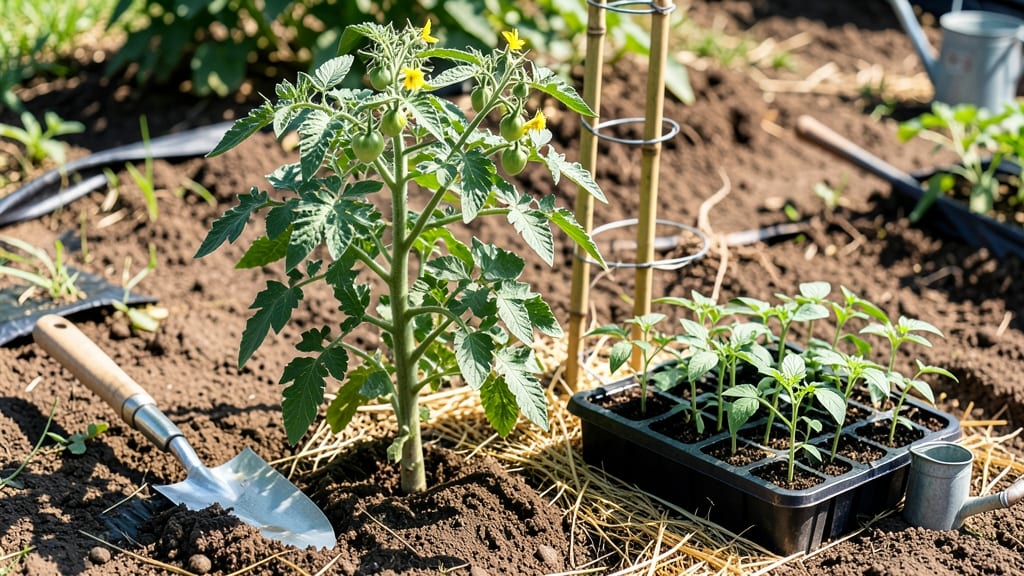
Timing when to plant fall tomatoes in Houston isn’t just about dropping seeds in the dirt—it’s about beating the clock to avoid frost wiping out your harvest.
With Houston’s Zone 9a climate, you’ve got a 6-week window before the first frost hits, and missing it means saying goodbye to your 🍅 dreams. The key? Planting between mid-August and early September to give your tomatoes time to mature before temperatures drop.
Why does this matter? Because Houston’s heat lingers longer than most places, and your tomatoes need cooler nights to set fruit—but not so cool they freeze. I’ve seen gardeners rush planting, only to watch their plants struggle in late-season heat or bolt too quickly.
The solution? A strategic approach that balances heat tolerance with frost preparedness, tailored just for Houston’s unique microclimates.
In this guide, I’ll break down the exact planting dates that work best, the varieties that thrive in Houston’s fall, and how to prep your soil for success.
Whether you’re a first-time gardener or a seasoned green thumb, these tips will help you grow juicy, homegrown tomatoes instead of empty vines. No more guesswork—just a foolproof plan to turn your Houston garden into a tomato powerhouse this fall. Ready to dig in?
You’ll also learn how to spot the signs of heat stress, when to fertilize for maximum yield, and how to protect your plants if an early frost sneaks in.
Houston’s fall tomato planting timeline: the 6-Week pre-frost rule explained
Houston’s Heat Zone 9B gives you a second chance at tomatoes—but timing is everything. The city’s average first frost hits around November 15, leaving you just 6 weeks to grow tomatoes from transplant to harvest. To maximize your yield, you’ll need to plant between mid-August and early September.
This window ensures your plants have 70-90 days to mature before cold snaps. Miss it, and you risk unripe fruit or stunted growth. Even in Houston’s mild winters, temperatures can dip below 32°F, killing tender tomato plants overnight.
Microclimates matter too. Urban areas like Downtown or Midtown may experience frost 1-2 weeks earlier than rural zones like Katy or Conroe. Adjust your planting date accordingly—rural gardeners might push to early October, while city dwellers should stick to late August.
Here’s the golden rule: Count backward from frost. If your frost date is Nov 15, transplant 6-8 weeks earlier (by Sept 28). For varieties needing 85 days to mature, start even sooner—by Aug 15.
| Stage | Action | Houston Timeline |
|---|---|---|
| Soil Prep | Test pH (6.0-6.8), add compost | July 15–Aug 1 |
| Transplant Seedlings | Hardened-off plants, 18" apart | Aug 15–Sept 1 |
| First Harvest | Ripe fruit, 70+ days after transplant | Oct 15–Nov 1 |
| Expected Frost | Protect plants if temps drop below 32°F | Nov 15–Dec 1 |
🌱 Note: Adjust dates 1-2 weeks earlier for urban areas, later for rural.
Your transplant date depends on seedling age. Buy 4-6 week old seedlings for an Aug 15 transplant, or start seeds indoors 6-8 weeks earlier if you’re growing from seed. Houston’s summer heat can stress young plants, so avoid transplanting during heatwaves above 95°F.
Pro tip: Use black plastic mulch to warm soil faster in early August. This extends your planting window by 1-2 weeks by keeping roots 60°F+. Just remove it if temps spike above 90°F to prevent root burn.
Don’t overlook succession planting. If you have space, sow a second batch of fast-maturing varieties like 'Early Girl' in early September. These can harvest as late as December before frost hits, giving you a double crop.
Finally, monitor local forecasts in late October. If a cold front is predicted, rush to harvest or cover plants with frost cloth. Even a light freeze (28°F) can damage leaves, but fruit often survives if protected.
With this timeline, you’ll beat Houston’s frost and enjoy homegrown tomatoes from your garden—no summer burnout required. 🍅
5 Critical factors that determine your exact planting date in Houston
Houston’s fall tomato success hinges on 5 key factors that dictate your exact planting window. Ignore these, and you risk stunted growth or early frost damage. Let’s break down what truly matters for your Heat Zone 9B garden.
First, soil temperature must reach 60°F+ before transplanting. Cool soil slows root establishment, leaving plants vulnerable to heat stress later. Use a soil thermometer—55°F is the absolute minimum, but 60°F+ ensures faster growth.
Next, seedling age at transplant makes or breaks your harvest. Aim for 6-8 week old seedlings with 4-6 true leaves. Younger plants struggle in Houston’s humidity, while overgrown seedlings waste energy adjusting to their new home.
Don’t overlook recent summer heatwaves. Houston’s late August can still hit 95°F+, which stresses young plants. If temps stay above 85°F for 3+ days, delay transplanting until nights dip below 80°F—usually mid-September.
Your microclimate matters. Urban Houston’s concrete jungle traps heat, while rural areas cool faster. If you’re in a heat island, plant 2 weeks later than rural neighbors. Test your spot with a shade thermometer for 3 days to gauge real conditions.
Finally, tomato variety maturity dictates your deadline. Fast-maturing ‘Heatmaster’ (60 days) can handle late starts, while ‘Celebrity’ (75 days) needs an earlier transplant. Match your variety to your 6-week pre-frost window—or risk unripe fruit.