
Flowers
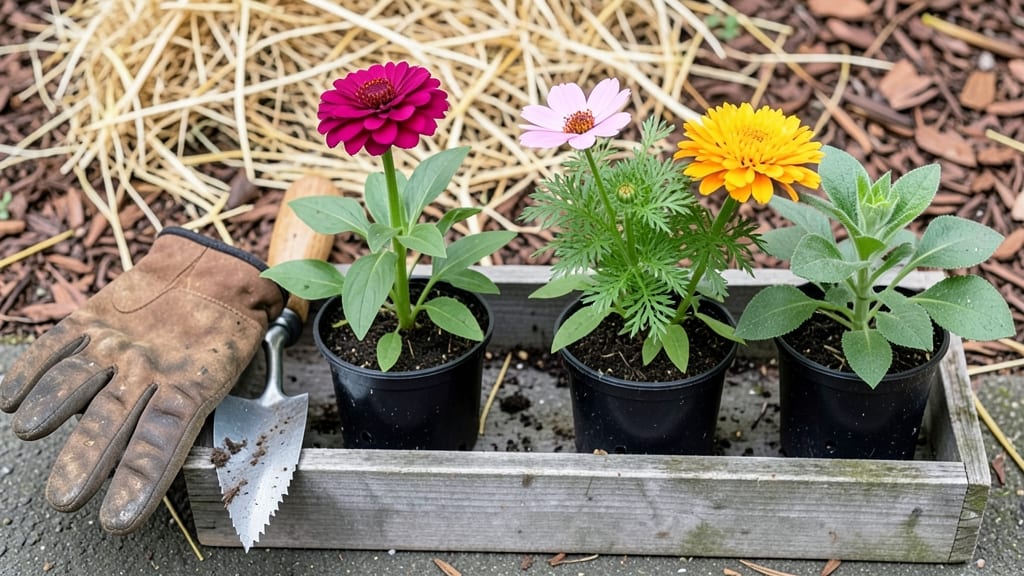
Planting fall flowers in Georgia at the wrong time can mean the difference between a vibrant garden and a frost-killed disappointment. With Georgia's varied climate zones—from the cooler mountains to the warmer coastal plains—your planting window isn’t one-size-fits-all.
But don’t worry: I’ll break down the exact dates and strategies to ensure your 🌸 blooms thrive until winter.
Whether you’re in North Georgia’s Zone 7b or South Georgia’s Zone 8b, timing is everything. Plant too early, and a surprise frost could wipe out your hard work. Too late, and your flowers might not have enough time to establish roots before the cold sets in.
The key is knowing your county’s frost-free deadlines and adjusting for microclimates—like urban heat islands or sheltered garden spots.
In this guide, you’ll discover the best fall flowers for Georgia’s climate, including fast-growing varieties like chrysanthemums and pansies that can handle late planting. I’ll also share pro tips for preparing your soil, adjusting for unpredictable weather, and even backup dates if frost warnings pop up.
No more guessing—just a foolproof plan for a stunning fall garden.
Ready to transform your yard into a burst of color? Let’s dive into the county-specific deadlines and care tips that’ll keep your fall flowers blooming until the first frost. Your garden’s fall glory starts with the right timing—and I’ve got you covered.
Georgia county planting zones: fall flower deadlines by climate region
Georgia’s three distinct climate regions mean your fall flower planting dates should align with your USDA zone and county. North Georgia’s Zone 7a (e.g., Fannin County) faces earlier frosts than South Georgia’s Zone 8b (e.g., Camden County).
I’ll break down the last safe planting dates for each region so you can avoid frost damage.
For North Georgia (Zone 7a), the first frost typically arrives by mid-October in higher elevations like Blue Ridge. Gardeners here should plant mums and asters by late August to ensure blooms before frost.
In Central Georgia (Zone 8a), like Athens or Macon, the window extends to early October for hardy varieties.
South Georgia (Zone 8b) has the longest season—Camden County gardeners can plant pansies and snapdragons until mid-October. But even here, a late-season frost can sneak in by November 15th, so timing is critical. Always check your local frost dates via the Georgia Climate Project for precision.
| Region | USDA Zone | Last Safe Planting Date | First Frost Window | Example Counties |
|---|---|---|---|---|
| North Georgia | 7a | Late August (Mums/Asters) | Mid-October | Fannin, Gilmer, Dawson |
| Central Georgia | 8a | Early October (Pansies) | Late October | Athens, Macon, Columbus |
| South Georgia | 8b | Mid-October (Snapdragons) | Mid-November | Camden, Lowndes, Thomas |
Your elevation matters too—mountain counties like Rabun (Zone 7a) may need to plant 2 weeks earlier than lowland areas in Bulloch County. Use the Georgia Automated Environmental Monitoring Network to track soil temperatures—ideal planting occurs when soil is 60°F+.
For container gardening, extend your season by 2-3 weeks—pots warm faster and can be moved indoors if frost threatens. Mums in pots often survive 28°F with mulch, while pansies tolerate 20°F. Always harden off seedlings by acclimating them outdoors for 7-10 days before planting.
Pro tip: Plant cool-season flowers like calendulas in early September—they thrive in 50°F soil and bloom until December. Pair them with kale or lettuce for a fall harvest + color combo. Just avoid tender annuals like marigolds after September 1st in North Georgia.
Check your local Cooperative Extension office for county-specific alerts. For example, Forsyth County often sees earlier frosts than Fulton County due to urban heat islands. Adjust your timeline by 1-2 weeks if you’re in a microclimate with warmer nights.
Remember: Soil prep is half the battle. Amend with compost to improve drainage—Georgia’s clay soil can suffocate roots if too compacted. Test your pH (6.0-7.0) and add lime or sulfur if needed. Mulch with straw after planting to retain moisture and insulate roots.
If you’re new to Georgia gardening, start with frost-hardy flowers like shasta daisies or black-eyed Susans. They’re forgiving and bloom reliably until first frost. For bold color, try coral bells (Heuchera)—they thrive in partial shade and handle light frosts beautifully.
🌸
Best fall flowers for Georgia’s climate: fast-growing varieties for late planting
Georgia’s fall garden thrives with frost-tolerant flowers that bloom reliably until the first frost. I’ve narrowed down the top 5 varieties that handle late planting beautifully, even if you’re working with tight deadlines.
These picks are chosen for their hardiness, fast growth, and ability to withstand Georgia’s humid fall conditions.
Start with chrysanthemums (mums), the queen of fall flowers. Available in hundreds of colors, mums bloom 60-90 days after planting, giving you plenty of time for vibrant displays. Plant them 8-10 weeks before frost—typically late August to early September in most of Georgia—for peak fall color.
They thrive in full sun to partial shade and tolerate light frosts, making them perfect for Georgia’s unpredictable weather.
Pansies are another winner, offering cheerful blooms that last until winter’s chill. These cool-season flowers germinate quickly and can be planted as late as October in South Georgia (Zone 8b), while North Georgia gardeners should aim for mid-September. Pansies love bright light but appreciate afternoon shade in hotter regions. Their disease resistance makes them low-maintenance, ideal for busy gardeners.
🌸 Top 5 Fall Flowers for Georgia
Plant: Late Aug–Early Sept | Frost Tolerance: 28°F | Sun Needs: Full sun–partial shade
Plant: Sept–Oct (Zone 8b) | Frost Tolerance: 20°F | Sun Needs: Full sun–partial shade
Plant: Early Sept–Mid-Oct | Frost Tolerance: 25°F | Sun Needs: Full sun
Plant: Late Aug–Early Sept | Frost Tolerance: 20°F | Sun Needs: Partial shade–full sun
Plant: Sept–Oct | Frost Tolerance: 15°F | Sun Needs: Full sun–partial shade
Don’t overlook snapdragons, which add vertical interest and bold colors to fall beds. These fast-growing annuals can be planted as late as mid-October in South Georgia, though they prefer cooler temperatures. For longer blooms, deadhead regularly and stake taller varieties to prevent flopping in humid conditions.
Asters are a Georgia native favorite that thrive in partial shade, making them ideal for woodland gardens or under trees. Plant them late August to early September for late-season blooms that attract pollinators. Their drought tolerance once established means less watering for you.
For low-maintenance ground cover, sweet alyssum is a game-changer. This fragrant annual blooms profusely until frost and can be sown directly in the garden as late as October.
It’s perfect for filling gaps in borders or spilling over container edges. Just remember: thin seedlings to avoid overcrowding, which can lead to powdery mildew in Georgia’s damp air.
Pro tip: Pair these fall flowers with ornamental grasses like maiden grass or feather reed grass for texture contrast. Mulch with 2-3 inches of shredded bark to insulate roots and retain moisture during Georgia’s unpredictable fall rains.
With these varieties, your garden will stay bursting with color well into winter.