
Plants
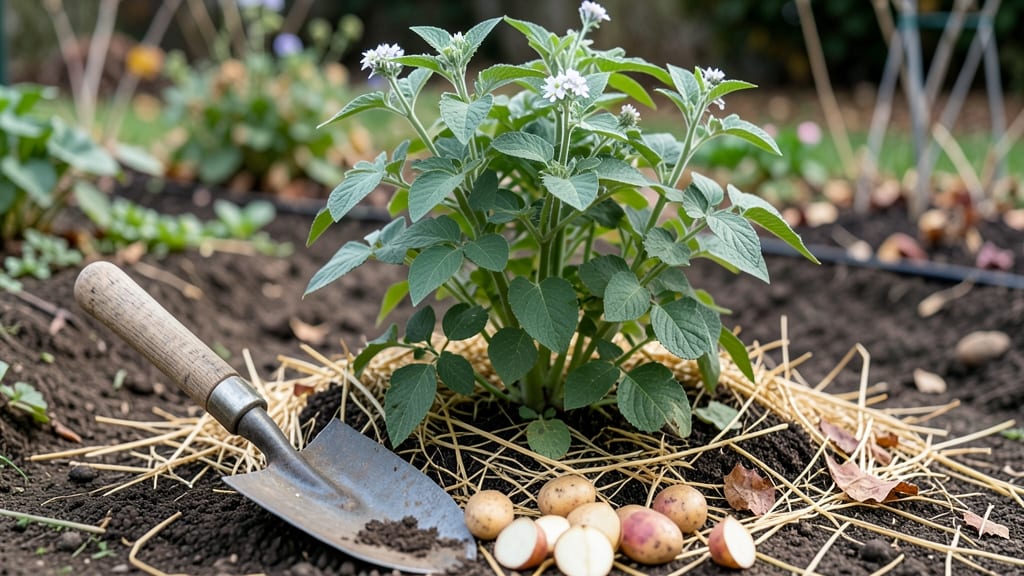
When to plant fall potatoes in Oklahoma could mean the difference between a bountiful harvest and a frost-killed crop. With the right chill-hour matching, you can turn your garden into a golden 🥔 treasure trove—but get it wrong, and you’ll miss the sweet spot entirely.
Oklahoma’s 7a-7b climate gives you a narrow window between August and September to plant, but knowing exactly when to start is the key. Plant too early, and your tubers won’t mature before the first frost in November.
Too late, and you’ll sacrifice yield. The secret lies in understanding your local chill hours and soil conditions.
I’ll walk you through the exact planting timeline, soil prep tips, and how to adjust for microclimates—so you can maximize your harvest from October through November. Whether you’re a seasoned gardener or just starting, these insights will help you grow potatoes that thrive in Oklahoma’s fall.
Ready to unlock the game-changer for your garden? Let’s dive into the perfect timing and techniques to make your fall potato patch a success.
Oklahoma’s fall potato planting timeline: chill-hours and frost dates
Timing your fall potato planting in Oklahoma hinges on two critical factors: chill-hour accumulation and first frost dates. Unlike spring potatoes, fall varieties rely on cooler temperatures to trigger tuber formation.
Oklahoma’s USDA zones 6b-8a mean your exact planting window varies by region—Oklahoma City (zone 7a) differs from Tulsa (zone 7b) or rural areas in western Oklahoma (zone 7b-8a).
Potatoes need 90-120 days to mature, but they thrive when nighttime temps drop below 70°F. Plant too early, and your tubers won’t develop fully before frost; too late, and they’ll struggle to establish roots.
The ideal window is mid-August to early September, but microclimates—like low-lying areas or urban heat islands—can shift this by 1-2 weeks.
Oklahoma’s average first frost date falls between November 1-15, depending on elevation. To ensure harvest, aim to plant 4-6 weeks before frost. For example, if your frost date is November 10, plant by September 25. Use your local Almanac frost calculator to refine your timeline.
Chill hours—temperatures below 60°F—are your secret weapon. Most potato varieties need 300-500 chill hours to bulk up. In Oklahoma City, chill hours typically accumulate by mid-October, while western Oklahoma may see them 2 weeks earlier.
Track your local chill hours using USDA climate data or a home weather station.
Regional adjustments are key. In southeastern Oklahoma (e.g., Muskogee), plant by August 15 to avoid early frosts. In north-central Oklahoma (e.g., Stillwater), extend planting to September 1 for later frosts. Rural areas with cooler microclimates may push planting to early September.
Don’t overlook soil temperature. Potatoes grow best in 50-70°F soil. Test your soil’s depth with a soil thermometer—if it’s above 75°F, wait a week before planting. In August’s heat, this might mean delaying until late August in western Oklahoma.
Here’s how to calculate your exact planting date: Subtract 90 days from your average first frost date, then adjust for your chill-hour zone. For instance, if frost hits November 5 and you’re in zone 7a, plant by August 6.
Add 1-2 weeks if your area has delayed chill accumulation.
| Region | USDA Zone | Ideal Planting Window | First Frost Date | Chill Hours Accumulated By |
|---|---|---|---|---|
| Oklahoma City | 7a | August 15 - September 1 | November 10 | Mid-October |
| Tulsa | 7b | August 20 - September 5 | November 5 | Late September |
| Western OK (e.g., Lawton) | 7b-8a | August 25 - September 10 | November 15 | Early October |
| Southeastern OK (e.g., Muskogee) | 7a | August 1 - August 15 | October 31 | Late October |
For urban gardeners, microclimates can dramatically alter your timeline. South-facing gardens or blacktop areas may stay warmer, delaying chill hours. Monitor your soil with a thermometer and adjust planting dates accordingly.
If your area runs hotter than average, opt for early-maturing varieties like Red Norland (90 days) to hedge your bets.
Late planting? No problem. If you miss the August-September window, try staggered planting in early October with
Step-by-step fall potato planting guide for Oklahoma gardens
Now that you’ve nailed down the ideal planting window for your Oklahoma garden, let’s dive into the hands-on steps to ensure your fall potatoes thrive. From soil prep to pest protection, these techniques are tailored to Oklahoma’s warm fall climate and short harvest window.
Start by selecting certified disease-free seed potatoes from local nurseries or reputable online sellers. Cut larger tubers into 2-inch chunks with at least two eyes each, and let them cure for 24 hours to prevent rot. This step is crucial for rapid sprouting in Oklahoma’s warm soil.
Soil preparation is your next priority. Oklahoma’s clay-heavy soils in many areas need amending with compost or aged manure to improve drainage. Aim for a pH between 5.0 and 6.5—test your soil with a kit from your local Cooperative Extension office. Work in 2-3 inches of compost and a balanced fertilizer (like 10-10-10) to give your potatoes a nutrient boost.
- Dig trenches 4-6 inches deep and 12-18 inches apart for rows.
- Place seed potatoes 12 inches apart in the trench, eyes facing up.
- Cover with 2-3 inches of soil and water gently.
- As plants grow to 6 inches tall, mound soil around stems to encourage tuber formation.
- Use straw or shredded leaves as mulch to retain moisture and regulate soil temperature.
- Avoid plastic mulch—it can overheat soil in Oklahoma’s fall warmth.
- Water deeply 2-3 times per week to keep soil consistently moist but not soggy.
- Apply a light nitrogen feed when plants flower to boost tuber growth.
- Stop watering 2 weeks before harvest to toughen skins.
- Watch for Colorado potato beetles—handpick adults and larvae early.
- Use row covers if late-season pests like aphids appear.
- Rotate crops next year to prevent soil-borne diseases.
Timing is critical for hilling, especially in Oklahoma’s variable fall weather. Hill soil when plants reach 6 inches tall, then again every 2-3 weeks until 2 weeks before harvest. This protects tubers from green skin (toxic solanine) and exposure to light, which turns potatoes bitter.
For urban gardeners with limited space, consider container growing. Use 5-gallon buckets with drainage holes and fill them with a mix of potting soil and compost. Plant one seed potato per container and hill soil as the plant grows.
Containers warm up faster in fall, so monitor soil temperature closely—it should stay between 50°F and 70°F for optimal growth.
Finally, keep an eye on the weather forecast as harvest nears. If a hard frost is predicted, cover plants with row fabric or blankets to protect them until you can harvest.
With these steps, your Oklahoma fall potato patch will yield plump, flavorful tubers just in time for holiday meals! 🥔