
How To
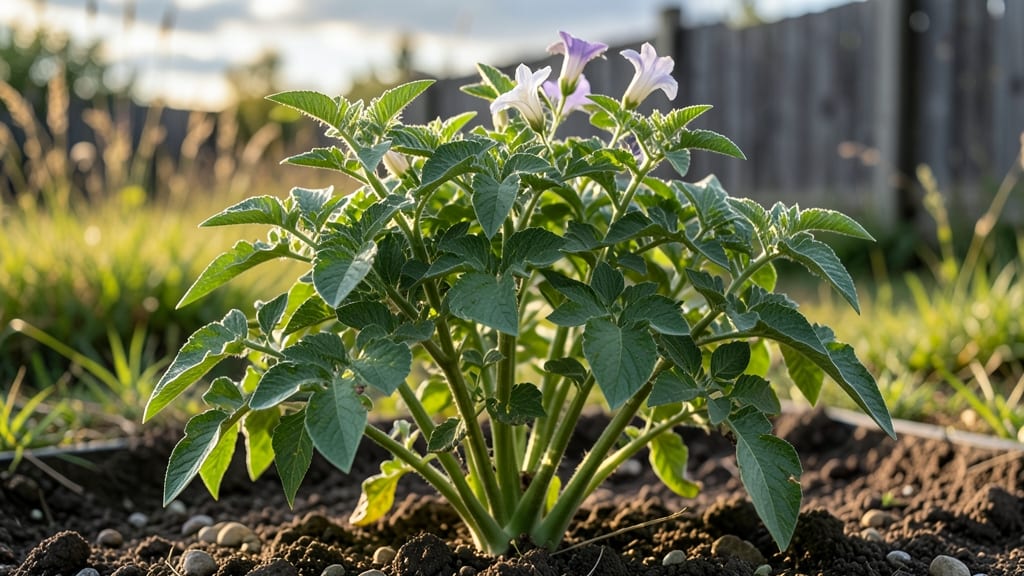
Ever wondered how tall a potato plant grows and whether your 🥔 vines are thriving the way they should? The height of your potato plants can actually tell you a lot about what’s happening underground—and whether you’re on track for a great harvest.
Most potato varieties reach between 1 and 3 feet tall, but some dwarf types stay as short as 6 inches, while sprawling varieties can stretch toward 3 feet or more. That foliage height isn’t just for show—it directly impacts how your tubers develop below the soil.
Let’s break down what’s normal, what’s not, and how you can guide your plants to grow just right for maximum yield.
If your potato plants seem too leggy or stunted, don’t panic—there are simple ways to adjust their growth.
Whether you’re dealing with compact varieties or towering vines, understanding the stages of potato plant development helps you time your harvest perfectly and avoid common mistakes that lead to small or misshapen potatoes.
Ready to turn your potato patch into a productive powerhouse? I’ll walk you through the key growth stages, variety-specific height ranges, and practical tips to ensure your plants grow strong—so you can dig up a bounty come harvest time.


Potato plant height by variety: from dwarf to giant vines
Potato plants typically reach heights between 12 to 36 inches, but the exact size depends entirely on the variety you're growing. Some compact types stay under 12 inches, while sprawling varieties can stretch over 3 feet—even taller if left unchecked.
Understanding these differences helps you plan your garden layout, choose trellising options, and avoid overcrowding that stunts tuber production.
For example, Red Pontiac potatoes grow 18-24 inches tall, making them perfect for small gardens, while Purple Majesty varieties can reach 30+ inches with lush, sprawling vines. Fingerling potatoes often stay 12-18 inches tall, while Russian Blue and Yukon Gold varieties typically hit 24-30 inches.
These differences impact spacing, support needs, and even how you harvest.
Here’s the key: Taller vines don’t always mean bigger potatoes. Some dwarf varieties produce high-yield tubers despite their short stature, while sprawling types may need staking or hilling to prevent disease and maximize harvest.
The secret lies in balancing foliage growth with tuber development—and knowing your variety’s tendencies makes all the difference.
If you’re short on space, dwarf varieties like Adirondack Blue (12-18 inches) or Sweetheart potatoes are ideal for containers or small gardens. These types thrive in 5-gallon buckets or raised beds, making them perfect for balconies or urban gardening.
Just remember: even compact varieties need 6+ hours of sunlight daily to prevent leggy growth.
For larger gardens, sprawling varieties like Kennebec or Katahdin (both 24-36 inches) benefit from hilling soil every 2-3 weeks. This technique—piling soil around the stems—encourages more tuber formation while controlling vine height. Without hilling, these types can become top-heavy, leading to floppy vines and reduced yields.
Pro tip: Early maturing varieties (like Early Girl) stay shorter (18-24 inches) and produce harvestable potatoes in just 60-70 days. If you’re in a short growing season, these are your best bet for avoiding overgrowth before the first frost. Late-season types, however
How to control potato plant height for healthier growth
Managing the height of your potato plants isn’t just about aesthetics—it’s about maximizing your harvest potential. Tall, leggy vines can shade tubers and reduce yield, while stunted growth may signal poor soil or pests.
The key is balancing foliage growth with tuber development by using proven techniques like pruning, trellising, and smart watering.
Most gardeners focus on vine height without realizing that the real prize—those golden potatoes—grows underground. Your goal should be to encourage strong, bushy plants that stop growing foliage just as tubers mature. This means controlling vertical growth while letting the roots flourish.
⚠️ Callout-Warning
⚠️ Common Mistake: Over-Pruning or Ignoring Vines
Pruning too aggressively can starve tubers of energy, while letting vines sprawl wastes space and blocks sunlight. Aim for a balanced approach—trim only when necessary, and never remove more than 1/3 of the plant at once.
🌱 Pro Tip: Stop watering 2 weeks before harvest to signal the plant to focus on tubers instead of foliage.
For compact varieties like Yukon Gold or Red Pontiac, minimal intervention is needed—they naturally stay under 2 feet tall. But for sprawling types like Purple Majesty, which can reach 3 feet, you’ll need to act early.
Start by planting in hills or using cage supports to guide vines upward, reducing the need for later pruning.
Another game-changer is hilling soil around the stems every 2–3 weeks. This buried stem grows new roots and tubers, while keeping the plant upright and sturdy. Just mound soil up to the lower leaves—never cover the top growth entirely, or you’ll smother the plant.
If your plants are already too leggy, don’t panic. Pinch off the top 2–3 inches of each vine to encourage bushier growth. This redirects energy to the lower stems and tubers.
Repeat this every 2–3 weeks until flowering begins, then stop—too much pruning after this stage can reduce tuber size.
Finally, watch for pests like Colorado potato beetles or diseases like blight, which can stress plants and cause erratic growth. Use row covers early in the season and remove infected leaves immediately.
Healthy plants grow predictably—so give yours the right conditions, and you’ll see those vines stop growing just as your potatoes reach perfection.