Planting
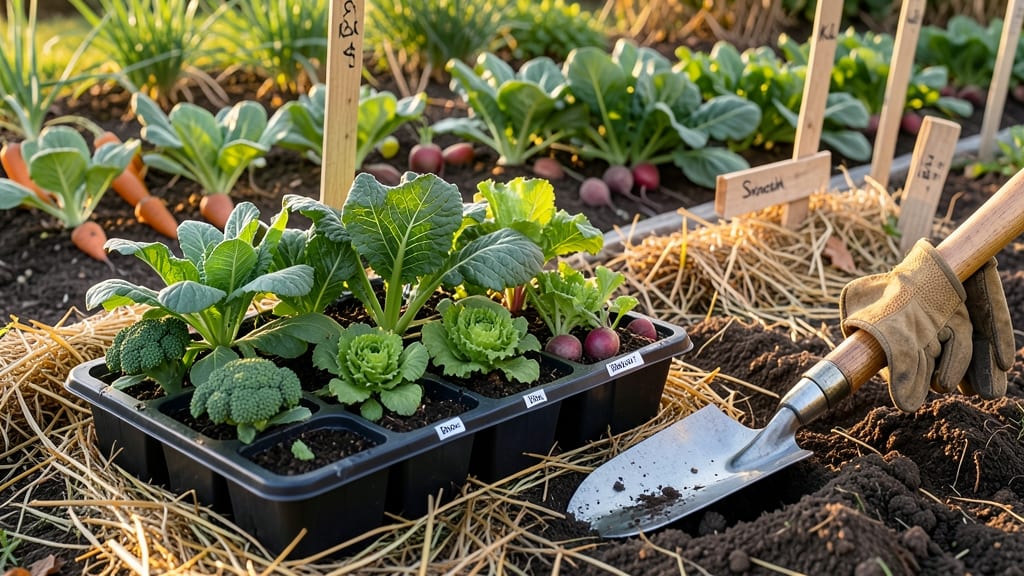
Timing when to plant a fall garden in NC could mean the difference between a bumper harvest and wasted seeds—because those late-July to early-September deadlines aren’t just suggestions, they’re your golden ticket to crisp greens and hearty roots before frost.
I’ve seen too many gardeners rush planting, only to watch their broccoli bolt in August heat or their carrots freeze before reaching maturity. The key? Understanding your Heat Zone 7b and how to work with NC’s unpredictable weather shifts.
Here’s the thing: you can’t just follow a generic calendar. In Raleigh, Charlotte, or Asheville, the first frost can arrive as early as mid-November or as late as December 1, depending on the year.
That means your 60-day kale or 30-day radishes need precise timing—plant too soon, and they’ll turn bitter in the heat; too late, and they’ll never mature. I’ll show you exactly how to calculate your last planting dates so you’re never left guessing.
What if you’re new to fall gardening? Don’t worry—I’ll break it down into simple steps, from soil prep to choosing the right crops for your region.
You’ll learn which vegetables thrive in NC’s 6b-8a zones (like broccoli and carrots) and how to stretch your harvest window with row covers or cold-hardy varieties. By the end, you’ll have a foolproof plan to turn your backyard into a fall feast—no more second-guessing, just confident planting.
Ready to beat the clock? Let’s dive into the exact dates, crop-by-crop strategies, and pro tips that’ll have your 🍂 fall garden vegetables flourishing when others are still dreaming of green thumbs. Your harvest starts now—no frost left behind.
NC heat zone 7b fall planting deadlines by crop type
North Carolina’s Heat Zone 7b offers a sweet spot for fall gardening—just 6-8 weeks before the first frost. But timing varies wildly between heat-tolerant crops (like okra and sweet potatoes) and cool-season favorites (kale, spinach).
Miss the window, and you’ll either bake your plants in summer heat or lose them to early frost. Here’s your crop-by-crop breakdown, tailored to NC’s average first frost dates (November 15 in Raleigh, December 1 in Charlotte, October 30 in Asheville).
For Raleigh and central NC, aim to plant late July to mid-September for most cool-season crops. In western NC (Asheville), cooler temps mean you can start 2-3 weeks earlier.
Meanwhile, Charlotte’s slightly warmer microclimate extends deadlines by 10-14 days. Use these guidelines to avoid the “too hot/too cold” trap that ruins harvests.
🌱 PRO TIP: Check your local NC State Extension frost dates yearly—they shift with climate change! For 2024, most of NC’s 7b zone has a first frost between October 25 and November 15. Count backward from that date to set your planting schedule.
| Crop Type | Last Planting Date (7b Zone) | Days to Maturity | Notes for NC |
|---|---|---|---|
| Heat-Tolerant Veggies | Late July – Early August | 60–90 days | Okra, sweet potatoes, black-eyed peas. Plant early to beat summer heat. |
| Cool-Season Greens | Mid-August – Mid-September | 30–60 days | Spinach, kale, lettuce. Avoid planting after September 15 in most of NC. |
| Root Vegetables | Late July – Early September | 50–80 days | Carrots, beets, radishes. Soil temps below 75°F improve sweetness. |
| Brassicas | Early August – Late August | 50–70 days | Broccoli, cabbage, Brussels sprouts. Start seeds indoors 6 weeks early for faster growth. |
| Flowers & Herbs | Late August – Early September | 45–90 days | Pansies, snapdragons, cilantro. Choose frost-hardy varieties like ‘Sweet 100’ cilantro. |
If you’re in Asheville or the mountains, shift your deadlines 2 weeks earlier—cooler temps mean faster maturation. For coastal NC (Zone 8a), extend deadlines by 10–14 days since frost arrives later. Always prioritize soil temperature over calendar dates: 60–70°F is ideal for cool-season crops.
For succession planting, sow fast-maturing crops like radishes (25 days) or bush beans (50 days) every 2 weeks until mid-September. This ensures a continuous harvest before frost. Pair heat-tolerant crops (like swiss chard) with cool-season plants (like spinach) in the same bed for year-round productivity.
One common mistake is planting tomatoes or peppers in fall—NC’s 7b zone gets too little light by September. Instead, focus on cold-hardy crops that thrive in 50–60°F temps. If you’re tempted to try late tomatoes, choose cherry varieties (like ‘Sweet Million’) and plant by August 1 for a small harvest.
Use a soil thermometer to verify readiness—cool-season crops need soil temps below 80°F. If your soil is still hotter than 85°F in early August, wait or use shade cloth to protect seedlings. Mulch with straw or leaves to cool the soil and retain moisture as temps drop.
For container gardening, plant cool-season crops by mid-August—containers cool faster than in-ground beds. Choose compact varieties like ‘Baby Leaf’ lettuce or ‘Tokyo Cross’ radishes to maximize space. Move
How to adjust planting dates for early or late frost years
North Carolina’s fall frost dates can shift unpredictably, throwing off even the most careful gardeners. I’ve learned the hard way—planting kale in early September one year meant a harvest, but the next year’s early frost turned it to mush by October. The key is flexibility, not rigid deadlines.
Start by checking your local frost dates. In NC’s Heat Zone 7b, the average first frost arrives around November 15**, but it can vary by 10-14 days depending on elevation and microclimates. For example, Asheville’s higher elevation often sees frost 2 weeks earlier than Raleigh.
Here’s my proactive strategy: I use a soil thermometer to track when temperatures drop below 50°F at night. Most cool-season crops like spinach and radishes need soil temps above 40°F to germinate, so I delay planting if the ground stays too cold.
For early frost years, focus on fast-maturing varieties. Swap out standard broccoli (60-80 days) for ‘Waltham 29’ (45-55 days) or ‘De Cicco’ radishes (25 days). These give you a harvest before frost sets in.
If frost is forecasted within 2 weeks, rush-plant cold-hardy crops like kale, collards, and garlic. These tolerate light frosts and may even sweeten afterward! Use row covers to buy 10-14 extra days.
In late frost years, extend your season with season extenders. I’ve had success with low tunnels (hoop houses covered with plastic) that add 4-6°F of warmth. For delicate plants like lettuce, a simple floating row cover can shield them from 28°F temps.
Don’t forget succession planting! Instead of planting all your radishes at once, stagger them every 2 weeks from August to early September. This ensures a steady harvest even if frost arrives early for some batches.
Finally, keep a garden journal to track your local frost patterns. Note when your first frost hits and adjust next year’s planting dates accordingly. Over time, you’ll build a customized schedule that outsmarts NC’s unpredictable weather.