
Plants
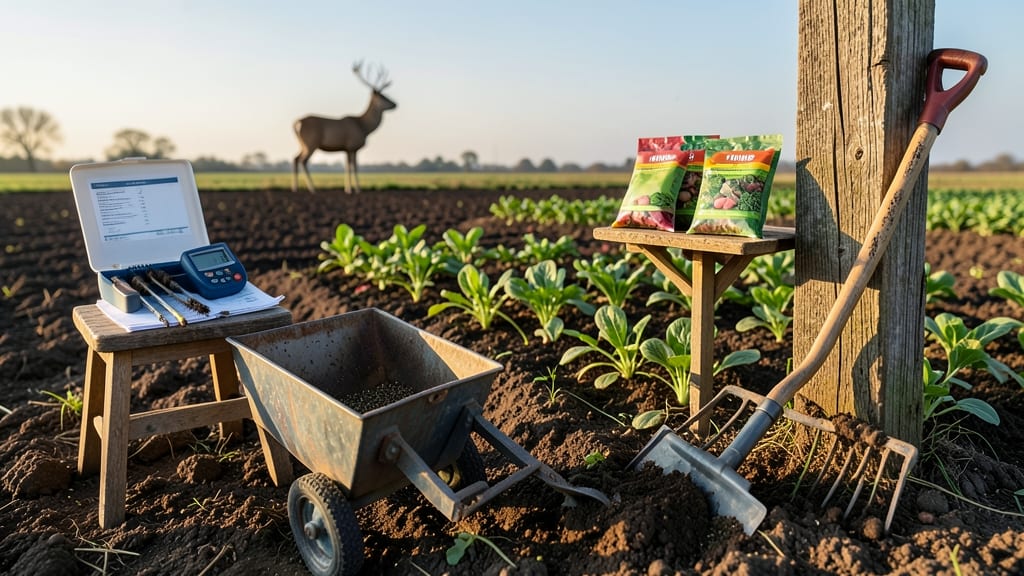
If you're planting fall food plots in Georgia, timing isn't just important—it's the difference between a lush, deer-attracting plot and a wasted investment.
The 7b-8b zone has specific deadlines that can make or break your success, and missing them means frost will cut your growth short before hunting season even starts.
Most Georgia hunters know the basics—plant in late summer—but the exact window matters more than you think. We're talking late July to early September, when soil temps are just right for fast germination, and plants have 60 days of growth before that first frost hits.
Get it wrong, and you'll end up with stunted plots that deer won't bother with.
What you'll discover here are the precise deadlines for your zone, plus the best crops to plant for fast deer attraction. We'll cover soil prep, microclimate adjustments, and even how to read Georgia's frost forecasts like a pro.
Let's make sure your food plots are thriving when the bucks are cruising.
The key is planting early enough for maximum growth, but not so early that weeds take over. With the right timing and a few pro tips, you'll have plots that deer can't resist—just in time for the hunting season. Ready to get started?
Georgia fall food plot planting deadlines by USDA Zone 7b/8a
Georgia's USDA Zones 7b and 8a offer a narrow window for planting fall food plots that thrive before frost. The ideal planting window spans from late July to early September, with critical deadlines tied to soil temperatures and frost dates.
In Zone 7b, the first frost typically arrives in mid-November, while Zone 8a sees frost slightly later, around late November. Planting too early risks summer heat stress, while late planting leaves insufficient growth before frost.
For brassicas (turnips, radishes, kale), aim to plant between August 15 and September 15—this ensures they reach peak maturity by October or November. Clover and alfalfa mixes should be sown slightly earlier, around July 20 to August 15, to establish roots before cooler weather sets in. Winter rye and cereal rye are more forgiving and can be planted as late as early October in Zone 8a, but earlier plantings yield better results.
Soil temperatures play a crucial role: seeds need 60-70°F soil temps to germinate properly. Use a soil thermometer to confirm readiness—cooler soils delay germination and weaken seedlings. In Zone 7b, soil temps drop below 60°F by early October, making late plantings risky.
Meanwhile, Zone 8a buys you an extra 2-3 weeks of warm soil before germination slows.
Microclimates within Georgia add complexity. Northern Georgia (Zone 7b) experiences earlier frosts, especially in higher elevations like the Blue Ridge Mountains. Adjust deadlines 1-2 weeks earlier in these areas.
Conversely, Southern Georgia (Zone 8a) near Savannah or Albany can extend planting by 10-14 days due to milder winters. Always check local Georgia Cooperative Extension frost maps for precise adjustments.
Here’s a quick reference for critical deadlines based on crop type and zone:
| Crop Type | Zone 7b Deadline | Zone 8a Deadline | Peak Growth Window |
|---|---|---|---|
| Brassicas (Turnips, Radishes, Kale) | August 15 – September 1 | August 20 – September 15 | October – November |
| Clover & Alfalfa Mixes | July 20 – August 15 | July 25 – August 20 | September – October |
| Winter Rye & Cereal Rye | August 1 – September 15 | August 10 – October 1 | October – December |
| Chicory & Forage Sorghum | July 10 – August 10 | July 15 – August 15 | August – October |
For maximum deer attraction, time your planting to ensure plots reach peak maturity 4-6 weeks before hunting season. In Georgia, this typically means aiming for mid-October growth, when deer are most active and food sources dwindle.
Use a planting calendar to track progress—brassicas grow fastest (30-45 days to maturity), while clovers take 60-90 days to establish a lush stand.
Adjust for soil preparation time: tilling or disking plots takes 1-2 weeks before planting.
If your soil is compacted or nutrient-poor, add compost or aged manure and test pH (aim for 6.0-7.0Phosphorus and potassium are critical for root development—apply a balanced fertilizer (10-20-10) 2-3 weeks before planting to give seeds a head start.
Pro tip: Plant in blocks, not rows, to mimic natural forage and attract deer more effectively. Use a no-till drill for precision and to preserve soil moisture. In drought-prone areas, mulch with straw or wood chips to retain moisture and regulate soil temperature.
Monitor plots weekly for pests like cutworms or flea beetles—early intervention prevents damage that could derail your hunting season.
Remember, Georgia’s fall weather is unpredictable. Keep an eye on 10-day forecasts and adjust planting dates if unseasonable cold is predicted. With the right timing, your food plots will be a deer magnet by October, ensuring a successful hunt. 🌾
Georgia fall food plot planting deadlines by USDA Zone 7b/8a
Georgia's USDA Zones 7b and 8a create a tight window for fall food plots—typically between late July and early September. Missing this window means either overgrown plots that lose deer appeal or frost-damaged seedlings before they establish.
The key is planting 4-6 weeks before your area's first frost, which usually hits around mid-November in most of Georgia.
For Zone 7b, aim to finish planting by August 15 to ensure plants mature before cold snaps. In Zone 8a, you have slightly more flexibility until early September, but don't delay past September 10—soil temperatures drop quickly, slowing germination.
Always check your local frost dates using the Georgia Cooperative Extension frost map for precision.
| Planting Window | Zone 7b Deadline | Zone 8a Deadline | Soil Temp Requirement |
|---|---|---|---|
| Brassicas (Turnips, Radishes, Kale) | August 1-15 | August 15-Sept 1 | 60°F+ |
| Clover Mixes (Crimson, White) | July 20-Aug 31 | July 30-Sept 5 | 65°F+ |
| Winter Rye/Cereal Rye | Aug 15-Sept 1 | Aug 20-Sept 10 | 55°F+ |
| Chicory & Forage Sorghum | July 15-Aug 10 | July 20-Aug 15 | 70°F+ |
Microclimates in Georgia add complexity—northern Georgia (Zone 7b) cools faster than southern Georgia (Zone 8a). If you're in the Appalachian foothills, plant 2 weeks earlier than the table suggests.
Conversely, coastal areas near Savannah or Brunswick can delay planting by 10-14 days without frost risk. Always scout your plot for low-lying areas, which frost hits first.
Soil temperature is just as critical as air temperature. Use a soil thermometer to confirm 60°F+ for brassicas and 65°F+ for clovers before planting. If your soil is cooler, wait—slow germination leads to weak seedlings that struggle in fall's chill.
Pro tip: Black plastic mulch can warm soil by 5-10°F if you're cutting it close to the deadline.
Don't ignore moisture levels during planting. Georgia's late summer droughts can dry out seeds before they sprout. Water deeply 24 hours before planting and again immediately after seeding. For large plots, consider a drip irrigation system to maintain consistent moisture without overwatering.
Once planted, monitor your plots for deer activity by October 1st. If you see browsing, your timing was perfect—they'll return daily for 30-45 days as long as the plots stay lush. Use game cameras to track usage and adjust fertilization if growth slows before frost.