
Plants
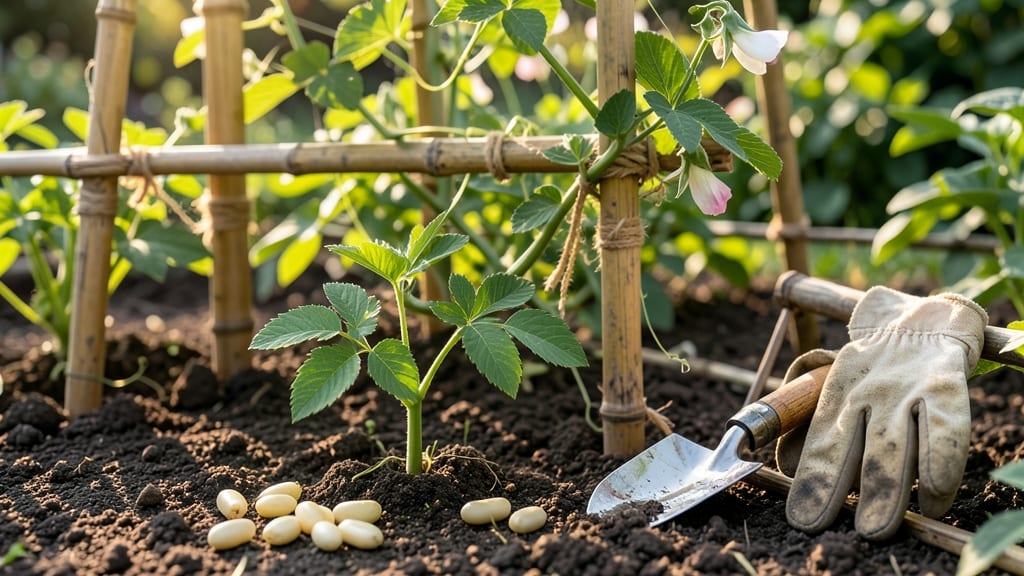
Knowing when to plant English peas in Zone 8 can mean the difference between a bountiful harvest and wasted effort. These sweet, tender pods thrive in cooler weather, but timing is everything—plant too early and frost zaps your crop, too late and summer heat stunts growth.
For gardeners in Zone 8, where mild winters and long growing seasons create unique challenges, mastering the perfect window ensures your 🌱 English peas flourish.
Most gardeners in Zone 8 focus on late winter to early spring planting, but regional microclimates can shift those dates by weeks. Coastal areas with cooler temperatures might start as early as February, while inland zones with warmer soils may wait until March.
The key is planting 4-6 weeks before your last frost date—typically around mid-February—to give your peas time to establish roots without bolting too quickly.
Don’t overlook fall planting either! In Zone 8, a second crop in early fall can extend your harvest season. By planting in late summer, you’ll catch the cooler temperatures of September and October, avoiding the intense heat that stresses peas.
Just be prepared to harvest before the first frost, usually around mid-November, to enjoy sweet pods all season long.
Whether you're a seasoned gardener or just starting, getting the timing right is the most important step for success. With the right preparation—soil temperature checks, companion planting, and frost awareness—you’ll be enjoying homegrown English peas in no time. Let’s dive into the perfect planting schedule for your Zone 8 garden.

Best planting windows for English peas in Zone 8 (with frost & heat guidelines)
English peas (Pisum sativum) thrive in Zone 8’s mild winters, but timing is critical to avoid frost damage or summer bolting. The ideal window spans late winter to early spring, with a secondary fall planting for a second harvest.
In Zone 8, where last frosts average February 15, aim to plant 4-6 weeks before this date for optimal growth.
Peas prefer cool soil temperatures (40-75°F), so avoid planting when ground temps drop below 40°F. In inland Zone 8 areas, this means starting seeds indoors by mid-January or direct-sowing by late February. Coastal regions with milder microclimates can plant 2-3 weeks earlier without frost risk.
For a second harvest, try an early fall planting in late August—peas mature quickly (60-70 days) and can produce pods before winter sets in. This works best in higher-elevation Zone 8 areas where nights cool faster.
🌱
| Planting Window | Key Considerations | Best Varieties |
|---|---|---|
| Late Winter (Feb) | Soil temp ≥40°F; avoid waterlogged ground | Sugar Snap, Lincoln |
| Early Spring (Mar-Apr) | Peak growth; 6-8 hrs sun daily | Oregon Sugar Pod, Green Arrow |
| Early Fall (Aug) | Fast-maturing; harvest before frost | Little Marvel, Tom Thumb |
🌿 Key Takeaway: Plant peas 4-6 weeks before last frost for spring harvests or 8 weeks before first frost for fall crops.
Zone 8’s summer heat (above 80°F) stresses peas, causing bolting (premature flowering). To extend the season, use shade cloth (30-50%) during peak afternoon sun or choose heat-tolerant varieties like ‘Oregon Sugar Pod’, which handles 85°F better than standard types.
For container growing, start seeds in 4-inch pots by mid-January and transplant after last frost. Dwarf varieties like ‘Tom Thumb’ thrive in containers, producing pods 55-60 days after sowing—ideal for patios or balconies.
Always soak seeds overnight before planting to improve germination rates. In Zone 8’s dry spells, mulch with straw to retain moisture and prevent soil crusting, which can suffocate young seedlings.
💧
Pro tip: Mark your last frost date on a calendar and count backward 60 days (peas’ average maturity). This ensures you’re planting at the perfect time for a continuous harvest from late spring through early summer.
✂️
Best planting windows for English peas in Zone 8 (with frost & heat guidelines)
English peas thrive in cool weather, making timing critical in Zone 8. The ideal planting window is 4-6 weeks before your last frost date, typically mid-February to early March. This ensures peas mature before summer heat arrives, which can cause bolting or poor pod development.
Zone 8’s last frost date usually falls around February 15, but this varies by microclimate. For example, coastal areas may have earlier last frosts (late January), while inland desert regions might see later frosts (early March). Always check your local frost dates for precision.
| Planting Window | Key Considerations | Harvest Time |
|---|---|---|
| Late Winter (Feb 15–Mar 15) | Soil temp: 40–50°F; avoid waterlogged soil | Late April–June |
| Early Spring (Mar 1–Apr 15) | Peak yield; 6–8 hours sun daily | May–July |
| Fall Succession (Aug–Sep) | Cool fall nights (<60°F); harvest before first frost | Oct–Nov |
For a second harvest, try fall succession planting in August or September. This works best in Zone 8’s cooler fall months, where nights drop below 60°F by October. Choose early-maturing varieties (e.g., 'Sugar Snap' or 'Little Marvel') to finish before frost.
Heat stress is the biggest enemy of English peas. Temperatures above 80°F for prolonged periods cause flower drop and poor pod set. If planting in late spring, opt for shade-climbing varieties or use row covers to keep plants cooler.
Pro tip: Soil temperature matters more than air temperature. Peas germinate best in soil between 40–50°F. Use a soil thermometer to confirm readiness—cold, wet soil delays germination and invites rot diseases like fusarium.
Don’t miss your window: Peas planted after mid-April in Zone 8 often struggle with heat exhaustion. Plan ahead by starting seeds indoors 6–8 weeks before transplanting, or use cold frames for earlier outdoor sowing.