Companion Plants
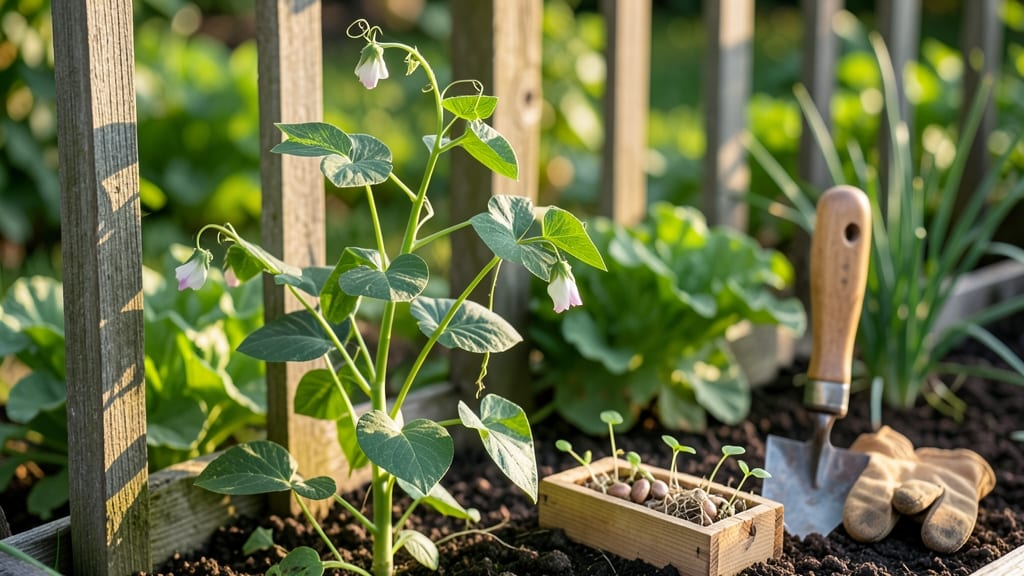
Timing your pea planting in Zone 6 can mean the difference between a thriving garden and wasted seeds.
These cool-season legumes are eager to sprout as soon as soil temperatures dip into the 40-50°F range—typically 4-6 weeks before your last frost date, which for most of Zone 6 lands in mid-April.
But here's the catch: planting too early when the ground is still frozen or too late when warmth arrives can leave you with weak seedlings or bolting plants.
I'll walk you through the exact windows—both spring and fall—that work best in your region, plus how to adjust for those tricky northern vs. southern Zone 6 variations.
You'll also discover how to prep your soil for peak germination and when to reach for that trellis. Whether you're a first-time gardener or a seasoned grower, these insights will help you grow healthier, more productive peas with minimal fuss.
Let's get your peas in the ground at the perfect moment—so you can enjoy that first sweet snap pea harvest by May or October, depending on your planting strategy.

Peas planting timeline in Zone 6: weeks before last frost for optimal germination
Peas thrive in cool temperatures, making them perfect for early spring planting in Zone 6. The ideal window is 4-6 weeks before your last frost date, typically between late February and early April, depending on your exact location within the zone.
For most of Zone 6, this means starting seeds indoors in March or directly sowing outdoors in early April.
Zone 6’s last frost typically falls around mid-April, but this can vary by 1-2 weeks depending on whether you're in the northern or southern part of the zone. Check your local USDA frost map or use a frost calendar for precise timing.
Planting too early when soil is still cold or frozen can delay germination or cause seed rot.
For a second harvest, you can also plant peas in late summer (August), about 8-10 weeks before your first frost (usually mid-October). This fall crop matures quickly before cooler weather sets in, giving you a late-season harvest.
| Planting Stage | Timeframe (Zone 6) | Soil Temp | Key Notes |
|---|---|---|---|
| Early Spring (Indoor Start) | Late February - Early March | N/A (Indoor) | Start seeds 4-6 weeks before last frost for transplanting. |
| Direct Outdoor Sowing | Early April (4-6 weeks before last frost) | 40-50°F (4-10°C) | Soil should be workable but not frozen. Use row covers for frost protection. |
| Fall Planting | Late August (8-10 weeks before first frost) | 50-60°F (10-15°C) | Choose fast-maturing varieties like Sugar Snap or Little Marvel. |
| Soil Prep | 2-3 Weeks Before Planting | N/A | Amend soil with compost and a balanced fertilizer (5-10-10). |
Peas germinate best when soil temperatures are between 40-50°F (4-10°C). If you plant too early and soil is below 40°F, germination slows dramatically.
Use a soil thermometer to check—if temps are consistently below 40°F, wait another 1-2 weeks or use black plastic mulch to warm the soil faster.
For climbing varieties like Sugar Snap or Oregon Sugar Pod, install trellises or stakes at planting time to save space and improve air circulation. Bush varieties like Little Marvel don’t need support but benefit from 1-2 inches of compost worked into the soil before planting.
If your last frost date is earlier than mid-April (common in northern Zone 6), start seeds indoors in late February for an earlier harvest. For southern Zone 6, you may even plant as early as late February outdoors if soil isn’t frozen.
Always monitor weather forecasts for unexpected late frosts.
Peas are fast growers, with most varieties ready to harvest in 60-75 days. Spring-planted peas typically mature by late May to June, while fall crops are ready by October. Succession plant every 2 weeks for a continuous harvest, especially if you’re growing multiple varieties.
One pro tip: Soak pea seeds overnight before planting to speed up germination. This is especially helpful if you’re planting in cooler soil or using slow-germinating varieties. Just place seeds in a bowl of lukewarm water for 8-12 hours before sowing.
Finally, avoid planting peas in the same spot every year—they’re legumes and fix nitrogen in the soil, but continuous planting can lead to disease buildup. Rotate with heavy feeders like corn or potatoes the following year.
Peas planting timeline in Zone 6: weeks before last frost for optimal germination
Peas thrive in Zone 6's cool springs, but planting them 4-6 weeks before your last frost date ensures strong germination.
In most of Zone 6, this window falls between late February and early April, depending on your exact location—Northern areas like Chicago should wait until March 15, while Southern areas like Nashville can start as early as February 20.
The key is soil temperature: peas germinate best when soil reaches 40-50°F, which typically happens after the ground thaws.
For a continuous harvest, consider successive plantings every 2 weeks through early May. This staggered approach works because peas mature quickly—most varieties produce edible pods in just 60-75 days.
Fall planting is also possible in Zone 6, with seeds sown 8-10 weeks before your first frost (usually late August to early September) for a late-season harvest.
🌱
| Planting Stage | Zone 6 Timeline | Soil Temp Requirement | Key Notes |
|---|---|---|---|
| Early Spring Planting | 4-6 weeks before last frost (Late Feb - Early Apr) | 40-50°F | Use cold-hardy varieties like Lincoln or Wando. |
| Main Spring Planting | 2-4 weeks before last frost (Mid-Mar - Late Apr) | 50-60°F | Ideal for most varieties; provides longest harvest window. |
| Fall Planting | 8-10 weeks before first frost (Late Aug - Early Sep) | 50-60°F | Choose fast-maturing varieties like Sugar Snap. |
To find your exact last frost date, check the USDA Plant Hardiness Zone Map or consult your local Cooperative Extension Service. In Zone 6, the average last frost date ranges from April 15 in the north to March 20 in the south.
Planting too early—when soil is still cold or wet—can lead to rot or poor germination, while waiting too long may result in bolting (premature flowering) due to heat stress.
For best results, prepare your soil by adding compost or aged manure in the fall before planting. Peas fix their own nitrogen, so they don’t need heavy fertilization, but a light application of 5-10-10 fertilizer at planting time can boost early growth.
Always plant seeds 1-2 inches deep and provide trellis support for climbing varieties to maximize space and airflow.
If you’re unsure about your local frost dates, use a simple trick: plant a few peas 2 weeks early in a protected microclimate (like near a south-facing wall) to test soil conditions.
Cover young plants with frost blankets if a late frost threatens—this can extend your growing season by 2-3 weeks without risking damage.
🌿