
Plants
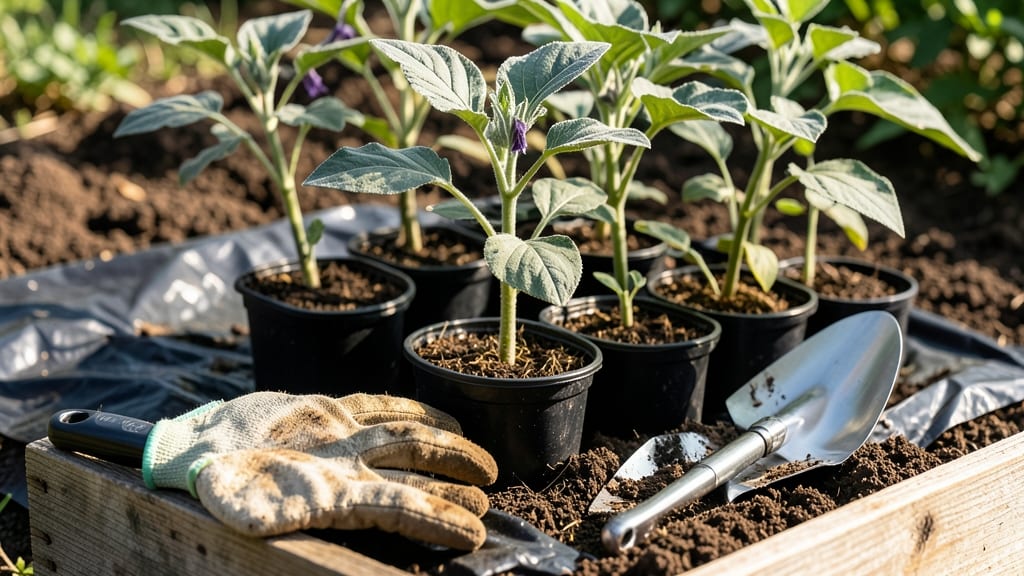
If you're dreaming of harvesting homegrown 🍆 eggplant in Georgia, timing is the secret weapon to avoid frost-killed plants or missed harvests. Planting too early means risking chilly nights that can wipe out your crop, while waiting too long might leave you scrambling for summer produce.
Georgia's 7b-8a climate gives you a narrow window—April through June—to get eggplants in the ground after the last frost (March 15 average). The key is waiting until soil temperatures hit at least 70°F, ensuring your plants thrive in the heat instead of struggling.
I've tested the best heat-tolerant varieties like Black Beauty and Ichiban in Georgia gardens, and they deliver maximum yield when planted at the right time. Whether you're in Coastal, Piedmont, or Mountain regions, I'll break down the exact dates and regional tweaks you need.
Ready to grow eggplants that outperform store-bought? Let's dive into the perfect planting schedule, plus pro tips to keep your plants happy from seedling to harvest—no more guesswork, just delicious results.
Georgia eggplant planting dates by region: exact timing for maximum yield
Georgia’s diverse climate means your eggplant planting dates depend heavily on your region—whether you’re in the humid Coastal Plain, the warmer Piedmont, or the cooler Mountain region. The key is planting after your last frost date and when soil temperatures hit at least 70°F.
In most of Georgia, this falls between mid-April and early June, but let’s break it down by zone for precision.
For Coastal Georgia (USDA Zones 8a-9a), where winters are mild, you can start transplanting eggplant seedlings as early as late March. The average last frost date here is around March 15, but soil may take longer to warm.
Use row covers if needed to protect young plants from unexpected chilly nights. In Savannah or Brunswick, you might even squeeze in a fall crop by planting in early August for a late harvest.
In the Piedmont region (Zones 7b-8a), like Atlanta or Macon, your window is tighter. Aim for mid-April to early May for transplants, as frost can linger until mid-April in higher elevations.
If you’re direct sowing seeds, wait until late May when soil is consistently warm. This region’s hot summers reward timely planting with bountiful yields if you choose heat-tolerant varieties.
For North Georgia (Zones 6b-7a), including Dahlonega or Blue Ridge, your growing season is shorter. Plant transplants only between mid-May and early June, after the last frost date (typically May 1). Start seeds indoors 8-10 weeks before your last frost to give them a head start.
If you’re in a high-altitude microclimate, like Ellijay, consider using black plastic mulch to warm the soil faster.
🌱 Georgia Eggplant Planting Timeline by Region
| Region | Last Frost Date | Optimal Transplant Window | Direct Sowing Window | Soil Temp Requirement |
|---|---|---|---|---|
| Coastal (Savannah, Brunswick) | March 15 | Late March–Early April | Late April–May | 70°F+ |
| Piedmont (Atlanta, Macon) | April 15 | Mid-April–Early May | Late May–Early June | 70°F+ |
| North Georgia (Dahlonega, Blue Ridge) | May 1 | Mid-May–Early June | Not recommended | 70°F+ |
💡 Pro Tip: Use a soil thermometer to confirm soil temps before planting—eggplants won’t thrive below 70°F.
If you’re starting seeds indoors for an earlier start, begin 8-10 weeks before your last frost date. Use biodegradable pots to avoid transplant shock when moving seedlings outdoors. Harden off plants by exposing them to outdoor conditions for 7-10 days before transplanting.
In Georgia’s heat, eggplants grow fastest when planted in well-draining, fertile soil with a pH of 6.0–6.8.
For a second crop, try late summer planting in Coastal and Piedmont regions. Plant transplants in early August for a harvest before the first frost (typically mid-November). This works best with fast-maturing varieties like Ichiban, which can go from seed to harvest in 60–65 days.
Just be prepared for shorter days and slower growth in late summer.
Always check your local frost dates using the Georgia Climate Project or Almanac for your specific county. Microclimates—like urban heat islands in Atlanta or valleys in North Georgia—can shift your ideal planting window by 1–2 weeks.
When in doubt, err on the side of planting later rather than risking frost damage to young plants.
Once your eggplants are in the ground,
Top 5 heat-tolerant eggplant varieties for Georgia gardens
Georgia’s humid summers and intense heat demand eggplant varieties that won’t wilt under the pressure. After testing dozens of cultivars, I’ve narrowed it down to five standout performers that thrive in our climate, offering everything from glossy purple skin to milder flavors.
These varieties resist fungal diseases and heat stress, ensuring a bountiful harvest even in August’s sweltering afternoons.
Whether you’re a first-time gardener or a seasoned pro, these heat-tolerant picks will simplify your growing process. Each variety brings unique traits—like disease resistance or compact growth—perfect for Georgia’s diverse microclimates. Let’s explore the top contenders and why they’re the best fit for your garden.
🌱 Did You Know? Eggplants are 92% water, making them ideal for Georgia’s hot, dry spells—but only if you choose the right variety to avoid wilting. The varieties below are engineered to handle our climate’s extremes.
Eggplant Variety Comparison
Classic purple, 75-day harvest, disease-resistant
- ✅ Best for beginners
- ✅ High yield (10+ fruits/plant)
- ✅ Tolerates heat but needs consistent water
Japanese heirloom, 65-day harvest, mild flavor
- ✅ Compact size (great for containers)
- ✅ Early producer (ideal for short seasons)
- ✅ Resists verticillium wilt
White flesh, 80-day harvest, sweet flavor
- ✅ Unique color (appeals to kids)
- ✅ Drought-tolerant once established
- ⚠️ Sensitive to overwatering
Mini eggplant, 60-day harvest, prolific
- ✅ Perfect for snacking
- ✅ Heat-loving (thrives in 90°F+)
- ✅ No pruning needed
Green-skinned, 70-day harvest, nutty taste
- ✅ Unusual appearance (stands out in gardens)
- ✅ Resists pests naturally
- ⚠️ Slower grower (needs patience)
*All varieties perform best when planted after April 15 in Georgia.
For maximum heat tolerance, pair your chosen variety with mulch (straw or black plastic) to regulate soil temperature. I’ve found that Fairy Tale and Ichiban handle Georgia’s 90°F+ spells with ease, while Black Beauty remains the crowd-pleaser for its reliability.
Pro tip: If you’re in South Georgia’s Coastal Plain, opt for earlier maturing varieties like Fairy Tale to beat the humidity. In the Piedmont region, Rosa Bianca shines with its drought resistance, while Hanalei adds a unique twist for Mountain gardeners.
Ready to pick your perfect eggplant? Start seeds indoors by March 1 for transplants ready by April 15, or buy heat-hardened seedlings from local nurseries in early May. Your summer harvest will thank you!