
Plants
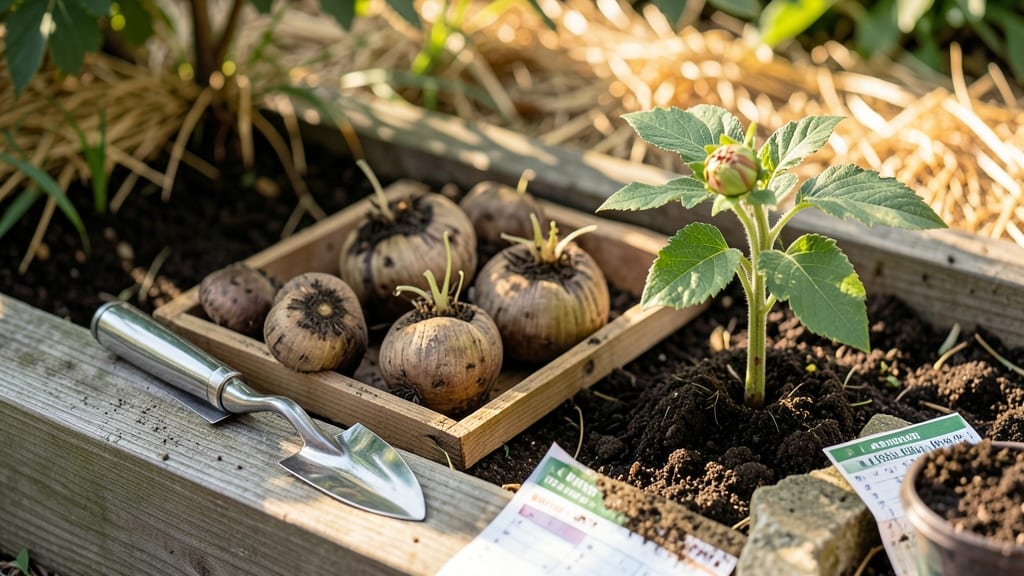
Timing your dahlia planting in Kentucky could mean the difference between a showstopping summer garden and a season of disappointment. These stunning 🌼 blooms need warmth to thrive, and Kentucky’s unpredictable spring weather makes getting it right absolutely critical.
You’ve probably heard that dahlias love heat, but here’s the catch: planting them too early—before soil warms to 60°F—can lead to rot, while waiting too long might shorten your bloom time.
With USDA zones 6a-7b throwing curveballs like late frosts (often around April 1), knowing exactly when to plant is your secret weapon.
I’ll walk you through the ideal window—April 15 to May 15—plus how to prep your soil, spot early signs of trouble, and even extend your growing season with simple tricks.
Whether you’re a first-time gardener or a seasoned pro, these insights will help you avoid common Kentucky mistakes and get those dahlias off to a flying start.
Ready to transform your garden into a bold, blooming masterpiece? Let’s dive into the exact steps that’ll have your dahlias thriving from July through October—no guesswork required.
Best planting dates for dahlias in Kentucky based on soil temperature
Kentucky’s USDA Zones 6a-7b create a Goldilocks zone for dahlias—just right for dramatic blooms if you time it perfectly. But soil temperature, not just air temperature, determines success.
Dahlias need consistent soil temps above 55°F to thrive, and Kentucky’s Bluegrass Region often warms faster than the Pennyrile area in western Kentucky.
Most Kentucky gardeners aim to plant after the last spring frost, typically between mid-April and mid-May. However, this varies by microclimate. For example, Lexington and Louisville usually hit ideal soil temps by April 15, while Paducah may wait until May 1.
Always check your local frost-free date—a late frost can devastate tender dahlia tubers.
Here’s how to test your soil’s readiness: Stick a soil thermometer 3 inches deep in the ground on a sunny afternoon. If it reads 60°F or warmer, your dahlias are ready to go in. Cooler soil slows root growth, leaving plants vulnerable to rot.
Pro tip: Black plastic mulch can warm soil by 10°F in just a few days!
For fall planting, Kentucky gardeners can extend the season by planting tubers in late August to early September. This gives dahlias time to establish roots before winter. Just be sure to mulch heavily with straw or leaves to protect them from early frosts in October.
If you’re eager to start early, consider chitting tubers indoors 4-6 weeks before your target planting date. Place tubers in a bright, cool spot (60-65°F) with the eyes facing up.
Once sprouts reach 3-4 inches, they’re ready to transplant. This head start can mean earlier blooms and a longer season!
Remember, Kentucky’s unpredictable spring weather can throw off even the best-laid plans. Always have a backup date in mind—if frost threatens, cover young plants with frost cloth or move potted dahlias to a sheltered spot.
| Region | Ideal Planting Window | Soil Temp Threshold | Notes |
|---|---|---|---|
| Bluegrass Region (Lexington, Louisville) | April 15 - May 1 | 60°F+ | Warmer microclimate; plant early |
| Western KY (Paducah, Bowling Green) | May 1 - May 15 | 58°F+ | Cooler soils; wait for consistency |
| Fall Planting (Statewide) | August 20 - September 10 | 60°F+ | Extend season with mulch |
| Chitting Tubers (Indoors) | March 15 - April 15 | 60-65°F | Sprout tubers for earlier planting |
When planting, dig a hole 4-6 inches deep and space tubers 12-18 inches apart, depending on the variety size. Larger dahlias need more space to avoid competition. Mix in compost or aged manure to enrich the soil—dahlias are heavy feeders and reward you with bold blooms when happy.
After planting, water deeply to settle the soil and encourage root growth. Avoid overhead watering, which can spread fungal diseases like powdery mildew. Instead, use a soaker hose or water at the base of the plant. Mulch with straw or shredded leaves to retain moisture and regulate soil temperature.
Finally, mark your planting date on a calendar and set reminders for fertilizing every 4-6 weeks once growth starts. Dahlias thrive with a balanced fertilizer (5-10-10), but avoid over-fertilizing, which can lead to leafy growth at the expense of flowers.
With the right timing and care, your Kentucky garden will soon be a dahlia paradise!
🌼
Kentucky frost-free calendar: how to time dahlias for maximum blooms
Kentucky’s USDA Zones 6a-7b mean your last frost date can vary dramatically—from mid-March in southern regions like Bowling Green to early May in northern areas like Paducah. For dahlias, this means your planting window shifts by weeks depending on location.
Using the frost-free calendar ensures your tubers don’t rot in cold soil or bloom too late for fall enjoyment.
Most Kentucky gardeners aim to plant dahlias 2-3 weeks after the last frost, but soil temperature is the real game-changer. Dahlias thrive when soil hits 60°F+, which often lags behind air temperature.
Check your local Almanac’s frost dates—Louisville averages April 15, while Lexington leans toward April 20. For earlier blooms, extend your season with row covers or cold frames to protect young plants.
Here’s how to align your planting with Kentucky’s frost-free timeline for bold, long-lasting blooms:
Pro tip: Use frost cloth or mini greenhouses to plant 1-2 weeks earlier in Zone 6a areas. This gives dahlias a 4-6 week head start on blooming, extending your seasonal display. Just remove covers when soil warms to 60°F to avoid overheating.
For container growing, start tubers indoors in March and transplant into pots by May 1. Containers warm faster than soil, so you can push the envelope on earlier planting without risk. Just ensure pots have drainage holes to prevent rot.
Remember: Dahlias planted after May 15 may not reach full maturity before frost. If you love late-season blooms, fall planting in September is your best bet—just choose disease-resistant varieties like ‘Karma Choc’ or ‘Bishop’ for cooler weather.