
Plants
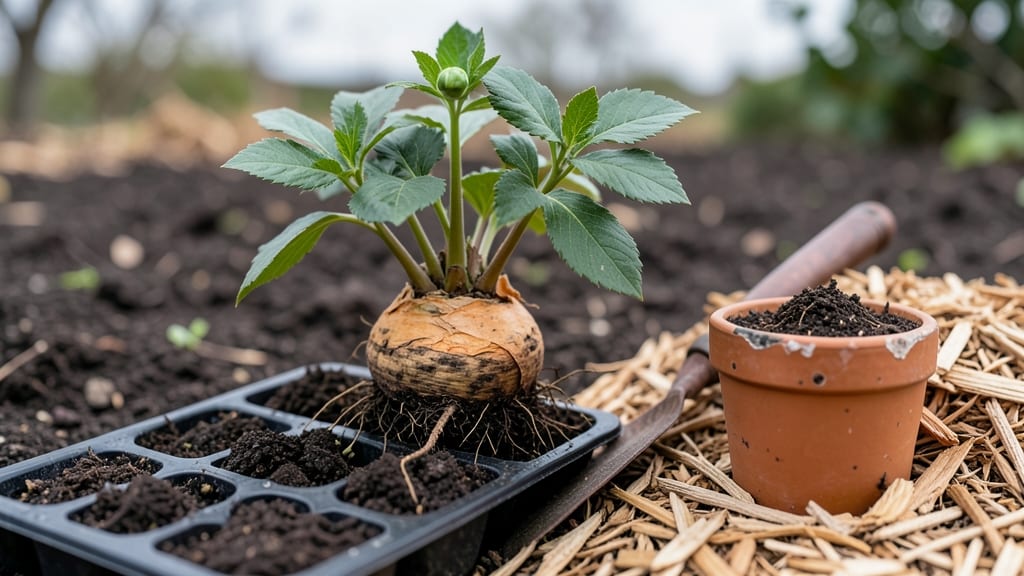
Timing your dahlia 🌼 planting in New Zealand isn’t just about the calendar—it’s about dodging frost while giving your tubers the perfect spring kickstart. Plant too early, and a late frost could turn your hard work into sad, mushy tubers.
But nail the window, and you’ll be rewarded with vibrant blooms that steal the show from November to May.
New Zealand’s climate varies wildly from region to region, so there’s no one-size-fits-all answer. In Northland (Zone 10), you can start as early as late August, while gardeners in Southland (Zone 8) should wait until early October to avoid frost damage.
The key? Soil temperatures need to hit at least 10°C—cold soil slows growth and invites rot.
I’ve learned the hard way that rushing the process leads to disappointment, but with the right prep—like chitting tubers indoors and testing soil drainage—you can turn those frost-free days into a dahlia-growing goldmine.
Let’s break down exactly when and how to plant for your specific corner of NZ, so your garden becomes a riot of color instead of a graveyard of failed tubers.
Whether you’re a seasoned gardener or a first-timer, getting the timing right is the most important step. By the end of this guide, you’ll know not just when to plant, but how to set your dahlias up for success—from soil prep to post-planting care.
Ready to transform your garden? Let’s get started.
NZ dahlia planting calendar by region: frost-free dates & soil temps
New Zealand’s diverse microclimates mean your dahlia planting window can vary by hundreds of days between Northland and Southland. The key to success? Planting after the last frost when soil temperatures hit 10°C+.
In warmer regions like Northland, this could be as early as late August, while in colder areas like Southland, wait until early October.
NIWA data shows Northland’s last frost typically occurs around mid-September, while Southland’s last frost lingers until late October. For Canterbury and Wellington, aim for late September to early October. These dates ensure your dahlia tubers won’t rot from cold soil or late frosts.
Soil temperature is just as critical as air temperature. Dahlias won’t sprout until the soil reaches 10°C (50°F). Use a soil thermometer to check—if it’s cooler, delay planting.
In Auckland and Waikato, soil warms quickly by September, but Canterbury’s cooler soils may need to wait until mid-October.
Here’s a quick regional breakdown to avoid common mistakes:
| Region | Last Frost (Avg.) | Ideal Planting Window | Soil Temp Threshold | Key Tip |
|---|---|---|---|---|
| Northland | Mid-August | Late August–early September | 10°C+ (by late August) | Plant early but watch for unusual cold snaps. |
| Auckland | Late August | Early–mid September | 10°C+ (by early September) | Use mulch to protect from temperature swings. |
| Waikato | Early September | Mid–late September | 10°C+ (by mid-September) | Choose hardy varieties for cooler soils. |
| Wellington | Late September | Late September–early October | 10°C+ (by late September) | Wait for consistent warmth—don’t rush! |
| Canterbury | Mid-October | Early–mid October | 10°C+ (by early October) | Use greenhouse or containers for earlier starts. |
| Southland | Late October | Mid–late October | 10°C+ (by mid-October) | Start chitting tubers indoors in August. |
If you’re in a transitional zone (e.g., Taranaki or Marlborough), err on the side of caution. Check your local MetService frost alerts or use a frost clock app to track real-time conditions.
A single late frost can kill young shoots, so don’t plant until you’re 100% confident the risk has passed.
For container-grown dahlias, you can plant 2–3 weeks earlier since pots warm up faster. Just ensure your containers have drainage holes to prevent waterlogged roots. In cooler regions, use black plastic mulch to raise soil temperatures by 2–3°C.
Once planted, dahlias thrive in full sun (6+ hours daily), but afternoon shade helps in hotter regions like Auckland during summer. Stake or cage your plants early—tall varieties can reach 6 feet and need support to avoid wind damage or toppling.
Pro tip: Mark your planting date on a calendar and plan to harvest flowers by late spring. Dahlias bloom from November to May, so timing your planting ensures you enjoy months of vibrant blooms before winter sets in.
🌼
How to prepare dahlia tubers for NZ planting: step-by-step prep guide
Preparing your dahlia tubers properly is half the battle for a stunning summer display in New Zealand. Unlike direct planting, NZ’s variable spring temperatures mean tubers need a head start—especially in cooler regions like Canterbury or Southland.
I’ve learned the hard way that skipping prep leads to slow growth or worse, rotting tubers. Let’s get yours ready to thrive!
Start by selecting healthy tubers with at least one eye (bud) and no signs of rot or mold. Store them in a cool, dark place (like a garage) from June until planting time.
This mimics their natural dormancy period and prevents premature sprouting. For North Island gardeners, you can begin prep as early as late July, while South Island growers should wait until early August.
For Northland or Auckland gardeners, you can start chitting as early as late July, but Wellington and South Island growers should wait until early September to avoid false starts from unpredictable cold snaps.
I’ve found that tubers chitted for 4-6 weeks before planting establish 30% faster and produce more blooms—worth the extra effort!
Once your tubers have 2-3cm sprouts, it’s time to harden them off. Place them outdoors in a shady spot for a few hours daily, gradually increasing exposure to sun and wind.
This toughens the sprouts, reducing shock when you plant them. In Canterbury or Otago, where frosts can linger into October, hardening off is non-negotiable—your dahlias will thank you with vibrant, long-lasting blooms.
Pro tip: If you’re in a cooler microclimate (like a high-altitude garden), delay planting until soil temperatures reach 10°C—use a soil thermometer to check. I’ve seen dahlias planted too early in Wellington’s chilly springs struggle or even die back.
Patience here pays off with healthier plants and more abundant flowers.
Finally, prepare your planting site while your tubers sprout. Dahlias love well-draining soil rich in organic matter. Mix in compost or aged manure and consider adding a slow-release fertilizer for an extra boost.
Once your tubers are ready, plant them 10-15cm deep, with the sprouts facing upward. Water deeply and mulch to retain moisture—your summer garden showstopper is officially on its way!