
Plants
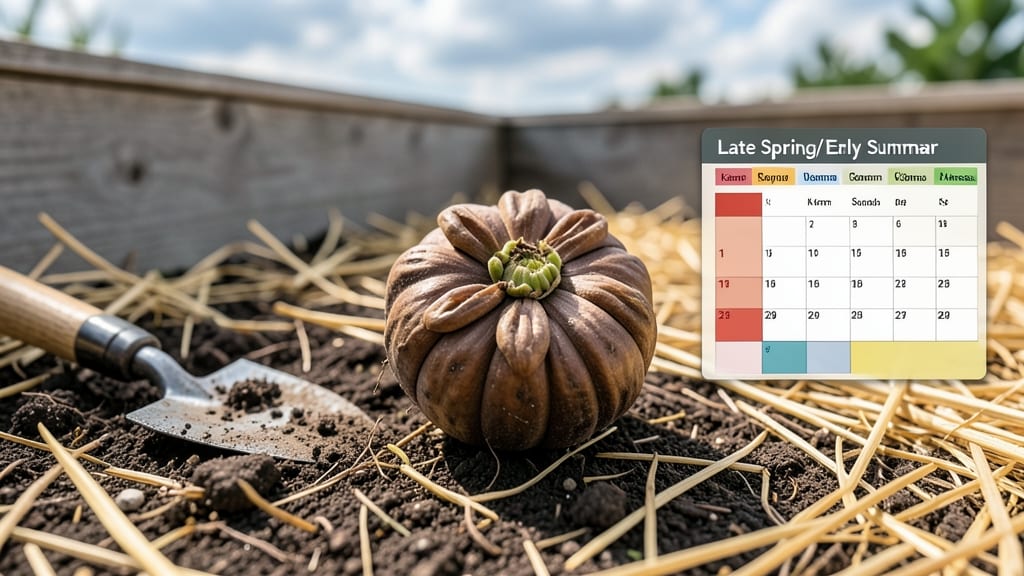
When to plant dahlias in Kansas isn’t just about following a calendar—it’s about beating the unpredictable late frosts that can turn your 🌼 dreams into wilted disappointment. The window between April 15 and May 15 exists for a reason: plant too early, and frost zaps your tubers before they even wake up; too late, and summer’s heat stunts their growth before they can show off those show-stopping blooms.
I’ve seen firsthand how a few weeks can mean the difference between a garden packed with bold, long-lasting dahlias and a patch of bare soil.
Kansas’s Heat Zone 6b climate demands precision—soil temperatures matter just as much as frost dates, and knowing when to start tubers indoors (or not) can save you from costly mistakes.
What if you could skip the guesswork and plant with confidence? This guide breaks down exactly when to get your dahlias in the ground, how to prep your soil for Kansas’s clay-heavy conditions, and what to watch for after planting to ensure your blooms thrive from July through frost.
Let’s cut to the chase: the right timing isn’t just about dates—it’s about giving your dahlias the head start they need to outpace Kansas’s quirks. Ready to unlock a garden bursting with color? Let’s dive in.
Optimal planting dates for dahlias in Kansas heat zone 6b
Kansas’s Heat Zone 6b climate creates a tight window for planting dahlias—too early and frost zaps tender tubers, too late and summer’s heat stresses new growth.
The average last frost date in most of Kansas falls around April 15, but microclimates vary: Wichita’s high plains warm faster than Topeka’s river valley. Aim to plant 4-6 weeks before your last frost to give roots time to establish before summer arrives.
For Kansas City, this typically means planting between April 15 and May 1.
In Wichita, where springs arrive earlier, you can push to mid-April if soil temperatures hit 60°F (15°C). Topeka and eastern Kansas gardeners should wait until early May due to later frosts and cooler soils. Always check your local Almanac frost dates—they’re your best guide.
Soil temperature is critical. Dahlias won’t thrive until the ground reaches 60°F (15°C). Use a soil thermometer to confirm—planting in cold soil delays growth and invites rot.
In Kansas, this usually aligns with late April to early May, but 2023’s late spring proved how variable this can be. If your soil is still chilly, opt for container planting to warm roots faster.
Pro tip: Chit your tubers (pre-sprout indoors) 4-6 weeks before planting. This head start ensures your dahlias emerge 2-3 weeks earlier than unchitted tubers, giving them a competitive edge against Kansas’s short growing season.
Place tubers in a bright, cool spot (60-65°F/15-18°C) with the eyes facing up—they’ll sprout in 2-4 weeks, ready for transplant.
🌱 Kansas Dahlia Planting Timeline
| Stage | Action | Kansas Timeline |
|---|---|---|
| Prep Tubers | Inspect, cut, and chit tubers | March 15 - April 1 |
| Soil Prep | Amend clay soil, add compost | April 1 - April 15 |
| Plant Tubers | 4-6" deep, 12-18" apart | April 15 - May 15 |
| First Blooms | Expect blooms 90-120 days after planting | July - August |
| Frost Prep | Cut back stems, dig tubers | October 1 - October 15 |
⏰ Note: Adjust dates 1-2 weeks earlier for western Kansas (Wichita) and later for eastern Kansas (Kansas City).
Kansas’s clay-heavy soils can delay warming, so test your soil’s readiness. Stick a soil thermometer 4 inches deep—if it’s below 60°F (15°C), wait. Black plastic mulch warms soil faster and suppresses weeds, giving your dahlias a 2-3 week head start.
Lay it down 2 weeks before planting for best results. Pair this with compost-amended beds to improve drainage, as Kansas’s heavy clay can suffocate roots.
If you’re starting seeds indoors (for varieties not available as tubers), begin 8-10 weeks before your last frostFebruary 15 for most of Kansas. Use seed-starting mix and keep seedlings under grow lights for 14-16 hours of light daily.
Harden off seedlings for 1-2 weeks before transplanting, gradually exposing them to Kansas’s wind and sun to avoid shock.
For container gardening, plant tubers in 5-gallon pots with well-draining mix and place them in full sun. Containers warm faster than ground soil, so you can plant 1-2 weeks earlier than in-ground dahlias.
Just ensure pots have drainage holes—Kansas’s sudden summer storms can drown roots if water pools.
Remember: Dahlias are hungry feeders, so prioritize fertile soil and regular feeding once planted. A balanced 5-10-10 fertilizer applied every 4-6 weeks after planting ensures bold blooms from July through frost. In Kansas’s short growing season, this means 4-5 feedings total—don’t skip the early spring boost!
Finally, mark your calendar for October 1, when you’ll need to dig and store tubers before the first frost
Pre-planting preparation: soil, tubers, and hardening off for Kansas conditions
Kansas’s clay-heavy soil and unpredictable spring weather demand extra prep work before you even think about planting dahlias. I’ve learned the hard way that skipping this step leads to stunted growth or worse—tubers rotting in soggy soil.
The key is to amend your soil 4-6 weeks before your target planting date to give it time to settle and improve drainage.
Start by testing your soil’s pH—dahlias thrive in neutral to slightly acidic soil (6.0-7.0). If your Kansas soil leans alkaline (common here), mix in peat moss or compost to lower the pH gradually.
For drainage, blend in 1-2 inches of compost or aged manure with the top 6-8 inches of soil. This mimics the well-draining conditions dahlias crave.
- Test soil pH (aim for 6.0-7.0)
- Amend with compost or peat moss (1-2 inches)
- Loosen soil to 12 inches deep with a fork
- Add perlite or sand if drainage is poor
- Choose firm, plump tubers (no soft spots)
- Look for eyes or buds (signs of viability)
- Avoid tubers with mold or shriveled skin
- Soak in 1:10 bleach-water for 10 mins (disinfect)
- Place tubers in bright, cool spot (55-60°F)
- Keep moist but not soggy (use sphagnum moss)
- Sprouts appear in 2-4 weeks (ready to plant!)
- Skip chitting if planting late May (soil warmth speeds growth)
- Move potted tubers outside during the day (start 7-10 days before planting)
- Bring in at night if temps drop below 50°F
- Gradually increase sun exposure time daily
- Watch for wilting or yellowing (signs of shock)
For Kansas gardeners, timing is everything—especially when it comes to hardening off seedlings. If you’re starting tubers indoors (which I recommend for early blooms), begin this process 7-10 days before your target planting date. Place your potted tubers outside during the day, gradually increasing their sun exposure.
Bring them back indoors at night if temperatures dip below 50°F. This mimics outdoor conditions and prevents transplant shock when you finally plant them.
One mistake I’ve seen too often is rushing the hardening-off process. Dahlias are delicate when young, and sudden exposure to Kansas’s wind or temperature swings can stunt their growth. If your seedlings start wilting or turning yellow, they’re not ready—give them a few more days to toughen up.
Finally, don’t overlook the power of mulching. After planting, apply a 2-3 inch layer of mulch (straw or shredded leaves work well) to retain moisture and regulate soil temperature. This is especially critical in Kansas, where spring temperatures can swing wildly from day to night.
With these steps, your dahlias will hit the ground running—ready to burst into bloom by July. The extra prep work now means fewer headaches later and a garden that steals the show all season long.