
Plants
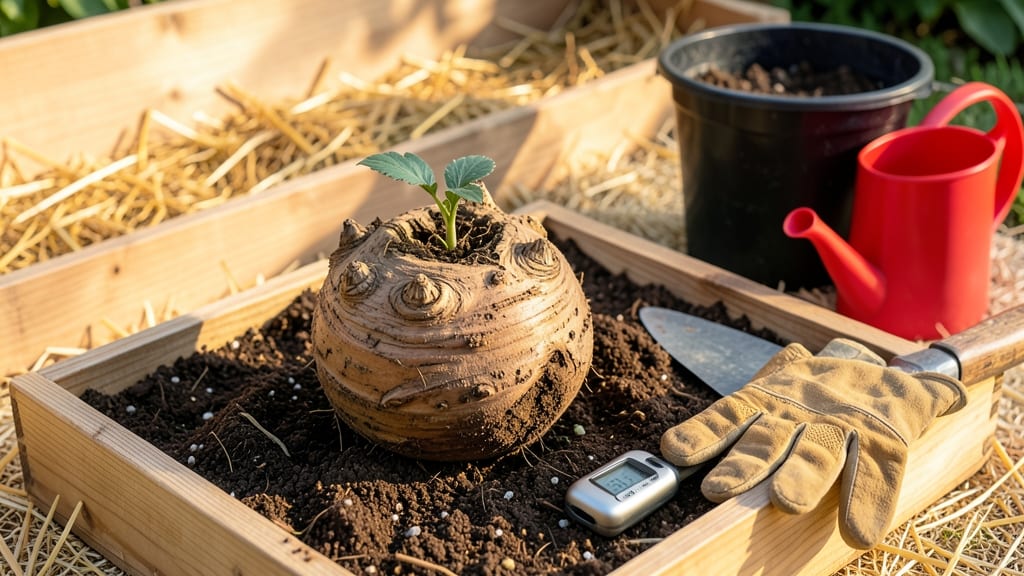
Timing your dahlia 🌼 planting in Georgia isn’t just about the calendar—it’s about outsmarting the state’s tricky frost patterns and heat spikes. Plant too early in the 7a-8b zones, and a late spring frost could wipe out your tubers; wait too long, and you’ll miss the July-October bloom bonanza.
The sweet spot? After soil hits 60°F and the last frost date has passed—but knowing exactly when that is depends on whether you’re in Atlanta’s urban heat islands or the cooler Appalachian foothills.
Most Georgia gardeners swear by planting dahlia tubers between mid-April and early May, but that window shifts dramatically across counties. In Savannah’s coastal warmth, you might start as early as late March, while the mountains near Blue Ridge could demand waiting until early June.
The key isn’t just the date—it’s reading your soil’s cues, like checking for 12-18 inches of depth where temps stay consistently warm.
Here’s the game-changer: whether you’re chitting tubers indoors for a head start or buying transplants, the 3-step prep makes all the difference.
We’ll break down how to time it perfectly for your county, plus pro tips to stretch your blooms into fall—because in Georgia, the growing season is long, but frost sneaks in faster than you think.
Ready to turn your garden into a 🌼-filled showstopper? Let’s dive into the exact dates, soil secrets, and care tricks that’ll have your dahlias thriving from Atlanta to Augusta—no guesswork, just guaranteed blooms.
Georgia county planting zones: exact dates to avoid frost damage
Georgia’s USDA zones 7a-8b create a patchwork of planting windows—what works in Savannah’s coastal warmth (zone 8a) may fail in Blue Ridge Mountains’ late frosts (zone 7a). To avoid frost damage to your dahlia tubers, pinpoint your last frost date first.
Most of Georgia sees its final frost between March 15 (north) and April 15 (south), but mountain areas can linger until April 30.
For zero-frost success, wait until two weeks after your local last frost date to plant tubers. This gives soil time to warm to the 60°F dahlias crave.
In Atlanta (zone 7b), that’s typically mid-April; in Savannah (zone 8a), you can start as early as late March. Use your county’s average last frost date as your guide—check the National Weather Service or local Cooperative Extension office for precision.
Here’s the critical rule: Dahlias hate cold soil. Planting tubers into chilly, damp earth triggers rot. Use a soil thermometer to confirm 60°F+ at a 4-inch depth before committing. In high-altitude areas like Dahlonega, wait until May 1 or risk losing your investment.
Pro tip: If you’re starting tubers indoors (a great head start for northern Georgia8-10 weeks before your last frost. For zone 7a, that’s early February; for zone 8a, late January works.
Chit your tubers—place them eyes-up in a bright, 60-65°F spot to sprout 2-inch shoots before transplanting.
For transplants (nursery-bought starts), Georgia’s humid summer heat means you can push the window later. Plant mid-May in northern counties and early April in the coastal south. Just ensure nighttime temps stay above 50°F—dahlias wilting from cold snaps is heartbreaking but avoidable with the right timing.
🌼 Visual Guide: Below is your Georgia county planting zone breakdown with exact frost-free windows and optimal tuber/transplant dates. Bookmark this for your garden planner!
| Zone | Last Frost Date | Optimal Tuber Planting | Transplant Window | Key Risks |
|---|---|---|---|---|
| 7a (Blue Ridge, NE GA) | April 15–30 | May 1–15 | May 15–June 1 | Late frosts, slow soil warming |
| 7b (Atlanta, Macon) | March 20–April 10 | April 15–May 1 | April 20–May 10 | Humidity, sporadic frosts |
| 8a (Savannah, Coastal) | March 1–15 | March 20–April 10 | March 25–April 15 | Heat stress, hurricane season |
| 8b (South GA, near FL border) | February 20–March 10 | March 1–15 | March 10–25 | Prolonged heat, pests |
*Adjust dates 1–2 weeks earlier for urban heat islands (e.g., Atlanta) or later for shaded gardens.
Now that you’ve got your county-specific dates, here’s how to harden transplants for Georgia’s humid climate. If you’re using nursery starts, acclimate them to outdoor conditions over 7–10 days before planting.
Start by placing them in partial shade during the day, then gradually increase sun exposure. This avoids transplant shock, which is especially critical in Georgia’s sweltering summer heat.
For tuber planters, focus on soil prep first. Dahlias thrive in loamy, well-draining soil with a pH of 6.5–7.0. Mix in compost or aged manure to boost fertility—Georgia’s clay-heavy soils (common in middle Georgia) can compact easily. Amend with sand or perlite if drainage is poor, and avoid
Dahlia planting timeline: tubers vs. transplants for Georgia’s climate
Georgia’s climate throws a curveball for dahlia lovers—late spring frosts in the north and sweltering heat in the south demand precise timing. Whether you’re planting dahlia tubers or transplants, the key is waiting for soil temperatures to hit 60°F and frost risk to vanish.
Let’s break down the exact steps for both methods, tailored to Georgia’s USDA zones 7a-8b.
For tuber planting, start indoors in March by chitting (sprouting) your tubers in bright light. This head start gives you a jump on the April-May outdoor window. In cooler northern counties like Fannin or Dawson, hold off until mid-April when last-frost dates are past.
Meanwhile, southern Georgia gardeners in Camden or Chatham can plant as early as late March.
| Method | When to Start | Outdoor Window | Soil Temp | Georgia Notes |
|---|---|---|---|---|
| Tubers | March (chit indoors) | April-May (after frost) | 60°F+ | Northern GA: Wait until mid-April; Southern GA: Late March OK |
| Transplants | April (harden off) | May (after last frost) | 55°F+ | Best for urban gardeners; buy from local nurseries in April |
| Seeds | February-March (indoors) | June (transplant) | 65°F+ | Risky in GA’s heat; only for late-season varieties |
If you’re using transplants, harden them off for 7-10 days before moving outdoors in May. This extra step helps them withstand Georgia’s humid heat and sudden storms. For seeds, only attempt this if you’re growing late-blooming varieties—most Georgia gardeners find tubers or transplants far more reliable.
Pro tip: Use a soil thermometer to confirm readiness. In mountainous areas like Rabun or Towns, wait until May 1 to avoid late frosts. Meanwhile, coastal regions like Savannah can plant tubers as early as late February under frost cloth if needed.
Once planted, mulch heavily with straw or pine needles to retain moisture and regulate soil temps. This is especially critical in Zone 8b, where summer heat can stress young plants. Water deeply twice weekly until established, then taper to weekly deep waterings.
Remember: Dahlias thrive on consistency. Whether you plant tubers or transplants, stick to the 60°F soil rule and watch your blooms reward you with summer-to-fall color—just in time for Georgia’s autumn festivals! 🌼