
Plants
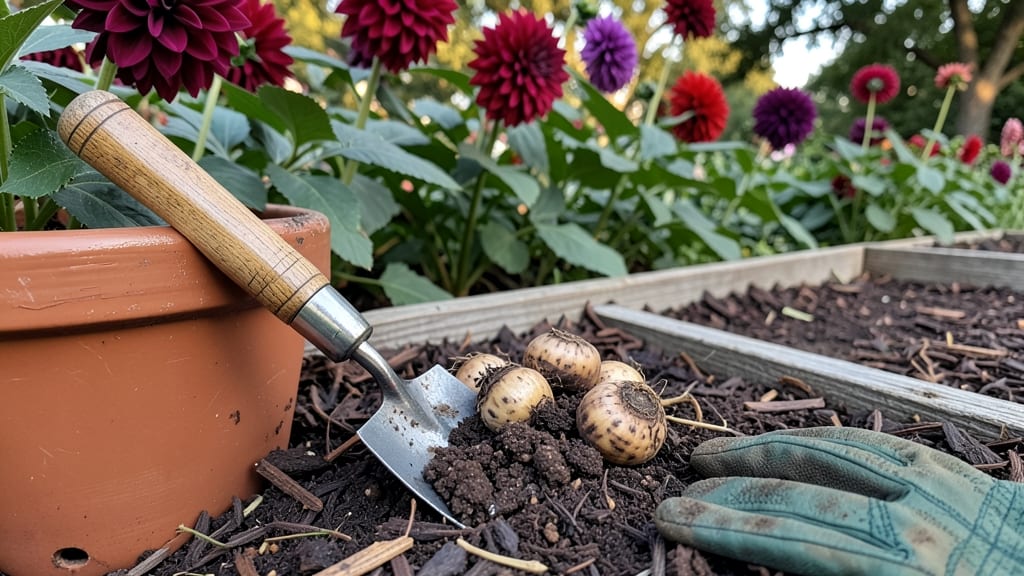
If you’ve ever planted dahlia bulbs 🌸 in Massachusetts only to watch them wither from late frosts, you’re not alone—but there’s a smarter way.
The key to zero-frost survival lies in timing your planting 2–4 weeks after the last expected frost (around May 1 in most of the state), when soil temperatures hit a steady 60°F.
Massachusetts gardeners in USDA Zone 6a face a tricky balance: plant too early, and your dahlias risk frost damage; too late, and you’ll miss peak bloom season. The solution? A strategic approach that accounts for local microclimates, soil prep, and cold-hardening hacks to extend your window.
In this guide, I’ll break down the exact planting window for your region, plus proven tips to protect your dahlias from unpredictable spring frosts. Whether you’re a first-time grower or a seasoned pro, these insights will help you grow show-stopping dahlias that thrive all summer long.
Ready to turn your garden into a dahlia paradise? Let’s get started with the timing and techniques that work in Massachusetts’ climate.
Massachusetts dahlia planting calendar: exact dates for USDA Zone 5B frost-free success
Massachusetts gardeners face a unique challenge with dahlia bulbs—the USDA Zone 5B climate brings unpredictable late spring frosts that can devastate tender tubers. But timing your planting to match soil temperatures and local frost dates ensures your dahlias thrive from June through October.
The key? Planting after the average last frost date, which typically falls between May 1–15 across the state.
For zero-frost survival, wait until the soil reaches at least 60°F (15°C)—this usually aligns with late May in most of Massachusetts. Use a soil thermometer to confirm, as cooler soil can stunt growth.
In Western MA, where nights stay chilly longer, push planting to early June if needed. Coastal areas like Cape Cod may see earlier planting windows due to milder microclimates.
Here’s the critical timeline for Massachusetts gardeners:
| Stage | Action | Notes |
|---|---|---|
| Late April–Early May | Soil Prep | Amend with compost; aim for 6.0–7.0 pH. |
| Mid-May | Test Soil Temp | Wait for 60°F+; use row covers if needed. |
| Late May–Early June | Plant Bulbs | 2–4 inches deep, 12–18 inches apart. |
| June–July | Fertilize & Mulch | Use 5-10-10 fertilizer; mulch to retain moisture. |
| October | Dig & Store Tubers | Before first frost (usually mid-October). |
Pro tip: Check the Massachusetts State Climatologist’s frost data for your specific region—Western MA often sees frosts 2–3 weeks later than coastal areas. For example, Springfield gardeners should wait until May 20 on average, while Boston can plant by May 10.
If you’re eager to start earlier, consider container gardening—pots warm up faster and can be moved indoors if frost threatens. Just ensure your containers have drainage holes to prevent waterlogged roots, which dahlias hate. For in-ground planting, choose a south-facing bed to capture extra warmth from the sun.
One common mistake? Planting too early and risking cold soil damage. Dahlias need consistent warmth to sprout—if soil temps dip below 55°F (13°C), growth stalls. Use a soil thermometer for $15 to avoid guesswork. I’ve seen dahlias planted in 50°F soil simply refuse to break ground until June!
For extended bloom seasons, plant a mix of early-, mid-, and late-season varieties. This staggered approach ensures flowers from July through October, even if early blooms get nipped by frost.
Just remember: deadhead spent blooms to encourage more flowers and prevent seed formation, which drains the plant’s energy.
🌸
How to extend your Massachusetts dahlia season: cold-hardening and frost-protection hacks
Massachusetts’ Zone 5B climate means dahlia bulbs face unpredictable late spring frosts and early fall chills. But with smart strategies, you can push your planting window earlier or shield blooms later.
The key is cold-hardening and low-tech frost protection—techniques that work even for beginners. Let’s break down how to give your dahlias a fighting chance against 32°F (0°C) dips.
First, acclimate your bulbs before planting. Start by chilling them in the fridge for 2–4 weeks at 35–40°F (2–4°C). This mimics winter dormancy and toughens them up. For earlier spring planting, try the cloche method: use clear plastic domes or even upside-down milk jugs to trap heat.
Place them over newly planted bulbs during daytime warmth and remove them at night.
- Cold-Hardening Prep: Chill bulbs in fridge for 2–4 weeks before planting.
- Microclimate Magic: Plant near south-facing walls or stone borders to absorb daytime heat.
- Mulch Mastery: Apply 4–6 inches of straw after planting to insulate roots.
- Frost Blankets: Use lightweight row covers or old sheets on 32°F nights.
- Emergency Heat: Place Christmas lights under covers for extra warmth.
For late-season protection, focus on root insulation. After the first frost, pile leaves or straw around the base of your plants. This creates a natural insulator that keeps roots from freezing.
If a hard frost is forecast, drape frost cloth over plants—secure it with bricks or stakes so wind doesn’t tear it away. For container dahlias, move pots to a sheltered spot like a garage or under an eave.
Don’t overlook soil temperature as your secret weapon. Use a soil thermometer to confirm 60°F (15°C) before planting. If it’s cooler, delay or use black plastic mulch to warm the soil faster. Pro tip: Dark-colored containers absorb heat better than light ones—ideal for extending the season in pots.
Even with protection, late blooms may still suffer. To salvage them, cut stems at a 45-degree angle and place them in lukewarm water immediately. Dahlias often perk up indoors!
For next year, dig up tubers before hard frost, store them in dry peat moss, and mark your calendar for earlier cold-hardening.
With these hacks, you’ll beat Massachusetts’ frost challenges and enjoy dahlias from early June to October. Start small—try one technique this year—and watch your blooms thrive where others fail. Happy gardening! 🌷