
Plants
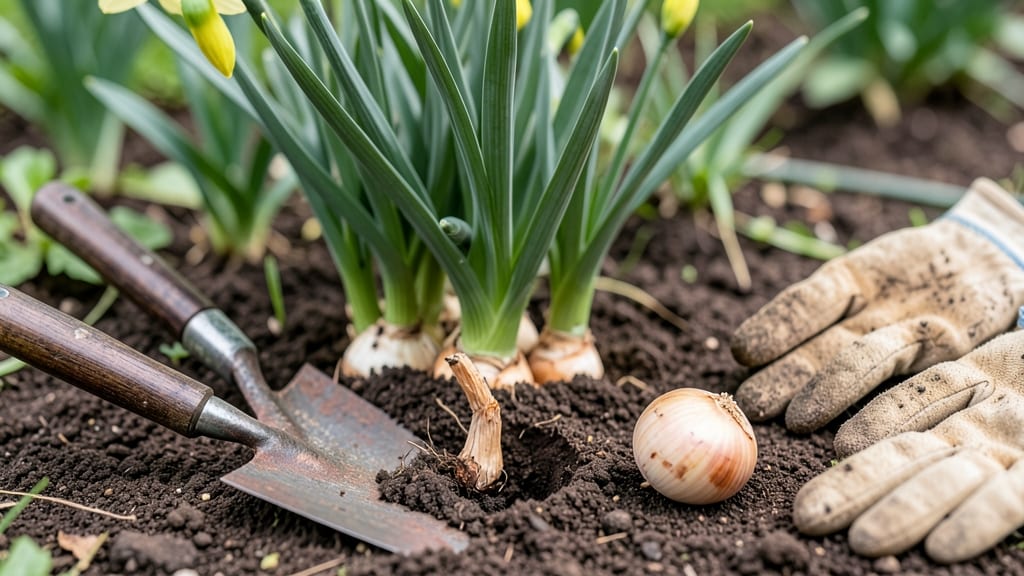
Timing your daffodil planting in Tennessee is the key to avoiding frost damage and ensuring those cheerful 🌼 blooms return year after year. Unlike some plants that thrive on last-minute action, daffodils need a precise window—too early and they’ll rot, too late and winter’s chill might stifle their growth.
Tennessee’s varied climate (USDA zones 6a-8a) adds another layer, where a single week can mean the difference between a thriving garden and wasted bulbs.
Most gardeners swear by fall planting, but here’s the catch: Tennessee’s first frost hits earlier in the mountains than in Memphis. That means Nashville gardeners should plant by early November, while those in warmer zones like Chattanooga can stretch it to mid-November.
The secret? Aim for 6-8 weeks before the ground freezes—a sweet spot where roots establish without inviting rot.
What you’ll discover in this guide is how to read your local frost dates, prep soil for Tennessee’s clay-heavy regions, and even adjust for microclimates (like urban heat islands). We’ll also cover the one critical mistake that causes more daffodil failures than anything else—hint: it’s not about the bulbs themselves.
Ready to turn your yard into a springtime daffodil parade? Let’s break down the exact steps to plant 🌼 daffodils so they’ll bloom like clockwork—no matter which part of Tennessee you call home.
Best months to plant daffodils in Tennessee for frost-proof blooms
Tennessee’s USDA Hardiness Zones 6a-8a create a unique challenge for daffodil planting—too early, and bulbs rot; too late, and they won’t root before winter. The ideal window is October through November, when soil temperatures drop below 60°F (15°C) but before the ground freezes.
This timing ensures bulbs establish roots while avoiding winter dormancy risks.
For Zone 6a (eastern Tennessee, e.g., Bristol), aim for mid-October planting. In Zone 7a (Middle Tennessee, like Nashville), stretch your window to October 15–November 15.
Southern Zone 8a (Memphis, Chattanooga) can plant as late as early December, but avoid waiting past November 20—late frosts can still damage unrooted bulbs.
Spring planting is not recommended in Tennessee. Daffodils need 6-8 weeks of cool soil to root before blooming, which spring’s warming temperatures disrupt. If you miss fall, wait until next year—your daffodils will thank you with longer-lasting blooms and fewer flops.
| Zone | Best Planting Window | Soil Temp Goal | Key Tip |
|---|---|---|---|
| 6a (Bristol, Johnson City) | Mid-October | 50–60°F (10–15°C) | Plant before October 31 to avoid early frosts. |
| 7a (Nashville, Knoxville) | October 15–November 15 | 55–60°F (13–15°C) | Avoid planting after November 20—roots need time to form. |
| 8a (Memphis, Chattanooga) | November 1–December 1 | 60–65°F (15–18°C) | Wait until after first frost (usually late Nov) for best success. |
| All Zones | Avoid Spring Planting | N/A | Spring bulbs won’t bloom until next year. |
To check if your soil is ready, use the finger test: Stick your finger 3–4 inches deep. If the soil feels cool but workable (not soggy), it’s time to plant.
In Tennessee’s humid climate, well-draining soil is critical—amend heavy clay with compost or sand to prevent bulb rot.
Plant bulbs 6 inches deep and 6 inches apart for standard varieties. Smaller dwarf daffodils can go 4 inches deep. Mulch with 2–3 inches of straw or shredded leaves after planting to insulate bulbs from freeze-thaw cycles, which can crack them.
Remove mulch in early spring to allow sunlight to trigger blooming.
Tennessee’s unpredictable frost patterns mean even late bloomers can face damage. For extra protection, choose late-blooming varieties like ‘Ice Follies’ or ‘Tête-à-Tête,’ which push blooms into April when frost risks drop significantly. Pair them with tall perennials (like foxglove) to create windbreaks and shield buds from cold snaps.
After planting, water deeply once a week until the ground freezes. Daffodils store moisture in their bulbs, so overwatering in winter can cause rot. Resume watering in early spring once shoots emerge, keeping soil moist but not soggy until blooms fade.
Remember: Patience pays off. Daffodils planted in fall may not bloom until next spring, but they’ll return year after year with minimal care. In Tennessee’s climate, timing is everything—get it right, and you’ll enjoy cheerful yellow blooms that outshine even the state’s most stubborn weeds. 🌼
How Tennessee’s microclimates affect daffodil planting timing
Tennessee’s diverse geography—from the Appalachian Mountains in the east to the Mississippi River Valley in the west—creates microclimates that shift ideal daffodil planting dates by weeks.
What works in Memphis (Zone 7b) might fail in Bristol (Zone 6b), so let’s break down how to adjust your schedule based on your location.
Elevation plays a huge role: Higher elevations (like Great Smoky Mountains areas) experience earlier frosts, while urban heat islands (like Nashville’s downtown) delay frost by 2-3 weeks. Even lake-effect zones near Lake Chickamauga can create localized frost pockets—so check your specific microclimate before digging.
Here’s how to adjust planting timing across Tennessee’s three main regions:
For urban gardeners, heat from buildings and pavement can delay frost by up to 3 weeks. Test your microclimate by monitoring local frost dates for 3 years—your backyard might be Zone 7b while your neighbor’s is Zone 6a just a mile away.
If you’re near large bodies of water (like Lake Cumberland), expect cooler nights that can trigger early frosts. Plant 2 weeks earlier in these zones to compensate. For container gardeners, use black plastic pots—they absorb heat and delay frost damage by 5-7 days compared to standard containers.
Pro tip: Use a soil thermometer to confirm when soil temps drop below 50°F—that’s your cue to finish planting. In Tennessee’s Zone 8a areas (like Shelby Forest), you might even get away with December planting if winters are mild.