
Plants
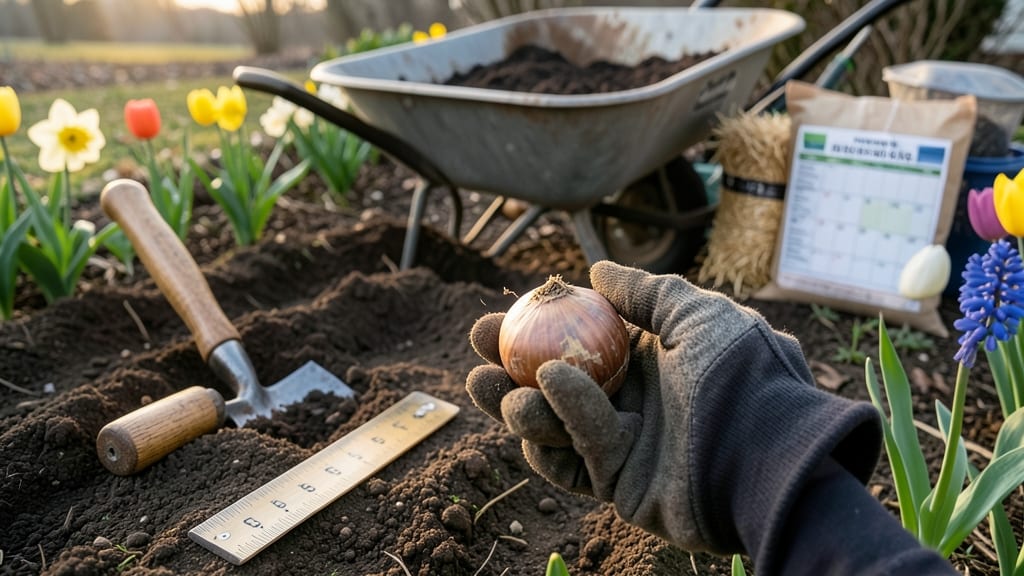
If you're dreaming of a Michigan spring bursting with 🌷 tulips and daffodils, timing your bulb planting is the key to success—and getting it wrong could mean missing out on those vibrant blooms entirely.
The perfect window for planting spring bulbs in Michigan isn't just about the calendar; it's about understanding your USDA Zone 5b-6b climate and soil conditions. Too early, and frost might still lurk. Too late, and your bulbs could struggle to establish roots before summer heat sets in.
I’ll break down the exact dates you need to know, plus pro tips for adjusting based on Michigan’s unpredictable spring weather. Whether you’re a first-time gardener or a seasoned pro, these insights will help you plant with confidence.
From soil prep to post-planting care, we’ll cover everything so your garden becomes a springtime showstopper. Let’s get those bulbs in the ground at the right time!
Michigan spring bulb planting dates by hardiness Zone (2024 guide)
Michigan’s USDA Zones 4-6 create a unique challenge for spring bulb planting—timing must align with frost dates and soil temperatures. While most gardeners focus on fall planting, spring-planted bulbs can thrive too, especially if you follow the right schedule for your specific zone.
The key is planting when soil temperatures reach 40-50°F and frost risk has passed.
For Zone 4 (Northern Michigan), like Traverse City or Marquette, aim for mid-April to early May once the ground thaws. In Zone 5 (Central Michigan), such as Lansing or Grand Rapids, you can start early to mid-April.
Southern Michigan’s Zone 6 (Detroit, Kalamazoo) allows planting as early as late March if the soil is workable.
Here’s the critical rule: Plant bulbs 6-8 weeks before your area’s average last frost date. In Michigan, this typically means April 15 for most regions, but soil temperature is more important than the calendar.
Use a soil thermometer to confirm—50°F is ideal for most spring bulbs like tulips and daffodils.
Pro Tip: If you’re unsure about frost dates, check your local Cooperative Extension Service or use the Michigan State University Garden Hotline for real-time updates. Even a single late frost can damage tender shoots, so don’t rush!
For early bloomers like crocus or snowdrops, you can plant as soon as the ground is workable in late March, even if frost is still possible.
These hardy bulbs can tolerate light frosts once established. Meanwhile, late bloomers like alliums or peonies should wait until mid-April to avoid stunted growth.
🌱 Michigan Spring Bulb Planting Guide by Zone
| Zone | Planting Window | Soil Temp | Last Frost Date | Best Bulbs |
|---|---|---|---|---|
| Zone 4 (Northern) | Mid-April to Early May | 45-50°F | May 1 | Daffodils, Hyacinths, Crocus |
| Zone 5 (Central) | Early to Mid-April | 40-45°F | April 15 | Tulips, Alliums, Snowdrops |
| Zone 6 (Southern) | Late March to Early April | 38-42°F | April 1 | Peonies, Lilies, Fritillaries |
⚠️ Note: Adjust dates 1-2 weeks earlier for early spring or later for late spring based on weather patterns.
If you’re planting in containers or raised beds, warm up the soil faster by using black plastic mulch or a cold frame. This lets you plant 2-3 weeks earlier than in-ground beds. Just ensure containers have drainage holes to prevent rot—bulbs hate soggy soil!
For successful establishment, water newly planted bulbs deeply once a week until shoots emerge. Avoid overhead watering, which can spread fungal diseases like bulb rot. Once leaves appear, feed with a balanced fertilizer (10-10-10) to encourage strong root growth for next year’s blooms.
Remember: Spring-planted bulbs may take 1-2 years to reach full bloom compared to fall-planted ones, but they’re worth the wait! Choose hardy varieties like daffodils or alliums, which thrive in Michigan’s climate and multiply over time. With the right timing, you’ll enjoy vibrant spring color for decades.
🌷
How to adjust planting dates for early vs. late Michigan springs
Michigan’s spring weather is famously unpredictable—one year you might see daffodils peeking through snow, while another brings late frosts well into May. To maximize your bulb success, I’ve learned to adjust planting dates based on local frost patterns and soil conditions.
The key is flexibility: if your spring arrives early, don’t rush; if it’s late, don’t wait too long.
For early springs (when soil thaws by late March), aim to plant bulbs by mid-April. This gives roots time to establish before summer heat arrives. In contrast, if frost lingers into May, extend your window until early June—just be prepared for smaller blooms that year.
I once planted tulips in late May after a cold April, and they still bloomed, though a week later than usual.
🚨 CRITICAL TIP: Use the 50°F soil temperature rule—bulbs need consistently warm soil (50°F or above) to sprout. Check with a soil thermometer or dig down 6 inches; if it’s still chilly, wait.
In northern Michigan (Zone 4), this often means waiting until late April or May, while southern regions (Zone 6) can start as early as March 15.
- Too Early: Bulbs may sprout and get fried by late frosts. I lost a batch of hyacinths this way in 2022!
- Too Late: Roots won’t establish before summer heat, leading to weak or no blooms.
- Solution: Use frost cloth for early plantings or opt for late-blooming varieties (like Darwin hybrid tulips) if spring runs late.
If you’re unsure about your local frost date, I recommend checking the Michigan State University Extension’s frost calendar or using a frost-free date calculator.
For example, in Grand Rapids (Zone 5b), the average last frost is April 20, but I’ve seen it range from March 25 to May 5. To hedge your bets, plant 1/3 of your bulbs early (mid-April), 1/3 mid-season (late April), and 1/3 late (early May).
Another trick I’ve picked up is layering bulbs in pots. Plant some in early April and others in early May—this way, you’ll have blooms stretching from late April through June.
Just ensure pots have drainage holes to prevent rot. For in-ground plantings, focus on well-draining soil and mulching after planting to protect roots from temperature swings.
Finally, keep an eye on weather forecasts in the weeks leading up to planting. If a hard freeze is predicted after you plant, cover bulbs with straw or leaves until temperatures stabilize. With these adjustments, even Michigan’s most erratic springs can yield stunning bulb displays.