
Plants
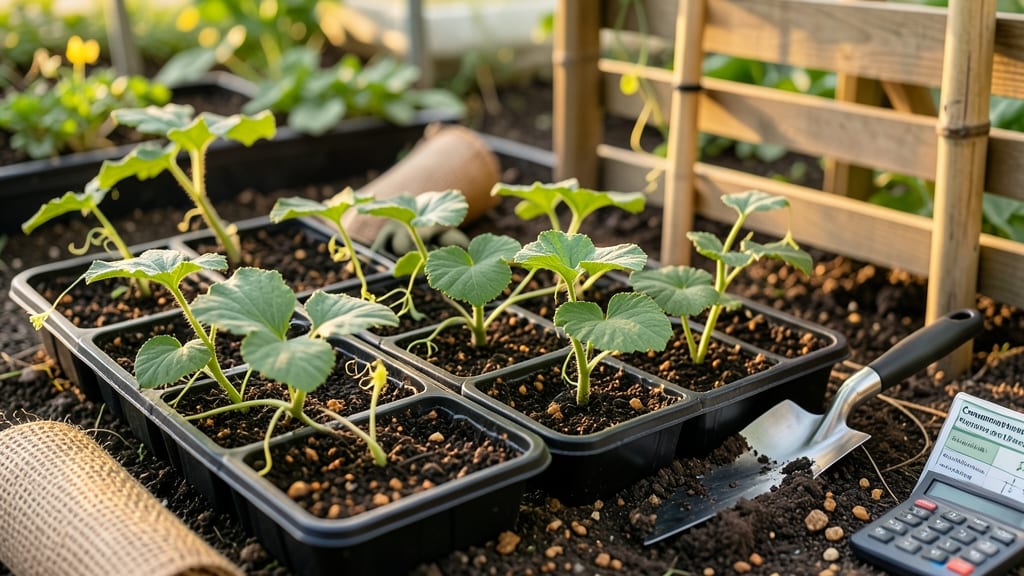
Knowing when to plant cucumbers in Zone 6a isn’t just about following a calendar—it’s about catching that sweet spot between frost danger and peak growing season. 🥒 Too early, and your tender seedlings will crisp up overnight.
Too late, and you’ll miss the summer harvest window when cucumbers reach their crispest, most flavorful peak.
For gardeners in Zone 6a, the ideal window opens after your last frost—typically mid-April to early May when soil temperatures hit 60°F or warmer. But here’s the catch: not all Zone 6a regions are created equal.
Northern areas might need to wait until late May, while southern pockets can start planting as early as mid-April. The key is watching both the weather forecast and soil thermometers.
Once you’ve got the timing right, the real magic happens with proper spacing and companion planting. Cucumbers thrive when given room to sprawl (think 3-6 feet apart for vining varieties) and when paired with the right neighbors—like beans or radishes—to deter pests naturally.
I’ll show you exactly how to set up your garden for success, from soil prep to harvest-ready tips.
Ready to grow cucumbers that outperform store-bought? Let’s dive into the exact steps to time your planting, protect your plants from late frosts, and keep your vines producing until September. Your first crisp cucumber is just 50 days away—if you plant at the right moment.

Zone 6A cucumber planting timeline: frost dates & soil temperature guide
Mastering the perfect planting window for cucumbers in Zone 6A means aligning your schedule with nature’s rhythm. The last frost date typically falls around April 15, but soil temperature is just as critical—wait until it hits 60-70°F before planting.
This balance ensures strong germination and rapid growth, setting your vines up for a bountiful summer harvest.
Zone 6A gardeners face unique challenges: short growing seasons and unpredictable spring weather. Unlike warmer zones, you can’t plant early—cucumbers won’t tolerate frost, even young seedlings.
My rule of thumb? Plant after May 1 in most of Zone 6A, but verify local frost data for your exact location using the USDA Plant Hardiness Zone Map.
| Stage | Action | Zone 6A Timeline |
|---|---|---|
| Last Frost Date | Average Date | April 15 (±7 days) |
| Soil Temperature | Minimum for Planting | 60°F (15°C) |
| Direct Sowing Window | Ideal Planting Time | May 1–15 (after frost) |
| Transplanting Window | Ready for Garden | May 10–25 (soil warm) |
| First Harvest | Expected Timeframe | July 1–15 (50–60 days after planting) |
| Peak Harvest | Best Yield Period | July–August |
🌱 Pro Tip: Use a soil thermometer to confirm warmth—cold soil delays germination by weeks!
For Northern Zone 6A (e.g., Chicago, Detroit), aim for late April to early May planting, as frost lingers longer. In Southern Zone 6A (e.g., Atlanta, Nashville), you can start as early as mid-April, but always cross-check with your local cooperative extension service for hyper-local data.
Direct sowing cucumbers outperforms transplants in Zone 6A because seedlings establish roots faster in warm soil. If starting indoors, transplant 4–6 weeks before your last frost date, but harden off seedlings gradually to avoid shock.
My go-to method? Plant seeds 1 inch deep, 2 feet apart in rows 3–4 feet apart for optimal airflow and sunlight.
Watch for false springs—those misleading warm spells that fool you into planting early. Cucumbers are sensitive to cold snaps, and even a single night below 50°F can stunt growth.
I’ve learned the hard way: When in doubt, wait another week. Your patience will pay off with healthier vines and more cucumbers.
Extend your season by 1–2 weeks earlier with black plastic mulch or row covers. These tricks warm the soil faster and protect young plants. For late-season harvests, try succession planting every 2 weeks until July 15—this ensures a steady supply through early fall.
Don’t overlook companion planting to boost yields. Pair cucumbers with beans, peas, or radishes to improve soil nitrogen and deter pests. Avoid planting near potatoes or sage, which stunt cucumber growth.
My favorite combo? Cucumbers + marigolds—the marigolds repel pests naturally while adding vibrant color to the garden.
Remember: Zone 6A’s short season demands precision. By following these timing guidelines and soil temperature rules, you’ll turn your garden into a cucumber powerhouse from July to September. Happy planting! 🥒
Zone 6A cucumber planting timeline: frost dates & soil temperature guide
In Zone 6A, cucumbers thrive when planted after the last frost date—typically mid-April to early May. The key is waiting for soil temperatures to reach 60-70°F consistently, which signals it's safe for germination. Cold soil slows growth, while frost can kill young seedlings instantly.
Use a soil thermometer to check temperatures at a 4-inch depth. If your area experiences late frosts, consider using row covers to protect early plantings. Northern parts of Zone 6A may need to wait until late May, while Southern regions can start as early as April 15.
🌱 Zone 6A Cucumber Planting Summary
| Stage | Action | Notes |
|---|---|---|
| Last Frost Date | Mid-April to early May | Check local almanac for exact dates |
| Soil Temperature | 60-70°F (15-21°C) | Use a soil thermometer for accuracy |
| Direct Sowing Window | Late April - early June | Sow every 2 weeks for succession |
| Transplant Window | Early May - mid-June | Use hardened-off seedlings |
| Harvest Timeline | July - September | 45-70 days after planting |
For direct sowing, plant seeds 1 inch deep and 2-3 inches apart in hills spaced 3-4 feet apart. This spacing gives vines room to sprawl and improves air circulation, reducing disease risk.
If transplanting, choose hardened-off seedlings with 3-4 true leaves and bury them deeper than in the nursery pot.
In Zone 6A, cucumbers need 100-140 frost-free days to mature. Since your zone typically offers 165 frost-free days, you can extend your season by planting successive batches every 2 weeks until mid-July. This staggered approach ensures a continuous harvest from summer into early fall.
Always monitor weather forecasts for late-season heatwaves, which can stress plants. If temperatures exceed 90°F (32°C), provide afternoon shade to prevent blossom drop and poor fruit set. Mulch with straw or grass clippings to retain soil moisture and regulate temperatures.
Pro tip: Mark your planting dates on a calendar and track soil temps using a freeze-proof thermometer. This helps you adjust for unpredictable spring weather and ensures your cucumbers get the best possible start.