
Plants
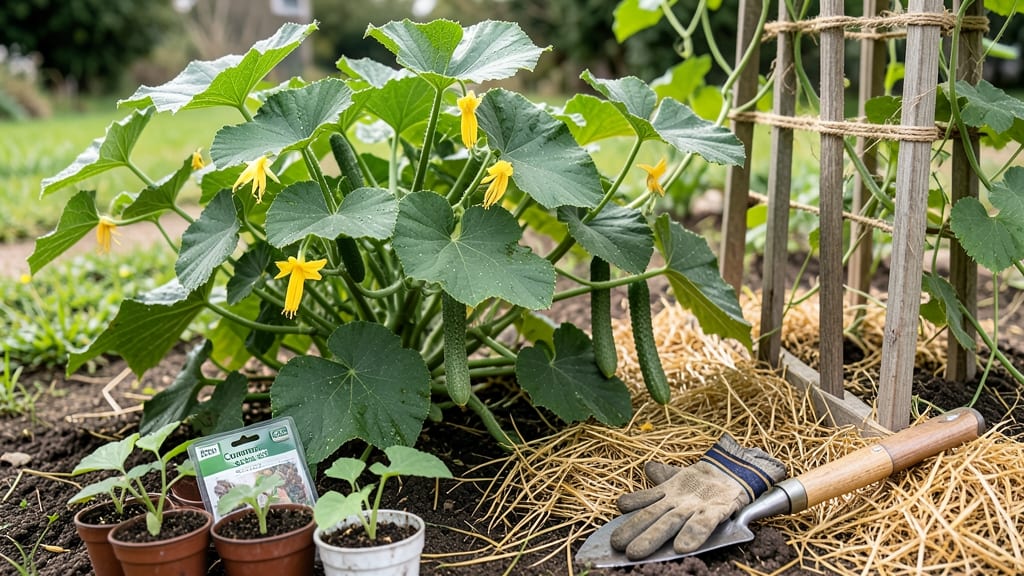
Knowing when to plant cucumbers in West Virginia can mean the difference between a bountiful harvest and wasted effort—especially in a state where spring frost lingers longer than you’d expect.
The 6a zone’s unpredictable shifts from chilly mornings to scorching afternoons demand precision, and getting the timing wrong could leave your 🥒 vines struggling or your plants bolting before they bear fruit.
Most gardeners in West Virginia wait until mid-April to early May, but that’s just the starting point. The real secret lies in soil temperature—cucumbers won’t germinate reliably until the ground warms to at least 60°F, often a week or two after the last frost date.
If you’re in the Appalachian foothills, like in counties near Morgantown, you might need to push planting back another week compared to flatter regions near Charleston.
Here’s what you’ll discover: how to time your planting for both spring and fall harvests, which cucumber varieties thrive in West Virginia’s short growing season, and how to adjust for late frosts or early heat waves.
With the right approach, you can stretch your growing window from June through October—no more store-bought cucumbers when your own vines are producing crisp, homegrown 🥒.
Let’s break down the exact deadlines by county, soil prep tips, and variety choices so you can confidently plant cucumbers that’ll outperform your neighbors’—no guesswork required.
West Virginia county-by-county cucumber planting deadlines based on frost dates
West Virginia’s USDA Zones 6b-7a mean cucumbers thrive best when planted after the last frost—typically mid-April to early May for spring crops. However, frost-free dates vary by county, with Charleston (Zone 7a) averaging April 15 and Morgantown (Zone 6b) often waiting until May 1.
Fall planting is possible in late July for a late-season harvest before the first frost (October 15).
For accurate timing, check your county’s historical frost data from the National Weather Service or WV State Climate Office. For example, Huntington (Zone 6b) may need to wait until May 5, while Martinsburg (Zone 7a) can start as early as April 20.
These differences impact when to sow seeds or transplant seedlings.
Always aim to plant cucumbers when soil temperatures reach at least 60°F—a critical threshold for germination. In cooler regions like Pocahontas County, use black plastic mulch to warm the soil faster. Warmer zones like Jefferson County can plant earlier but must monitor for late frosts.
Here’s a quick reference for key planting windows based on West Virginia’s frost patterns:
| County | USDA Zone | Last Frost Date | Spring Planting Window | Fall Planting Window |
|---|---|---|---|---|
| Charleston | 7a | April 15 | April 20 - May 5 | Late July - Early Aug |
| Morgantown | 6b | May 1 | May 5 - May 15 | Early Aug - Mid-Aug |
| Huntington | 6b | May 5 | May 10 - May 20 | Mid-Aug - Late Aug |
| Martinsburg | 7a | April 20 | April 25 - May 10 | Late July - Early Aug |
| Pocahontas | 6a | May 10 | May 15 - May 25 | Early Aug - Mid-Aug |
Use these county-specific deadlines to align your planting with West Virginia’s 165-day frost-free window. For example, if you’re in Jefferson County (Zone 7a), start seeds indoors 4-6 weeks before April 20 to transplant after the last frost.
In McDowell County (Zone 6b), wait until May 15 to avoid frost damage.
Adjust for early vs. late varieties: Fast-maturing cucumbers like ‘Straight Eight’ (50 days) can be planted earlier, while heat-loving varieties like ‘Lemon’ (70 days) need warmer soil. Always check seed packets for days to maturity and count backward from your county’s first frost date.
Pro tip: Plant succession crops every 2 weeks after your initial planting window to extend your harvest. This works especially well in Zone 7a areas like Charleston, where the growing season is longer. Use black plastic mulch to warm soil faster in cooler regions like Pocahontas County.
Monitor your local microclimate—valleys and low-lying areas may experience frost 1-2 weeks later than higher elevations. For instance, Lewisburg (Zone 6b) might have a May 10 frost date, while nearby Romney (Zone 7a) could be frost-free by
Optimal soil temperature and pre-planting preparation for cucumber success
West Virginia’s cool springs and variable soil temperatures can make cucumber planting tricky. These vines thrive when soil stays above 60°F, but early frosts are common before May.
I’ve learned to test soil warmth with a simple moisture meter or by pressing your hand into the ground—if it feels warm to the touch, it’s likely ready for planting.
For extended growing seasons, I use black plastic mulch or straw to warm the soil faster. This technique can shave off 1-2 weeks from your planting timeline, especially in higher-elevation counties like Pocahontas or Randolph. Always remove mulch once plants emerge to prevent overheating.
I’ve found that raised beds work wonders in West Virginia’s clay-heavy soils. They warm up faster in spring and drain better during our unpredictable rainfalls. Fill beds with a mix of 50% topsoil, 30% compost, and 20% perlite for perfect cucumber-growing conditions.
For late-season extensions, I plant a second crop in late July using heat-tolerant varieties like ‘Straight Eight’ or ‘Marketmore 76’. These varieties handle West Virginia’s hot August afternoons better than standard types. Just be ready to harvest by mid-October before frost hits.
One mistake I made early on was planting without trellis support. Cucumbers sprawl aggressively, and West Virginia’s humid summers create perfect conditions for powdery mildew. Installing a 6-foot trellis improves air circulation and makes harvesting easier. Plus, vertical growth saves garden space!
Remember: Patience is key. If your soil isn’t warm enough by the official last frost date, wait. Rushing leads to stunted plants and poor yields. Use this time to harden off seedlings indoors if you started them early.