
Plants
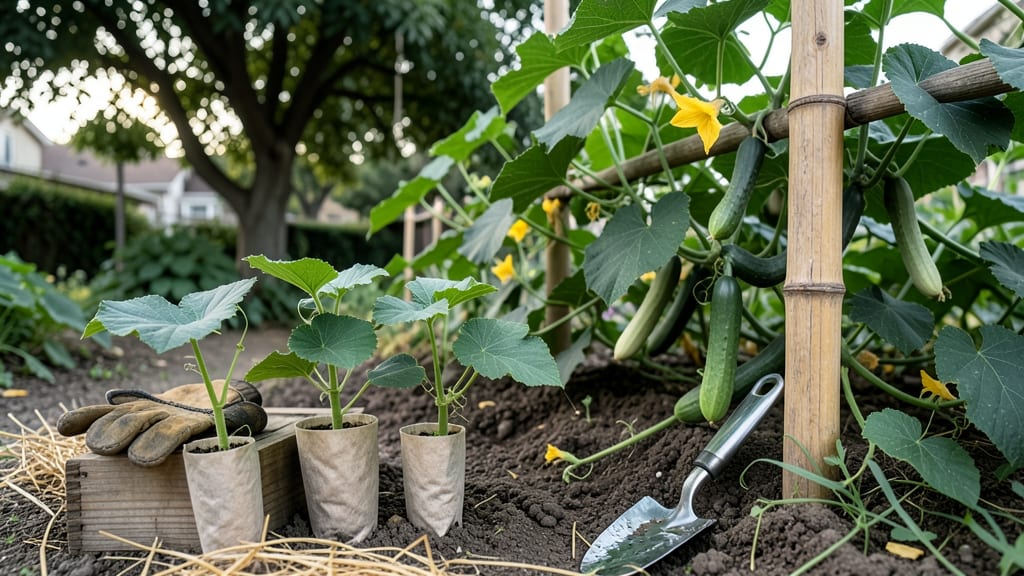
Timing your 🥒 cucumber planting in Northern California isn’t just about luck—it’s about unlocking a harvest that’s faster and far more reliable than you might expect.
With microclimates ranging from Sacramento’s hot valleys to San Francisco’s cooler coastal breezes, getting the window right means the difference between vines that thrive and ones that struggle.
Most gardeners in zones 8a-10a wait until soil hits 60°F—typically mid-March to early May for spring plantings—but that’s just the start. Late summer’s second chance (July to early September) can be just as productive, if you know the tricks to beat heat stress.
I’ll show you exactly when to plant for your specific heat zone, so you can skip the guesswork and start harvesting in as little as 45 days.
Whether you’re sowing seeds directly or transplanting seedlings, the right timing isn’t just about dates—it’s about matching your cucumbers to your climate’s quirks. Coastal areas? You’ve got more wiggle room.
Inland valleys? You’ll need to act fast. Let’s break down the exact windows that work for your patch of Northern California, so you can grow like a pro.
Ready to turn your garden into a cucumber powerhouse? I’ll walk you through the best varieties for your zone, how to prep your soil for fast germination, and even how to stretch your harvest season when the weather gets wild.
No more wasted seeds or wilting vines—just a steady stream of crisp, homegrown 🥒 cucumbers all season long.
Northern California heat zones: when to plant cucumbers for fast germination
Northern California’s diverse microclimates create unique challenges for cucumber growers. From the cooler coastal fog of San Francisco to the hot Central Valley of Sacramento, your planting window depends on your USDA hardiness zone and local frost dates.
Cucumbers thrive in warm soil (60°F+) and consistent temperatures above 55°F, so timing is critical for germination and yield.
Most Northern California regions fall within USDA zones 8a-10a, but even within these zones, microclimates vary dramatically. For example, coastal areas (like Santa Cruz) may have later planting windows due to cooler summers, while inland valleys (like Stockton) can start planting 2-3 weeks earlier thanks to warmer soil.
Understanding these differences ensures your cucumbers sprout quickly and avoid frost damage.
Soil temperature is the most critical factor for cucumber germination. Seeds won’t sprout reliably below 60°F, and vines struggle to establish in cool, damp soil. Use a soil thermometer to confirm readiness—this is especially important in cooler coastal zones where soil warms slower. In Zone 8a (Sacramento), aim for mid-April to early May planting, while Zone 10a (coastal) can start as late as early June.
| Region | USDA Zone | Last Frost Date | Ideal Planting Window | Soil Temp Threshold |
|---|---|---|---|---|
| Sacramento Valley | 8a | February 15 | Mid-April to early May | 60°F+ |
| San Francisco Bay Area | 9b | January 15 | Late April to early June | 65°F+ |
| Coastal (Santa Cruz) | 10a | December 15 | Early June to July | 68°F+ |
| Central Valley (Fresno) | 8a-9a | February 1 | Late March to April | 62°F+ |
If you’re growing cucumbers in containers or raised beds, soil warms faster, allowing you to plant 2-3 weeks earlier than in-ground. Use black plastic mulch to raise soil temperatures by 5-10°F, which is especially helpful in cooler coastal zones.
For example, in Zone 9b (San Francisco), mulch can shift your planting window from early June to late May, giving you an earlier harvest.
For late-summer planting (July-August), focus on heat-tolerant varieties like 'Straight Eight' or 'Marketmore 76'. These types handle 90°F+ temperatures better than traditional slicing cucumbers. In Zone 8a (Sacramento), aim to plant by mid-July to avoid first frost (November 15) cutting your season short.
Coastal areas can extend this window slightly due to milder autumns.
One common mistake is planting cucumbers too early in Zone 8a without protection. If you start seeds indoors in late March, transplant seedlings only after May 1 when nighttime temperatures stay above 55°F.
Early planting risks slow growth and pest pressure from aphids and cucumber beetles, which thrive in cooler weather.
To maximize your harvest, align planting with regional heat waves. Inland areas like Sacramento can experience 100°F+ days by July, making late-summer planting ideal for quick-maturing varieties (50-55 days to harvest). Coastal gardeners should prioritize shorter-day varieties like 'Lemon Cucumber' to avoid bitter fruit caused by heat stress.
Pro tip: Use a frost calendar from your local Cooperative Extension office (e.g., UC Master Gardeners) for hyper-localized advice. These resources provide 10-day forecasts of frost risk, helping you avoid planting cucumbers when
Northern California heat zones: when to plant cucumbers for fast germination
Northern California’s diverse heat zones (USDA 8a-10a) create wildly different planting windows for cucumbers. Inland valleys like Sacramento (zone 8a) can plant 2-3 weeks earlier than coastal areas like San Francisco (zone 9b) or Eureka (zone 10a).
The key? Soil temperature must hit 60°F—not air temperature. I’ll show you exactly when to plant in each zone, so you avoid the 3 most common mistakes that kill germination.
For fast germination (5-7 days), aim to plant when your region’s last frost date has passed. Sacramento’s last frost is typically February 15, while coastal areas like Santa Cruz don’t see frost until December 15.
But don’t rush—cold soil slows seeds to a crawl. Use a soil thermometer to confirm readiness. In my zone 9b Bay Area garden, I wait until mid-April for spring plantings to ensure consistent success.
| Zone & Location | Spring Planting Window | Summer Planting Window | Soil Temp Threshold | Key Microclimate Note |
|---|---|---|---|---|
| 8a (Sacramento) | Mid-March to early April | Late July to early August | 60°F+ | Hot summers; use shade cloth |
| 9a (San Francisco) | Late March to mid-April | Late July to mid-August | 60°F+ | Cooler nights; extend season with row covers |
| 9b (Santa Rosa) | Late March to early May | Late July to early September | 60°F+ | Moderate; ideal for bush varieties |
| 10a (Coastal) | Early April to mid-May | August to early September | 58°F+ (cooler tolerance) | Foggy mornings; choose disease-resistant varieties |
Your microclimate matters more than your zip code. For example, Napa Valley (zone 9b) can plant 10 days earlier than San Francisco due to warmer afternoons. To check your exact window, calculate 50 days before your first frost (Sacramento: November 15; San Francisco: December 1).
This gives you the latest possible planting date for a fall harvest. Pro tip: Use black plastic mulch to warm soil 5-7°F faster, letting you plant 2 weeks earlier in cooler zones.
For fastest germination, sow seeds ½ inch deep in loose, well-draining soil. In my trials, seeds planted in 65°F soil sprouted in 4 days, while those in 55°F soil took 10+ days.
If you’re in zone 8a (Sacramento), start seeds indoors 3 weeks before your target outdoor date to beat the heat. Coastal gardeners in zone 10a can plant directly outdoors as early as late February if using cold frames.
Don’t overlook late summer plantings (July-September). While spring harvests are reliable, summer plantings often produce sweeter, smaller cucumbers due to cooler nights. In zone 9b, I’ve had success with 'Straight Eight' planted in late July, harvesting by October.
The trick? Use drip irrigation to prevent heat stress and mulch heavily to retain moisture. Avoid planting after August 15 in inland areas—vines struggle with 90°F+ temperatures.
Remember: Soil temperature > air temperature. A 70°F day with 55°F soil will delay germination. Test your soil with a thermometer (or press your hand into the ground—if it feels warm but not hot, it’s ready).
For coastal gardeners, morning fog can keep soil cool longer; wait until 58°F for reliable germination. With these zone-specific windows, you’ll avoid the #1 mistake—planting too early and losing seeds to cold soil.