
Plants
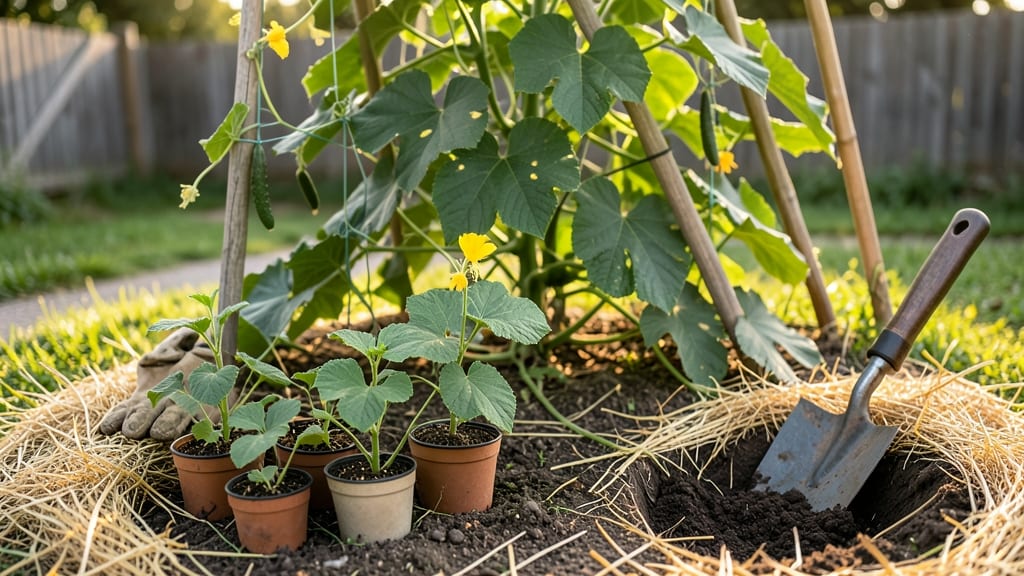
Timing your 🥒 cucumber planting in North Carolina isn’t just about waiting for spring—it’s about matching your microclimate’s quirks. Coastal areas like Wilmington face salt spray and humidity delays, while mountain gardens in Asheville need to wait for soil to warm past 60°F before risking frost.
Get it wrong, and you’ll either lose seedlings to late frosts or watch your vines wilt under summer’s brutal heat.
Most NC gardeners in zones 7a-7b can start cucumbers after the last frost—typically mid-April to early May—but that window shifts dramatically. In the Piedmont, where heat arrives early, you might squeeze in a second planting by August for a fall harvest.
Meanwhile, coastal gardeners often wait until May 15th to avoid soggy soil and fungal risks.
Here’s the game-changer: soil temperature matters more than calendar dates. Use a simple soil thermometer to confirm 60°F before planting—cold soil slows germination, and cucumbers won’t thrive until the ground warms.
For raised beds or greenhouses, you can push those dates back by 2-3 weeks, but even then, watch for nighttime temps dipping below 55°F.
In this guide, I’ll break down the exact planting windows for your NC region—whether you’re in the humid Coastal Plain, the rolling Piedmont, or the cooler Appalachian foothills—plus pro tips to extend your harvest season. Ready to grow cucumbers that actually make it to your plate?
North Carolina’s cucumber planting zones: heat maps by region (coastal vs Piedmont vs Mountains)
North Carolina’s cucumber planting success hinges on understanding its three distinct climate zones: Coastal Plain, Piedmont, and Mountains. Each has unique last frost dates, soil temperatures, and heat tolerance thresholds that dictate the perfect planting window.
For example, coastal areas like Wilmington see last frosts as early as late March, while mountain regions like Asheville may not thaw until early May. These differences mean a 2-week window shift can mean the difference between thriving vines and lost crops.
Cucumbers thrive when soil temperatures hit at least 60°F, a threshold that varies by region. In the Piedmont, where most NC gardeners live, this typically aligns with mid-April to early May. However, in the Mountains, cooler nights delay planting until late May or June.
Meanwhile, coastal gardeners face additional challenges like salt spray and high humidity, which can stunt growth if not managed properly. Understanding these regional nuances ensures your cucumbers get off to the right start.
Here’s how to match your planting schedule to NC’s microclimates, including USDA zone overlays and soil temperature triggers for germination:
If you’re in the Coastal Plain, aim to plant cucumber seeds or transplants between mid-April and early May. This timing aligns with the last frost date while ensuring soil warmth for germination. In the Piedmont, where most NC gardeners reside, early to mid-May is ideal.
For mountain gardeners, patience is key—wait until late May or June to avoid frost damage. Pro tip: Use a soil thermometer to confirm temperatures before planting; cucumbers won’t germinate below 50°F, and growth stalls below 60°F.
North Carolina’s humidity levels also play a role, especially in coastal areas. High humidity can prolong fungal diseases like powdery mildew, so choose disease-resistant varieties like ‘Straight Eight’ or ‘Southern Sweet’ if you’re near the coast.
In contrast, mountain regions benefit from cooler nights, which slow vine growth but reduce pest pressure. Adjust your watering schedule accordingly: daily in summer (especially in Piedmont) and every other day in cooler months.
For greenhouse or container growers, you can push these windows earlier or later. Start seeds indoors 4-6 weeks before your region’s last frost date, then transplant outdoors once soil warms. In containers, use fast-draining mix and larger pots (5+ gallons) to prevent root stress.
If you’re in a warmer microclimate (like the southern Piedmont), you can even try a fall planting in late July or August for a September-October harvest before the first frost.
One common mistake is planting too early in hopes of a longer season. Cucumbers are heat-loving and will bolt (flower prematurely) if stressed by cool temperatures. Instead, focus on soil temperature and weather forecasts. Check the NC State Climate Office for 7-day outlooks before planting.
If frost is predicted within 2 weeks, delay planting or use row covers to protect young vines. Conversely, if heatwaves are forecasted, prioritize shade cloth or drip irrigation to prevent sunscald on fruits.
To maximize yields, pair your planting schedule with succession planting. In NC’s long growing season, you can often squeeze in two harvests: one in early summer and another in fall.
For example, plant a fast-maturing variety like ‘Bush Champion’ in early May, then follow with a heat-tolerant type like ‘Marketmore 76’ in late June. This strategy ensures a continuous supply of fresh cucumbers from June through October.
Finally, don’t overlook elevation adjustments. In the Blue Ridge Mountains, temperatures can drop 5-10°F colder than Piedmont valleys just 1,000 feet below. Use this microclimate map from NC State Extension to fine-tune your planting zone.
For example, Boone (Zone 6b) may need row covers until June 1, while Charlotte (Zone 7b) can plant by May 15. Tailoring your schedule to these localized conditions is the secret to bountiful cucumber harvests in North Carolina.
How to extend your cucumber season in North Carolina: cold frames, row covers & succession planting
North Carolina’s short growing season can feel like a race against time for cucumbers.
But with the right strategies, you can stretch your harvest from early summer to crisp fall. Cold frames and row covers are game-changers for pushing cucumbers beyond their usual June-August window, while succession planting ensures a steady supply of fresh cukes all season long.
For early harvests, start seeds indoors 4-6 weeks before your last frost date (late March for coastal areas, early May for mountains). Transplant seedlings into protected environments like cold frames or under floating row covers once soil warms to 60°F.
This can shave 2-3 weeks off your usual planting timeline.
🌱 Extend Your Season: Step-by-Step Tactics
- Start early: Sow seeds indoors 4-6 weeks before last frost
- Use cold frames: Extend season by 4-6 weeks (coastal areas gain more)
- Row covers: Protect from light frosts (up to 28°F) while allowing sunlight
- Succession plant: Sow every 2 weeks for continuous harvests
- Heat-tolerant varieties: 'Straight Eight' or 'Southern Sweet' thrive in NC's 90°F+ summers
🌿
For fall harvests, plant heat-tolerant varieties like 'Marketmore 76' in late July to early August. These cucumbers can handle NC’s late-summer heat and produce well into September or October, depending on your microclimate. In mountain regions, aim for mid-August planting to avoid early frost.
Don’t overlook succession planting—this is the secret to a continuous cucumber supply. After your first planting, sow new seeds every 2-3 weeks until mid-July. This staggered approach ensures you’ll always have mature plants producing while others are just getting started.
Pro tip: Use black plastic mulch to warm soil faster in spring plantings. This can accelerate germination by 5-7 days, giving you an earlier start. Just
With these techniques, you can turn NC’s 165-220 frost-free days into a longer, more productive cucumber season. Whether you're growing for fresh eating or market sales, extending your harvest window means more cucumbers for your table—and fewer trips to the store!