
Plants
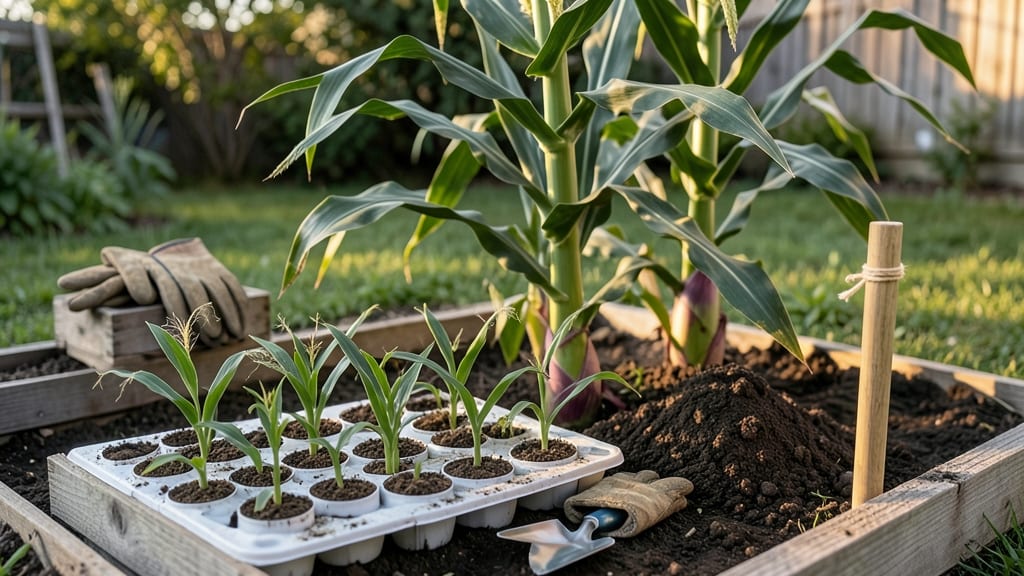
Timing your corn planting in North Carolina is the key to unlocking a harvest that rivals any backyard garden success story. Whether you're growing sweet corn for summer meals or field corn for livestock, getting those seeds in the ground at the right moment makes all the difference.
With North Carolina's diverse climate zones stretching from the coastal plains to the Appalachian mountains, there's no one-size-fits-all answer. What works perfectly in the warm Piedmont might leave mountain gardeners scrambling when frost arrives earlier than expected.
The good news? A few simple adjustments can turn your corn dreams into reality.
I'll walk you through the exact planting windows you need to know, including soil temperature triggers and heat zone considerations that NC State Extension recommends.
You'll discover how to time your planting for 90-day varieties and why succession planting can mean corn on the cob for months instead of just a few weeks.
Let's dive into the secrets that will help you avoid common mistakes and maximize your corn harvest, no matter where in the state you're planting your 🌽. Your future summer meals will thank you!
North Carolina corn planting dates by heat Zone: best times for 90-Day varieties
North Carolina’s diverse climate zones—from the Coastal Plain to the Mountains—create unique planting windows for corn. The key is aligning your 90-day varieties with soil warmth and frost-free dates.
In USDA Zone 7b (common in Piedmont), aim for April 15–May 1, while Zone 8a (Coastal Plain) can start as early as March 15. Mountain regions (Zone 6) should wait until May 1–15 to avoid frost damage.
Corn thrives when soil temperatures reach 60°F (15°C)—a critical threshold for germination. Use a soil thermometer to confirm readiness. In North Carolina, this typically occurs 2–4 weeks after your last expected frost date.
For example, Raleigh (Zone 7b) usually hits this mark by mid-April, while Asheville (Zone 6b) may need to wait until late April or early May.
For 90-day varieties like 'Golden Bantam' or 'Silver Queen', timing is everything. Plant too early, and cool soils delay germination. Plant too late, and shorter days stunt growth before harvest.
The goal is to ensure maturity before fall frosts, which in North Carolina can arrive as early as October in the Mountains or as late as November along the Coast.
Here’s how to match your planting to North Carolina’s heat zones and microclimates for maximum success:
| Zone | Planting Window | Soil Temp Trigger | Frost Risk | Harvest Window |
|---|---|---|---|---|
| Zone 8a (Coastal Plain) | March 15–April 15 | 60°F (15°C) by March 30 | Low (last frost: Feb 15) | July–September |
| Zone 7b (Piedmont) | April 1–May 1 | 60°F (15°C) by April 15 | Moderate (last frost: March 15) | July–October |
| Zone 6b (Mountains) | May 1–15 | 60°F (15°C) by May 1 | High (last frost: April 15) | August–September |
If you’re growing sweet corn varieties, prioritize early-maturing types like 'Peaches and Cream' (75 days) for mountain regions where summers are shorter. In Zone 8a, you can even squeeze in a fall planting of short-season varieties in late July for a September harvest before heavy rains arrive.
Pro tip: Use black plastic mulch to warm soils faster in cooler zones. Lay it down 2–3 weeks before planting to accelerate germination. This trick is a game-changer for Zone 6b gardeners who want to extend their growing season.
Corn also benefits from succession planting. In Zones 7b and 8a, stagger plantings every 2 weeks from April to June to ensure a steady supply of ears. Just remember: later plantings need shorter-day varieties to mature before frost.
Monitor your local NC State Extension office for real-time frost forecasts. Their Frost Free Date Calculator (available online) can refine your planting schedule based on your exact location.
For example, Wilmingon (Zone 8a) may have 100+ frost-free days, while Boone (Zone 6b) averages just 150 days—a critical difference for corn.
Finally, don’t overlook microclimates within your area. A south-facing slope warms up faster than a north-facing valley, potentially allowing you to plant 1–2 weeks earlier in sunny spots. Observe your garden’s sun exposure patterns for a week before planting to spot these microclimate advantages.
North Carolina corn planting dates by heat Zone: best times for 90-Day varieties
North Carolina’s diverse heat zones (5-8) create unique planting windows for corn. Most 90-day varieties need warm soil—aim for 60°F+ temperatures—and frost-free conditions. Coastal areas (Zone 8) can plant 2-3 weeks earlier than mountain regions (Zone 5-6), where late frosts delay planting until mid-April to May.
Check your local USDA Zone 7b/8a for precision.
For optimal germination, wait until soil reaches 55°F at 4 inches deep. In Piedmont (Zone 7), this typically happens by late April, while mountain zones may wait until mid-May.
Use a soil thermometer to confirm—corn seeds rot if planted in cold soil. NC State Extension recommends April 15-May 15 as the sweet spot for most regions.
🌽 NC Corn Planting Timeline by Heat Zone
| Zone | Planting Window | Soil Temp | Frost Risk |
|---|---|---|---|
| Coastal (8) | Mid-March to April 15 | 55°F+ | Low |
| Piedmont (7) | Late April to May 1 | 60°F+ | Moderate |
| Mountains (5-6) | Mid-May to June 1 | 65°F+ | High |
*Adjust 1-2 weeks based on microclimates (e.g., valleys vs. ridges).
For 90-day varieties, schedule planting so ears mature before first fall frost (typically October 15-November 1). For example, if you plant April 15 in Piedmont, harvest by July 15.
Use succession planting every 2 weeks to extend harvests—plant a second batch by June 1 for late-summer ears.
Pro tip: Black plastic mulch warms soil faster in cooler zones, letting you plant 1-2 weeks earlier. Remove mulch when plants reach 12 inches tall to prevent overheating. In Zone 5-6, consider short-season varieties (75-80 days) like 'Early Sunglow' to avoid frost risks.
Monitor weather forecasts for late frosts—corn is extremely frost-sensitive at all stages. If frost threatens after planting, cover seedlings with row fabric until soil warms. In Zone 8, you can even squeeze in a fall planting (August) for late harvests, though yields may be smaller.
Remember: Soil prep matters. Work in compost 2-3 weeks before planting to boost fertility. Corn thrives in well-draining soil with pH 6.0-6.8—test your soil to avoid nutrient deficiencies. With the right timing, you’ll enjoy sweet, juicy ears all summer long! 🌽