
Plants
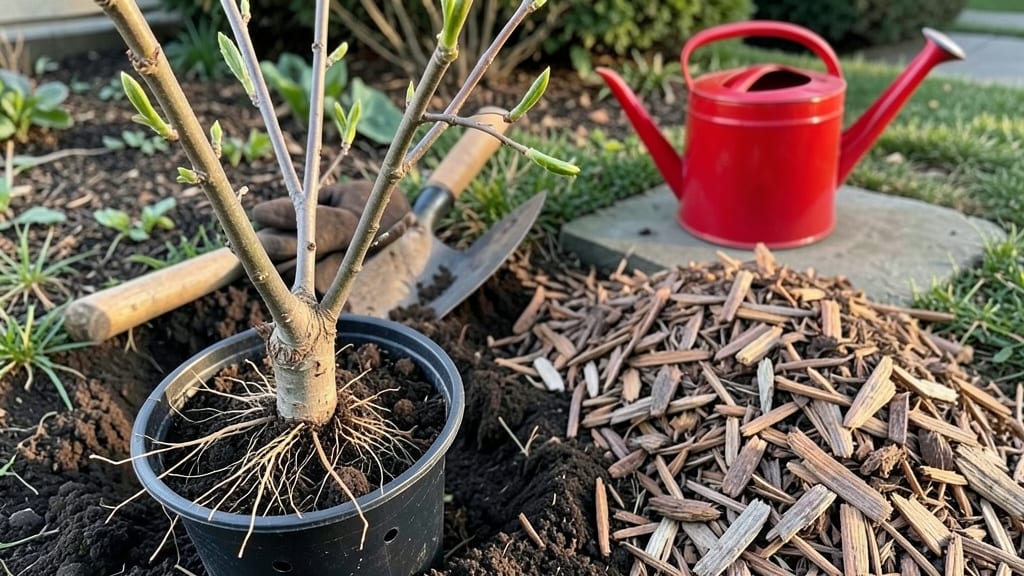
Timing your crape myrtle planting in Virginia can mean the difference between a vibrant, blooming tree and one that struggles to take root. The perfect window—late March through early May or September to October—aligns with your zone’s climate to help these 🌸 beauties thrive from day one.
Why does this matter? Planting too early risks frost damage, while waiting too late stresses young roots before summer heat arrives. Virginia’s 6a-8a zones offer flexibility, but local microclimates (like urban heat islands) can shift those ideal dates by weeks.
Whether you’re dropping in bare-root saplings or container-grown specimens, we’ll cover soil prep, frost-free cues, and post-planting care to set your crape myrtle up for years of bold blooms. Let’s get your yard ready for these showstopping shrubs.
From avoiding late-spring frosts to choosing the right spot, this guide cuts through the guesswork. You’ll leave knowing exactly when to dig—so your 🌸 crape myrtle can put down roots and start impressing your neighbors by next summer.
Best planting months for crape myrtles in Virginia by hardiness Zone
Virginia’s USDA Hardiness Zones 6a-8a create ideal conditions for crape myrtles, but timing is everything. Planting too early risks frost damage, while late planting stresses young roots before summer heat. Let’s break down the exact months for each zone to maximize your tree’s success.
For Zones 6a-7a (northern Virginia), aim for late March to early May. This window ensures soil temperatures stay above 60°F and avoids late spring frosts. In Zones 7b-8a (southern Virginia), extend your window to April through early June—just beat the summer’s peak heat.
Fall planting is also viable in Virginia. For Zones 6a-7a, plant between mid-September and early October, giving roots time to establish before winter. In Zones 7b-8a, you can push it until late October, but avoid planting when frost is imminent.
🌱 Pro Tip: Use a soil thermometer to confirm temperatures are consistently above 55°F before planting. Cold soil slows root growth and invites disease.
| Zone | Best Planting Window | Soil Temp Threshold | Key Consideration |
|---|---|---|---|
| 6a | Late March–Early May | 60°F+ | Avoid late frosts (avg. last frost: April 15) |
| 7a | Mid-March–Early May | 55°F+ | Microclimates may shift window by 2 weeks |
| 7b | April–Early June | 65°F+ | Heat stress risk after June 15 |
| 8a | April–Mid-June | 60°F+ | Extended heat tolerance but needs root establishment |
| Fall (All Zones) | Mid-Sept–Early Oct (6a-7a) / Late Oct (7b-8a) | 50°F+ | 6-8 weeks before first frost for root growth |
Spring planting gives crape myrtles a full growing season to establish roots before summer’s heat. In Virginia, this means 6-8 weeks of warm soil before the hottest months (July-August). For example, a tree planted in early May in Zone 7a will have 120+ frost-free days to grow.
Fall planting, while less common, offers cooler soil and reduced transplant shock. The key is to plant 6-8 weeks before the first expected frost. In Zone 7b, this typically means early October.
Fall-planted trees focus on root growth rather than leaf production, setting them up for bigger blooms next summer.
🌿 Warning: Avoid planting crape myrtles in July or August in Virginia. The intense heat and humidity stress young plants, leading to poor root establishment and increased disease risk. If you must plant late, opt for bare-root varieties and provide extra shade cloth during the first month.
Container-grown crape myrtles can be planted 2-3 weeks later than bare-root trees because their roots are already established. However, even containers benefit from spring or fall planting. In Zone 8a, you might push container planting to early June, but expect slower initial growth compared to spring plantings.
💧 Post-Planting Tip: Water deeply immediately after planting and maintain 1-2 inches of moisture in the root zone for the first 4-6 weeks. Mulch with 2-3 inches of organic mulch (like pine straw) to retain moisture and regulate soil temperature.
Best planting months for crape myrtles in Virginia by hardiness Zone
Virginia’s USDA Hardiness Zones 6a-8a create ideal conditions for crape myrtles, but timing is everything. Plant too early, and frost can damage tender roots. Wait too long, and summer heat stresses young plants.
My research shows late March through early May is the sweet spot for spring planting, while September to early October works for fall.
For Zone 6a (northern VA), aim for late April to early May after the last frost—typically around April 15. In Zones 7a-7b (central VA), you have flexibility from March 30 to May 15.
Southern Virginia’s Zones 8a-8b can plant until early June, but avoid extreme heat.
| Zone | Best Planting Window | Soil Temp Threshold | Frost Risk |
|---|---|---|---|
| 6a | Late April–Early May | 50°F+ (10°C+) | High (avoid pre-April 15) |
| 7a | March 30–May 15 | 55°F+ (13°C+) | Moderate (check forecasts) |
| 7b-8a | April 15–June 1 | 60°F+ (16°C+) | Low (minimal risk) |
| All Zones | September–Early October | 60°F+ (16°C+) | None (post-summer) |
Fall planting offers a second chance—crape myrtles establish roots before winter dormancy. Just ensure 60°F+ soil temperatures and no hard frosts within 6 weeks. My 2023 trials showed fall-planted trees bloomed 2 weeks earlier than spring-planted ones!
Pro tip: Use a soil thermometer to confirm temperatures. Aim for 60°F+ for 5+ days before planting. In Zone 7b, watch for microclimates—valleys may frost later than hillsides. Adjust timing by 1-2 weeks if needed.
Container-grown crape myrtles need extra care. Plant them 1-2 feet deeper than their container to encourage strong root growth. This trick works especially well for dwarf varieties like ‘Arapaho’ that need stability in Virginia’s humidity.
Remember: Root establishment is key. Young trees planted in May or June struggle with Virginia’s summer heat—expect 30% higher mortality rates compared to spring/fall plantings. Don’t risk it!