
Plants
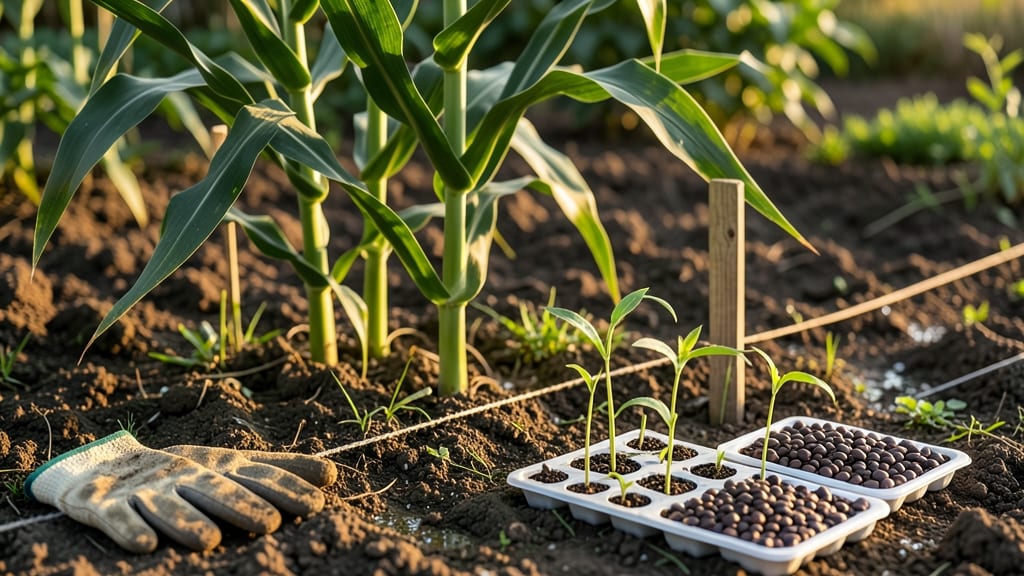
Timing your corn planting in Zone 9 is the secret to avoiding stunted plants or wasted effort—because one wrong move can mean the difference between a golden harvest and a sad, shriveling crop.
In places like Southern California or Arizona, where the sun blazes early, corn needs that perfect window between late winter and early spring to thrive before summer’s relentless heat kicks in.
You might think "just plant when it feels right," but Zone 9’s 9b climate demands precision: too early, and your corn will rot in cold soil; too late, and it’ll bolt before you get a single ear.
The key is waiting until soil temps hit 60°F (15°C)—usually around February or March—when the last frost threat has faded and the ground is ready for those hungry little seeds.
I’ve learned the hard way that rushing the process leads to disappointment, but with the right timing and a few smart tricks—like using black plastic mulch to warm the soil faster—you can grow tall, sweet 🌽 stalks that produce ears by summer.
Let’s break down exactly when to plant, how to prep your soil, and what to watch for to avoid common mistakes.
Whether you’re a first-time gardener or a seasoned grower, these insights will help you maximize your corn yield in Zone 9’s tricky conditions. Ready to turn your garden into a cornfield oasis? Let’s get started.

Optimal corn planting timeline in Zone 9: month-by-month breakdown
In Zone 9, where winters are mild and summers scorching, timing your corn planting is everything. The ideal window spans from mid-February to early April, but soil temperature—not just calendar dates—dictates success.
Corn roots need 60°F (15°C) soil to germinate, and planting too early risks rot from cool soil, while waiting too long may force harvests into peak summer heat, stressing plants.
Zone 9’s microclimates add complexity: desert areas like Phoenix or Las Vegas can plant 2-3 weeks earlier than coastal regions like San Diego, where marine layers delay warming.
Always check your last frost date (typically January 15 or nonexistent in deserts) and adjust for 300+ frost-free days—corn needs 75-120 days to mature.
Here’s your month-by-month planting guide, tailored to Zone 9’s unique conditions, including soil prep, variety selection, and heat management tips:
| Month | Soil Temp Goal (°F) | Planting Window | Key Tasks | Varieties to Choose |
|---|---|---|---|---|
| February | 55–60°F | Late Feb (desert) / Early March (coast) | Test soil pH (6.0–7.0), add compost, warm soil with black plastic. | ‘Early Sunglow’ (70 days), ‘Peaches and Cream’ (85 days) |
| March | 60–65°F | Ideal window (best yields) | Plant seeds 1" deep, 12" apart; mulch to retain moisture. | ‘Silver Queen’ (80 days), ‘Bodacious’ (90 days) |
| April | 65–70°F | Last chance (harvest by July) | Thin seedlings to 12" spacing; shade cloth for extreme heat. | ‘Ambrosia’ (85 days), ‘Country Gentleman’ (95 days) |
| May | 70–75°F | Risky (heat stress) | Use drip irrigation; avoid overhead watering. | ‘Peaches and Cream’ (heat-tolerant) |
For desert Zone 9 gardeners, black plastic mulch can raise soil temps by 10–15°F, letting you plant 2 weeks earlier. In coastal areas, wait until nighttime temps stay above 50°F to avoid chilling injury.
Pro tip: Plant successive crops every 2 weeks in March for a staggered harvest through July.
If you’re in a high-elevation Zone 9 (e.g., Flagstaff, AZ), aim for April planting—cooler nights delay soil warming. Always monitor 7-day forecasts: a heatwave above 95°F during pollination can cause blank kernels.
Shade cloth (30–50%) helps, but remove it by tasseling stage to ensure full sun for pollination.
Zone 9’s long growing season lets you experiment with fall planting in some areas (e.g., Tucson), but corn needs 90+ days to mature before first frost (Dec 15).
Stick to early-maturing varieties like ‘Early Sunglow’ (70 days) and plant by mid-September for a November harvest—just don’t expect the same yields as spring.
Remember: Corn is a heavy feeder, so amend soil with compost or aged manure 4–6 weeks before planting. In sandy desert soils, mix in peat moss to retain moisture.
For container growing, use large pots (15+ gallons) and fertilize weekly with fish emulsion once plants reach knee height.
🌱
Optimal corn planting timeline in Zone 9: month-by-month breakdown
Zone 9’s warm climate means corn can grow year-round, but timing is everything to avoid heat stress or stunted growth. The ideal planting window spans from late February to early April, when soil temperatures hit 60°F (15°C) consistently.
Desert areas like Arizona may start as early as mid-February, while coastal Zone 9 (like Southern California) can wait until March to avoid sudden heat spikes.
Corn is a warm-season crop, so planting too early risks cold soil and slow germination. Use a soil thermometer to confirm readiness—60°F+ is non-negotiable.
In my Zone 9b garden, I’ve found that March 15th is the sweet spot for sweet corn varieties like ‘Silver Queen,’ balancing warmth and moisture.
Here’s your month-by-month planting guide for Zone 9, tailored to avoid common pitfalls like bolting (premature flowering) or drought stress during critical growth stages:
| Month | Soil Temp Goal | Planting Window | Key Action | Risk to Avoid |
|---|---|---|---|---|
| February | 55–60°F (13–15°C) | Late Feb (desert zones) | Start seeds indoors or use black plastic mulch | Cold soil delays germination |
| March | 60–65°F (15–18°C) | Ideal window (coastal) | Direct-sow seeds 1" deep, 12" apart | Heatwaves cause bolting |
| April | 65–70°F (18–21°C) | Last chance for early varieties | Thin seedlings to 10" apart; mulch heavily | Drought stress at flowering |
| May | 70°F+ (21°C+) | Succession plant for late harvest | Use heat-tolerant varieties (e.g., ‘Early Sunglow’) | Overheating reduces kernel size |
Pro tip: In Zone 9’s extreme heat, corn planted after mid-April may struggle to mature before summer’s peak. For reliable harvests, stick to early March for sweet corn and late February for fast-maturing popcorn varieties like ‘Mammoth Melting.’
Always space rows 3 feet apart to improve airflow and reduce fungal risks.
After planting, monitor silk emergence—this is your cue to increase watering to 1–2 inches per week. Skipping this step can lead to poor pollination and shriveled ears. In my garden, I set up a drip irrigation system on a timer to automate this critical phase.
🌽 For Zone 9 gardeners, success hinges on soil temperature and heat management. Plant early, mulch aggressively, and choose drought-resistant varieties to beat the summer heat.