
Plants
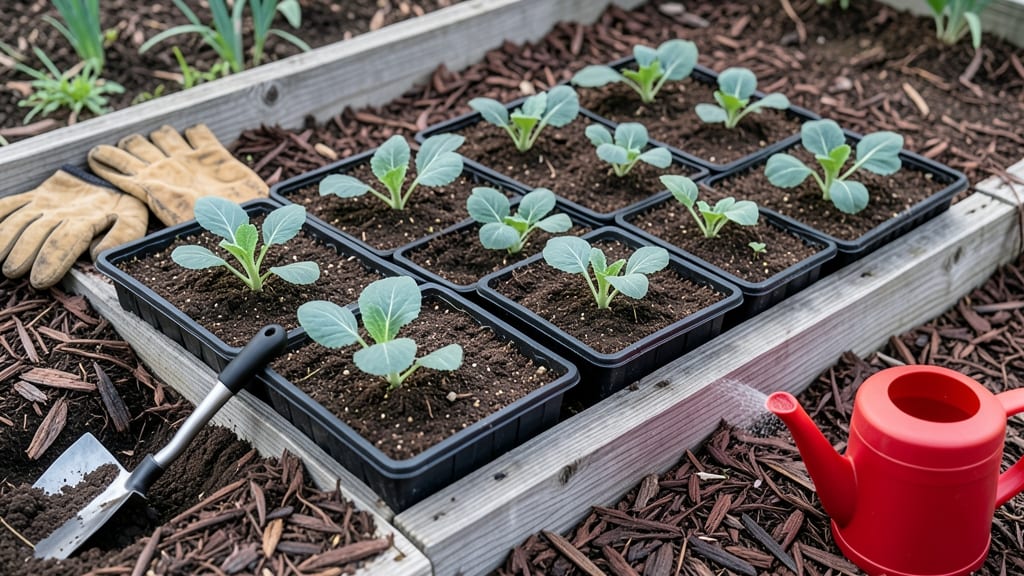
Figuring out when to plant broccoli in Zone 9b can feel like solving a puzzle—too early, and the heat sends your 🥦 bolting before you even get a harvest. Too late, and you miss the sweet spot for flavorful heads.
But here's the good news: with the right timing, you can grow broccoli that thrives in desert climates like Phoenix or Southern California.
The key is planting during Zone 9b's cooler months, when temperatures drop just enough to satisfy broccoli's cool-weather preferences. Most gardeners in this region plant between September and November, giving plants time to establish roots before winter's mild chill.
This strategy works because broccoli actually performs better when it's not fighting summer's relentless heat.
What makes this timing work so well? Broccoli planted in fall gets a head start on growth before winter's cooler temperatures set in. By February or March, you'll be harvesting those beautiful, tight heads instead of watching them turn bitter or flower prematurely.
It's all about working with your climate's natural rhythms rather than against them.
Don't worry if you're new to gardening—this approach works for both beginners and experienced growers. I'll show you exactly how to time your plantings, choose the right varieties, and keep your broccoli happy through Zone 9b's unique microclimates. Let's get those 🥦 growing the right way!

Best planting times for broccoli in Zone 9b to prevent bolting
In Zone 9b, where summer temperatures often exceed 90°F, timing your broccoli planting is critical to avoid premature bolting. Unlike cooler climates, you’ll skip spring planting entirely—broccoli thrives in fall and winter when temperatures dip below 75°F.
The ideal window spans from mid-September to early November, aligning with cooler evenings and shorter days.
Your last frost-free date isn’t a concern in Zone 9b, but heat stress is. Broccoli plants bolt when exposed to prolonged 80°F+ temperatures, so aim to establish seedlings before September 15th.
Coastal areas like San Diego may push planting slightly later, while inland deserts (e.g., Phoenix) should start earlier to beat the heat.
For a second harvest, sow a second crop in late January when daytime highs drop below 70°F. This aligns with broccoli’s 60-day maturity window, ensuring heads form before spring heat returns. Always check your local microclimate—valleys retain heat longer than coastal gardens.
| Planting Window | Ideal Temperature | Zone 9b Microclimate Notes | Heat Risk |
|---|---|---|---|
| Mid-September to Early November | 60-75°F (daytime) | Coastal: Plant by Oct 1; Inland: Start by Sept 15 | High (avoid summer heat) |
| Late January to Early February | 55-65°F (daytime) | Valleys: Wait until Feb 1; Coastal: Jan 20 | Low (spring heat not yet present) |
🌱 Pro Tip: Use a soil thermometer to confirm temps stay below 75°F during daytime.
If you’re new to Zone 9b gardening, start with transplants instead of direct sowing. Seedlings from a nursery are already hardened off and ready to handle fall’s fluctuating temps. Look for heat-tolerant varieties like 'De Cicco' or 'Waltham 29', which handle short heat spikes better than standard types.
For container growing, plant in late October to avoid summer heat entirely. Containers dry out faster, so ensure they’re in partial shade during afternoon sun. Use self-watering pots to maintain consistent moisture—a key factor in preventing bolting.
Always test your soil’s pH before planting. Broccoli prefers 6.0-7.0 pH, and Zone 9b soils often lean alkaline. Amend with compost or peat moss to create the ideal growing medium. Well-draining soil prevents root rot, which weakens plants and makes them more susceptible to bolting.
Remember: Succession planting every 2-3 weeks in fall extends your harvest. Even in Zone 9b, you can enjoy fresh broccoli from December through March with proper timing. The key is cool nights and warm days—the perfect broccoli-growing recipe.
For gardeners in high-desert areas, consider shade cloth (30-50%) during peak afternoon sun. This mimics the cooler conditions broccoli craves, giving you 2-3 extra weeks of viable growth before bolting sets in.
Finally, monitor your plants daily after planting. Look for yellowing leaves or stretched stems—early signs of heat stress. Adjust with morning watering and afternoon shade to keep your broccoli happy and productive.
With these Zone 9b-specific timing tricks, you’ll avoid the common pitfalls of bolting and enjoy a bountiful harvest even in the desert’s warm climate. Happy planting! 🌿
Best planting times for broccoli in Zone 9b to prevent bolting
In Zone 9b, where summers are scorching and winters are mild, timing your broccoli planting is critical to avoid bolting—the process where plants prematurely flower.
The ideal window spans from late summer to early winter, specifically September through November, when daytime temperatures drop below 75°F but don’t dip into frost. This balance lets your plants focus on head formation instead of survival.
Broccoli thrives in cool-season conditions, so planting in fall (September-October) gives it time to establish roots before winter’s mild chill. If you’re in a coastal Zone 9b area, like parts of Southern California, you might push planting into early November—just ensure nighttime temps stay above 50°F.
Inland areas, like Phoenix, should aim for late September to avoid summer’s peak heat.
🌱 Zone 9b Broccoli Planting Timeline
| Stage | Action | Key Notes |
|---|---|---|
| Late August - Early September | Start seeds indoors or order transplants | Use heat-tolerant varieties like 'De Cicco' |
| Mid-September | Transplant seedlings (4-6 weeks old) | Space 18-24 inches apart in well-draining soil |
| October - November | Succession plant every 2-3 weeks | Avoid planting after November 15 in most areas |
| December - February | Monitor for pests; harvest heads | Harvest before flower buds open (🟢📏✂️) |
For Zone 9b gardeners, the last frost-free date isn’t a concern, but heat stress is. Broccoli bolts when exposed to consistent temps above 80°F, so avoid planting in summer months (May-August). Instead, focus on fall planting when daytime highs hover around 70-75°F—perfect for broccoli’s growth cycle.
Pro tip: Use a shade cloth (30-50%) if planting in late September to protect seedlings from intense afternoon sun. This small adjustment can delay bolting by 2-3 weeks, giving you more time to enjoy a full harvest.
Pair this with drip irrigation to maintain consistent soil moisture, which is critical in Zone 9b’s dry climate.
If you’re new to Zone 9b gardening, start with transplants instead of seeds—they’re already hardened and ready to handle the transition. Choose heat-tolerant varieties like 'Calabrese' or 'Waltham 29' for better success.
These varieties can handle short heat spikes better than standard broccoli, but they still need cool nights to form tight heads.
Remember: Succession planting is your best friend in Zone 9b. By staggering plantings every 2-3 weeks from September to November, you’ll ensure a continuous harvest from December through March. This method also minimizes the risk of bolting from sudden heat waves, which can sneak in even during "cooler" seasons.
Finally, keep an eye on your local microclimate. Coastal areas stay cooler longer, while inland zones may experience earlier heat spikes. Adjust your planting schedule accordingly—if your area heats up faster, plant earlier in the September window and use shade cloth proactively.
With these strategies, you’ll avoid the common pitfalls of Zone 9b broccoli growing and enjoy a bountiful harvest all winter long. 🌿🥦