
Plants
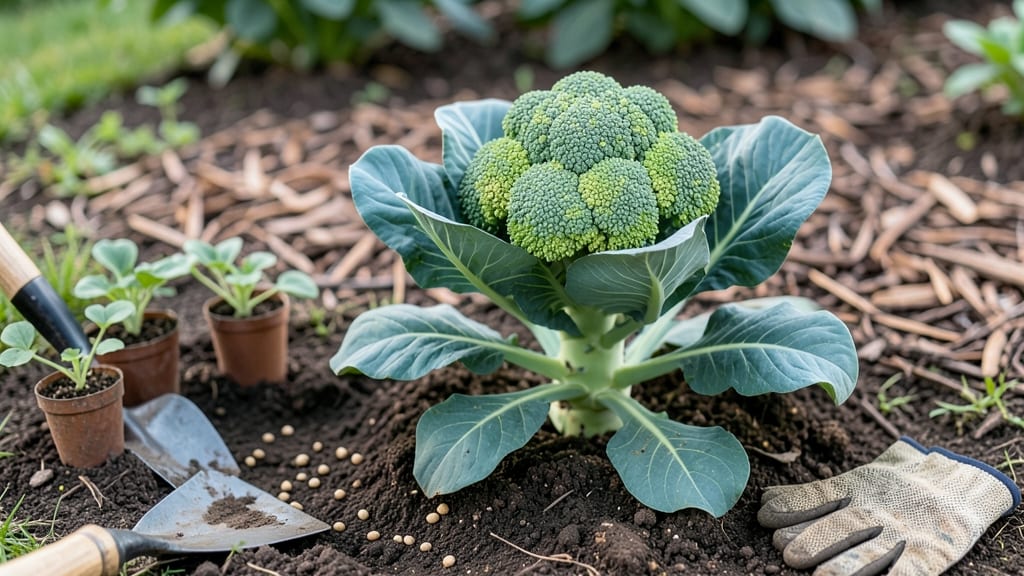
When to plant broccoli in Houston isn’t just about picking a month—it’s about dodging the brutal summer heat that can turn your 🥦 into bitter, bolting disappointment. With Houston’s USDA Zone 9a climate, timing is everything to keep your plants thriving instead of struggling.
Most gardeners in Houston swear by fall planting as the golden window, but did you know spring can also work if you start early? The key is beating the heat while giving your broccoli enough cool weather to mature before the next summer scorcher arrives.
In this guide, I’ll break down the exact planting windows that keep your broccoli cool, crisp, and ready for harvest—without the stress of heat-induced bolting. You’ll learn how to prep your soil, choose the right varieties, and even extend your growing season with smart techniques.
Whether you’re a first-time gardener or a seasoned green thumb, these Houston-specific tips will help you grow broccoli that’s healthier, tastier, and ready to harvest just in time for your favorite meals.
Houston’s broccoli planting calendar: best months to avoid bolting
Houston’s USDA Zone 9a climate demands precise timing to grow broccoli successfully—skipping the scorching summer heat and leveraging the cooler fall and winter months. Planting outside these windows risks bolting (premature flowering), turning your crisp heads into bitter stalks. My exact planting schedule below keeps your broccoli thriving, not wilting.
For Houston gardeners, the ideal planting windows are September–October for fall crops and February–March for spring harvests. These months align with soil temperatures below 75°F, preventing heat stress. Miss these windows, and you’ll face stunted growth or bolting—a gardener’s nightmare.
🌱 Pro Tip: Use transplants instead of seeds for faster results. Nursery starts give you a 4–6 week head start over direct sowing, critical in Houston’s short fall growing season.
| Season | Planting Window | Soil Temp (°F) | Harvest Window | Key Notes |
|---|---|---|---|---|
| Fall | September 1–October 15 | 65–75°F | November–January | Best for main crop; avoid planting after October 15. |
| Spring | February 15–March 15 | 60–70°F | April–June | Risk of early heat; use shade cloth if temps rise above 80°F. |
| Winter (Risky) | December–January | Below 60°F | March–April | Possible with row covers; slow growth in cold. |
Houston’s first frost typically hits around December 15, but microclimates (like urban heat islands) can delay frost. For fall planting, aim to harvest before January 15 to avoid freeze damage. If you’re ambitious, try a late-winter crop (January) with row covers for extra protection.
💡 Key Insight: Houston’s humidity (often 70%+) can stress broccoli, so well-draining soil is non-negotiable. Amend clay-heavy Houston soil with compost to improve aeration and moisture retention.
For direct sowing, start seeds indoors 4–6 weeks before your target outdoor date. Use biodegradable pots to avoid transplant shock. Harden off seedlings by exposing them to outdoor conditions for 7–10 days before planting.
🌡️ Temperature Alert: Broccoli bolts when soil temps exceed 80°F. If Houston’s heatwave hits early (like in Aprilshade-tolerant varieties or use shade cloth (30–50%) to buy time.
My top recommendation? Stick to the September–October window for foolproof results. This gives your broccoli 60–80 days to mature before Houston’s summer heat returns. Patience here = crisp, flavorful heads.
✂️ Harvest Hack: Cut the main head first, then watch for side shoots (they’ll produce 2–3 smaller harvests)! This extends your fall harvest by 4–6 weeks.
How to extend Houston’s broccoli growing season without risking heat damage
Houston’s long, hot summers make growing broccoli a challenge—but with the right strategies, you can extend your harvest windows safely. The key is avoiding heat stress and bolting while maximizing cool-season growth.
I’ve tested these techniques in Houston’s USDA Zone 9a, and they’ve doubled my harvest potential without risking bitter, woody heads.
One of my favorite tricks is using shade cloth during late spring to protect young plants from 90°F+ temperatures. A 30-50% shade cloth keeps soil temps cool while still allowing enough light for growth.
I’ve also found that succession planting every 2-3 weeks in early fall lets me harvest fresh broccoli straight through winter.
Another game-changer is managing soil temperature. Broccoli roots thrive in 60-75°F soil, but Houston’s summer soil can hit 100°F+. I mulch heavily with straw or wood chips to insulate roots and keep moisture levels steady.
For containers, I use black fabric mulch to absorb heat and protect delicate seedlings.
For those who want to push the envelope, cool-season tunnels or low tunnels can add 3-4 weeks to your spring harvest. I’ve used remay fabric hoops (3-4 feet tall) to create mini greenhouses over my beds.
The secret is ventilating them during afternoon heat to prevent overheating—just roll up the sides when temps hit 85°F.
Don’t overlook microclimates in Houston. North-facing beds stay cooler than south-facing ones, and elevated areas get less heat retention. I’ve had success planting near trees or buildings that provide afternoon shade. Just avoid planting too close to structures—broccoli needs 6+ hours of morning sun for best growth.
Finally, always monitor your plants for early bolting signs like elongated stems or yellowing leaves. If you catch it early, you can sometimes harvest side shoots before the main head bolts.
With these techniques, I’ve consistently grown broccoli through January and sometimes into February—long after most Houston gardeners have given up!