
Plants
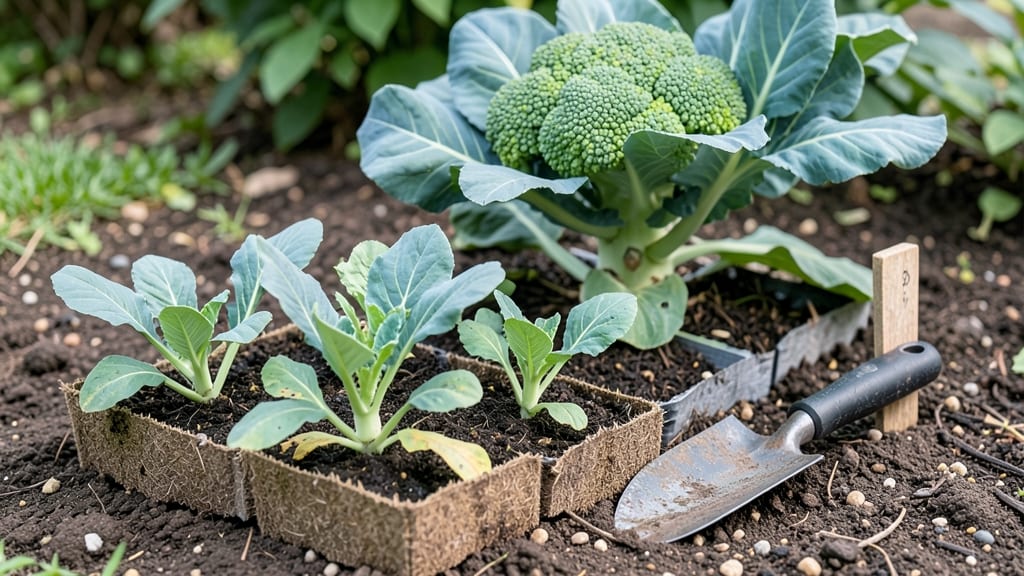
If you’ve ever dreamed of harvesting crisp, homegrown 🥦 broccoli from your Washington State garden, timing is the secret ingredient—get it wrong, and you’ll end up with bitter heads or bolting plants.
The perfect planting window in WA isn’t one-size-fits-all: coastal areas like the Puget Sound can start as early as March, while inland zones like Eastern WA wait until April to avoid frost damage.
Here’s the kicker: broccoli thrives in Washington’s cool, wet climate, but it hates summer heat—so fall planting (August–September) is just as critical as spring.
Whether you’re a first-time gardener or a seasoned green thumb, knowing your USDA zone (6b–8b) and last frost date (March 15 in Western WA, April 15 in Eastern WA) will mean the difference between a bumper crop and a sad, wilted disappointment.
I’ve tested the best varieties for WA’s weather—like ‘De Cicco’ for cold tolerance and ‘Waltham 29’ for heat resistance—and I’ll share exactly when to plant them for zero-frost success.
Plus, I’ll cover pro tips to extend your harvest into late fall or early spring, so you can enjoy fresh 🥦 broccoli year-round.
Ready to transform your garden into a broccoli powerhouse? Let’s dive into the exact months, soil prep tricks, and varieties that’ll have you harvesting like a local by June and October—no guesswork required.
Best planting months for broccoli in Washington’s climate zones
Washington State’s diverse climate—from the mild coastal regions to the colder inland areas—means broccoli planting times vary dramatically.
In Western WA (Zones 7b-8b), like Seattle and the Puget Sound, you can plant as early as late February for a spring harvest, while Eastern WA (Zones 5b-6b), such as Spokane or Wenatchee, waits until mid-April to avoid frost damage.
The key is aligning your planting with the last frost date, which shifts from March 15 in the west to April 15 in the east.
For a fall harvest, aim to plant 8–10 weeks before the first frost. In Western WA, that’s mid-August to early September, while Eastern WA gardeners should start in late July to August.
Fall-planted broccoli thrives in cooler temps and often produces sweeter, more tender heads before winter sets in.
Broccoli is a cool-season crop, meaning it performs best when daytime temps hover between 60–75°F. Planting in spring or fall avoids the summer heat that causes bolting (premature flowering), which turns your broccoli bitter and inedible.
In Washington’s climate, this means avoiding June and July plantings unless you’re using shade cloth or other heat-mitigation strategies.
Soil temperature is just as critical as air temperature. Broccoli seeds won’t germinate well in cold soil—wait until the soil reaches at least 45°F before planting.
In colder regions like Eastern WA, you may need to start seeds indoors 4–6 weeks before the last frost date to get a head start. For direct sowing, use black plastic mulch to warm the soil faster in early spring.
Washington’s microclimates also play a role. Coastal areas like Olympia or Bellingham have milder winters, allowing for extended fall harvests into November, while inland valleys like the Yakima area may see earlier frosts.
Always check your local USDA zone and monitor frost alerts from sources like the Washington State University Extension for precise timing.
Here’s a quick reference for your region’s ideal planting windows:
| Region | USDA Zone | Spring Planting | Fall Planting | Harvest Window |
|---|---|---|---|---|
| Western WA (Seattle, Olympia) | 7b–8b | Late Feb–Mid-April | Mid-Aug–Early Sept | June–July & Oct–Nov |
| Puget Sound (Bellingham) | 8a–8b | Early Feb–Early April | Late July–Early Sept | May–July & Sept–Nov |
| Eastern WA (Spokane, Wenatchee) | 5b–6b | Mid-April–Mid-May | Late July–Aug | June–July & Sept–Oct |
To maximize your broccoli’s potential, amend your soil with compost before planting to ensure it’s rich in organic matter. Broccoli thrives in slightly acidic to neutral soil (pH 6.0–7.0), so test your soil in early spring.
If your soil is heavy clay or sandy, mix in 2–3 inches of compost or aged manure to improve drainage and fertility. This step is non-negotiable in Washington’s variable soil types, from the loamy soils of the Willamette Valley to the rocky, well-drained soils of the Cascades.
For container gardening, choose deep pots (at least 12 inches deep) and use a well-draining potting mix. Containers warm up faster than garden beds, so you can plant 2–3 weeks earlier than in-ground.
Just be prepared to move pots to a sheltered spot if frost is forecasted. Urban gardeners in Seattle or Tacoma often use this method to extend their growing season.
Finally, succession planting is your secret weapon for a continuous harvest. In Washington’s climate, you can stagger plantings every 2–3 weeks from March through September. This ensures you’re always harvesting fresh broccoli, whether it’s spring’s tender heads or fall’s sweeter, frost-kissed varieties.
Just remember: space plants 18–24 inches apart to give them room to grow and reduce competition for nutrients.
With these region-specific planting windows and soil prep tips, you’ll be well on your way to a bountiful broccoli harvest—no matter where in Washington you garden.
Cold-hardy broccoli varieties that thrive in Washington’s weather
Washington’s cool, maritime climate demands cold-tolerant broccoli varieties that can handle light frosts and moist soil. Not all broccoli performs equally—some bolt in summer heat, while others struggle with Pacific Northwest’s damp winters.
The right variety ensures reliable harvests from spring to fall. Here are my top 5 cold-hardy picks for Washington gardens.
Start with ‘De Cicco’, a sprouting broccoli that produces multiple small heads over time. It tolerates light frosts and thrives in cooler temperatures, making it ideal for early spring or late fall plantings.
Another standout is ‘Waltham 29’, a hearty blue-green variety that resists cabbage worms and flea beetles—common pests in WA’s wet climate.
| Variety | Frost Tolerance | Days to Harvest | Best For |
|---|---|---|---|
| De Cicco | ❄️ 28°F | 50–60 days | Spring/fall, multiple harvests |
| Waltham 29 | ❄️ 25°F | 60–70 days | Cold climates, pest-resistant |
| Calabrese | ❄️ 28°F | 70–80 days | Summer heat (with shade) |
| Green Gourmet | ❄️ 30°F | 55–65 days | Early spring, compact |
| Packman | ❄️ 26°F | 65–75 days | Late fall, disease-resistant |
For summer plantings, opt for ‘Calabrese’, a classic blue-green variety that handles mild heat better than most. Pair it with shade cloth to prevent bolting during Puget Sound’s warm spells.
My go-to for late fall is ‘Packman’, which resists disease and produces large heads even as temperatures drop.
Pro tip: Direct-sow seeds in cool soil (below 70°F) to avoid bolting. Use row covers for early spring or late fall plantings to protect young seedlings from unpredictable frosts. Always choose open-pollinated varieties for seed saving—critical for WA gardeners who want to preserve heirloom traits.
If you’re in Eastern Washington, where winters are colder, prioritize ‘Waltham 29’ or ‘De Cicco’—both handle 25°F+ frosts without skipping a beat. For coastal areas, ‘Green Gourmet’ is a compact, quick-maturing option that fits small spaces and humid conditions.
Remember: Soil health matters just as much as variety. Amend your beds with compost and aged manure before planting to ensure nutrient-rich soil—especially important for broccoli’s heavy heads. With the right variety and care, you’ll enjoy homegrown broccoli from spring through fall—no bitter surprises here! 🌱