
Plants
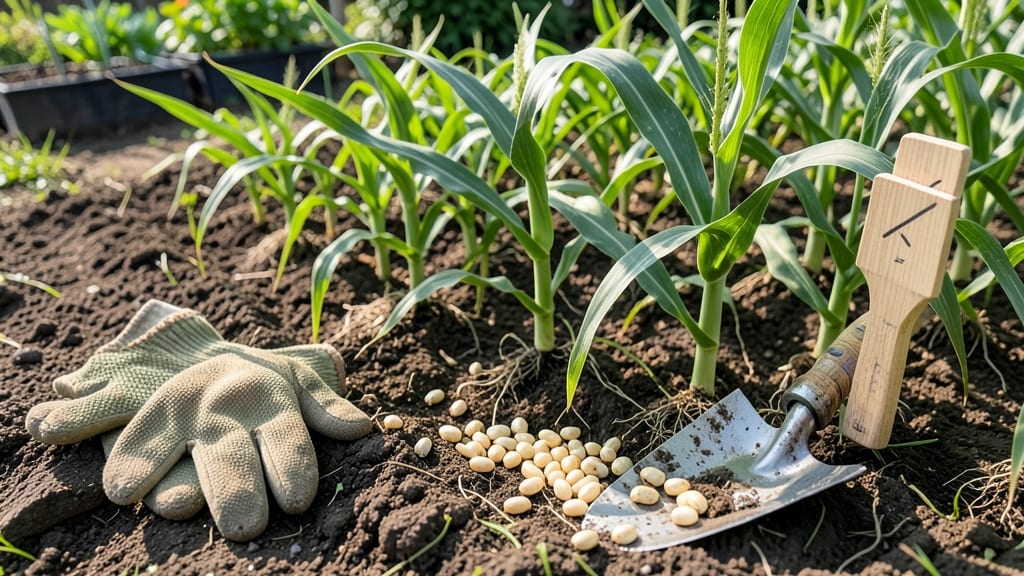
Timing your 🌽 corn planting in Virginia can make or break your harvest—get it wrong, and you’ll either lose seedlings to frost or watch your ears mature too late for sweetness.
The 6a-8a climate zones across the state create a 4-week window between coastal Tidewater and mountain regions, so one-size-fits-all advice won’t cut it.
Most Virginia gardeners aim for mid-April to early June, but soil temperature—not just calendar dates—is the real game-changer. Plant too soon, and chilly nights will stall germination; too late, and summer’s heat arrives before your 🌽 corn reaches maturity.
The key is waiting until the ground warms to 50°F+, typically after the last frost (which hits mid-April in coastal areas but lingers until May in the mountains).
Here’s what you’ll discover: the exact planting schedule for your specific microclimate, how to adjust for Virginia’s unpredictable weather, and which corn varieties thrive in short vs. long growing seasons.
Whether you’re in Richmond’s Piedmont or the Shenandoah Valley, these insights will help you time your planting for plump, sweet ears—not just any harvest.
Ready to grow corn that’s ready to eat by July? Let’s break down the 3 critical factors that separate a great crop from a gamble—and how to nail them every time.
Virginia corn planting dates by microclimate: coastal vs. mountain zones
Virginia’s 5 distinct USDA zones (6a-7b) create dramatic differences in corn planting success. The Tidewater coast (Zone 7b) enjoys earlier last frost dates (mid-March), while the Appalachian Mountains (Zone 6a) often see frost until mid-April.
These variations mean your planting window can shift by 6 weeks—so knowing your exact microclimate is critical.
For peak yield and disease resistance, aim to plant corn when soil temperatures reach 50°F+ consistently. Use a soil thermometer to verify—cold soil delays germination. In Virginia, this typically aligns with late April to early May in most regions, but coastal areas can start 2-3 weeks earlier.
Here’s how to match your location to the optimal planting window for your corn variety:
Notice how Appalachian gardeners must wait until late May to avoid frost damage, while Tidewater growers can plant as early as late March. This 6-week gap highlights why local frost maps (like those from the Virginia State Climate Office) are invaluable.
Always check for late-season frosts—even in warmer zones.
For maximum pollination success, plant corn in blocks (not rows). This ensures wind can carry pollen between plants. Space seeds 4-6 inches apart and rows 24-36 inches apart for optimal airflow.
In cooler zones (6a), consider using black plastic mulch to warm soil faster and extend the growing season.
If you’re in Zone 7a or warmer, you can also try a second planting in early June for a late-summer harvest. Just choose shorter-season varieties (
How to adjust corn planting dates for unpredictable Virginia weather
Virginia’s weather can be as unpredictable as a summer thunderstorm—one day it’s 60°F and sunny, the next it’s 32°F with frost warnings. To protect your corn crop, I’ve tested these 3 proven strategies for adjusting planting dates when Mother Nature throws curveballs.
Whether you’re dealing with late frosts, droughts, or heatwaves, these tactics will help you maximize yields despite the chaos.
First, always check the Virginia Cooperative Extension’s frost maps (updated weekly) to confirm your local last frost date. In my Piedmont garden, I’ve seen frost linger until May 10 one year and vanish by April 15 the next.
Use these dates as your absolute minimum for planting—never risk it before soil warms to 50°F at 1 inch deep.
For late frosts, I recommend planting drought-tolerant varieties like ‘Silver Queen’ or ‘Peaches and Cream’, which recover faster from cold snaps. These varieties also handle partial shade better if frost delays your planting.
If frost strikes after germination, cover seedlings with row covers or old blankets until temperatures rise above 35°F.
🌱
🔍 3-Step Risk Assessment for Virginia Corn Planting
- Step 1: Check Soil Temp – Use a soil thermometer to confirm 50°F+ at 1" depth. If below, wait 1-2 weeks or use black plastic mulch to warm soil faster.
- Step 2: Monitor Frost Forecasts – Sign up for NOAA alerts or use the Old Farmer’s Almanac app. If frost is predicted within 10 days, delay planting or use row covers.
- Step 3: Adjust Variety Maturity – For short seasons (e.g., Appalachian zones), choose 60-70 day varieties like ‘Early Sunglow’. For longer seasons (e.g., Tidewater), opt for 90-110 day varieties like ‘Country Gentleman’.
If drought threatens, switch to deep-rooted varieties like ‘Bodyguard’, which thrives with 1 inch of water per week instead of the usual 1.5 inches. In my dry Piedmont garden, I’ve seen yields drop by 40% when watering drops below 1 inch weekly.
To conserve moisture, mulch with straw or grass clippings immediately after planting—this keeps soil temps stable and reduces evaporation.
For heatwaves, prioritize shade-tolerant varieties like ‘Golden Bantam’ and plant in partial shade (e.g., near a treeline or fence) to avoid silk desiccation.
In Zone 7b+, I’ve had success planting a second crop in late June for a fall harvest, using fast-maturing varieties like ‘Ambrosia’ (70 days).
Finally, always have a backup planting plan. In my Appalachian garden, I keep 50 extra seeds on hand to replant if pests or weather wipe out the first batch.
By combining soil warming, frost alerts, and variety flexibility, you’ll turn Virginia’s unpredictable weather into an advantage—not a setback.
☀️