
Plants
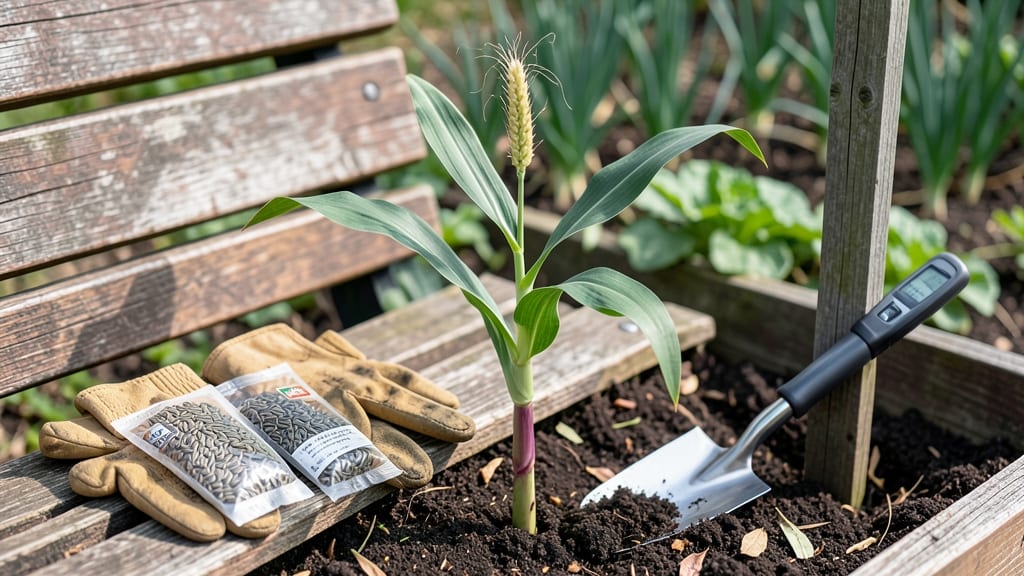
Timing your 🌽 corn planting in Nebraska isn’t just about avoiding frost—it’s about unlocking the full potential of your harvest. With USDA zones 5a-6b throwing unpredictable weather curves, even experienced gardeners can end up with stunted plants or wasted seeds if they plant too early or too late.
You’ve got a narrow window—mid-April to early June—to get those seeds in the ground when soil temperatures hit 60°F and stay there for at least 7-10 days. Skip this step, and you risk slow germination, pest attacks, or ears that never fully develop.
But nail it, and you’re looking at tall, productive stalks ready for harvest by late July.
Here’s the game-changer: local microclimates can shift your ideal planting date by 2-3 weeks, depending on whether you’re in the eastern plains or the western highlands.
I’ll break down exactly when to plant in your specific zone—and how to adjust for early or late varieties—so you can outsmart Nebraska’s weather instead of fighting it.
Ready to turn your garden into a cornfield goldmine? Let’s dive into the exact weeks before last frost that’ll give you the jumpstart you need.
Nebraska corn planting timeline by USDA hardiness zones (5-7)
Nebraska’s USDA Zones 5a-7 create a 14-day window for planting corn, but timing varies dramatically between eastern and western regions. In Zone 5a (western Nebraska), where last frost dates average April 20-25, you’ll want to plant by May 1 for full maturity.
Meanwhile, Zone 7 (southeastern Nebraska) can start as early as mid-April with 70-80 frost-free days guaranteed.
Soil temperature is your true planting trigger—corn seeds won’t germinate reliably below 50°F, but 60°F+ for 7-10 days ensures strong, uniform sprouting. Use a soil thermometer to verify before planting, especially in Zone 6b where spring warmth arrives unpredictably.
Here’s your zone-by-zone planting schedule based on last frost dates and maturity timelines for 75-day varieties (the Nebraska standard):
| USDA Zone | Last Frost Date | Optimal Planting Window | Soil Temp Threshold | Maturity Risk |
|---|---|---|---|---|
| 5a (Western NE) | April 20-25 | April 25 - May 10 | 60°F+ for 10 days | High (short season) |
| 5b (Central NE) | April 15-20 | April 20 - May 5 | 55°F+ for 7 days | Moderate |
| 6a (Eastern NE) | April 10-15 | April 15 - May 1 | 50°F+ for 5 days | Low |
| 6b (Southeast NE) | April 5-10 | April 10 - April 25 | 50°F+ for 3-5 days | Very Low |
For Zone 5a gardeners, I recommend short-season varieties like ‘Early Sunglow’ (72 days) or ‘Golden Bantam’ (65 days) to hedge against early autumn frosts.
In Zone 6b, you can push the envelope with ‘Silver Queen’ (90 days) if you plant by April 15—but monitor nighttime temperatures closely after June 15 to avoid silk desiccation.
Pro tip: Stagger your planting in 2-3 batches spaced 10 days apart to extend your harvest window. This works especially well in Zone 5b, where a late-May planting can still yield sweet corn by early September if given consistent moisture.
Remember, Nebraska’s western plains experience earlier soil warming than eastern areas due to lower humidity and more sunlight.
If you’re in Panhandle or western Nebraska, you might see 55°F soil temps by late March, but wait until April 15 to plant—early seeds risk rot in cold, wet soils.
Use a planting calendar like Nebraska Extension’s CropWatch for real-time updates on soil moisture and pest pressure, which can shift your ideal dates by 1-2 weeks in drought years.
Finally, test your soil pH before planting—corn thrives in 6.0-7.0 pH. In Zone 7, where soils often test alkaline, amend with sulfur or peat moss to avoid nutrient lockout.
🌽
Critical factors that shift Nebraska corn planting dates (beyond frost)
Nebraska’s last frost dates offer a starting point, but soil temperature and corn variety maturity often dictate your actual planting window.
For example, eastern Nebraska’s USDA Zone 5b may see frost-free soil by April 20, while western Zone 6a might wait until May 5—a 3-week difference that impacts yield potential.
Your corn variety’s days to maturity is the real game-changer. A 75-day sweet corn planted in early May might mature by mid-July, while a 110-day field corn needs a June planting to avoid frost damage. Match your variety to your frost-free window—not just the calendar.
Soil moisture is another critical factor. Nebraska’s western regions often face drought by June, so planting earlier varieties (like ‘Ambrosia’ at 70 days) ensures harvest before moisture stress sets in.
In eastern Nebraska’s wetter zones, delayed planting due to excessive rainfall can lead to fungal diseases like corn smut.
🌱 Pros & Cons of Nebraska Corn Planting Adjustments
- ✔ Longer growing season for late varieties
- ✔ Fewer pest pressures early in season
- ✔ Warmer soil speeds germination
- ✔ Short-season varieties work well
- ✔ Wait for 50°F+ for 7-10 days
- ✔ Use soil thermometer in western NE
Nighttime temperatures below 55°F can stunt corn growth, even after germination. In western Nebraska’s Zone 6a, where nights stay cool longer, consider row covers or warm-season varieties like ‘Silver Queen’ (85 days).
For eastern Nebraska’s Zone 5b, where springs warm quickly, you can push early May plantings with fast-germinating seeds.
Don’t overlook microclimates. A south-facing slope in Lincoln may warm 2-3 weeks earlier than a north-facing valley in Omaha. Use these microclimates to stagger plantings—try early varieties on warm slopes and late varieties in cooler spots for a extended harvest.
Finally, irrigation access changes everything. In drought-prone western Nebraska, plant early-maturing hybrids (like ‘Peaches and Cream’ at 70 days) to harvest before summer dry spells. In irrigated eastern areas, you can afford later plantings (up to June 1) with consistent water.