
Plants
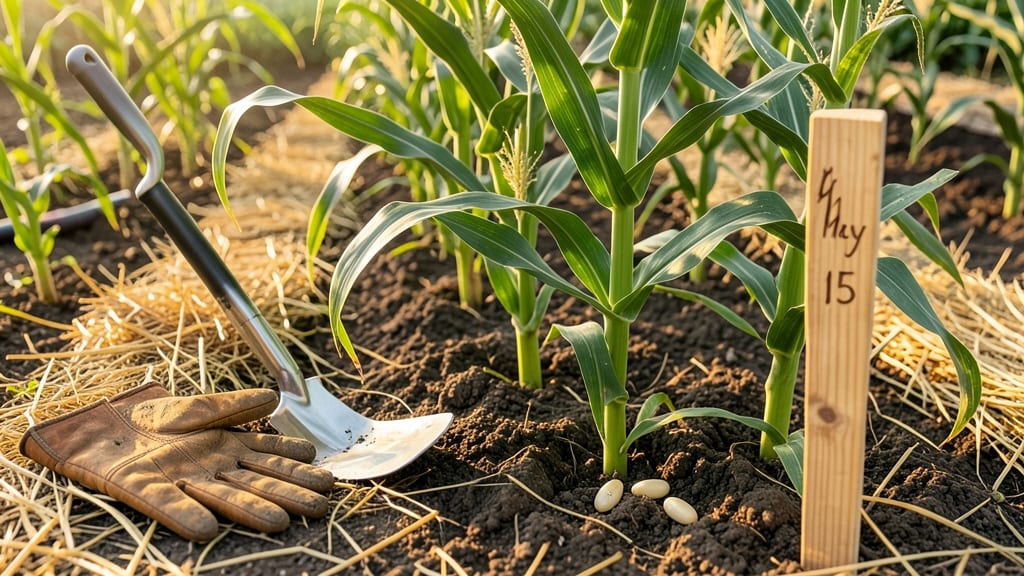
Timing your 🌽 corn planting in New York isn’t just about the calendar—it’s about beating frost, warming soil, and giving your crop the best shot at success. With USDA Zone 6a’s unpredictable spring weather, planting too early risks frost damage, while waiting too long cuts your harvest short.
Most New York gardeners swear by mid-April to early May as the sweet spot, but there’s more to it than dates. Soil temperature matters just as much—corn thrives when the ground hits 60°F, and cold frames or row covers can shave weeks off your wait for warmer conditions.
I’ve learned the hard way that rushing or delaying planting can turn a promising garden into a gamble. Whether you’re growing sweet corn for summer meals or popcorn for fun, getting the timing right means bigger ears, happier plants, and fewer empty rows.
Let’s break down exactly when to plant, how to adjust for New York’s quirks, and which varieties handle our climate best. Your perfect corn harvest starts with these simple but critical steps.
Optimal corn planting dates in New York’s USDA Zone 5B
New York’s USDA Zone 5B offers a short but productive growing season for corn, where precise timing separates success from disappointment. The last average frost date typically falls around mid-April in most regions, but this can vary by 1-2 weeks depending on microclimates.
For example, Long Island may see frost linger until late April, while upstate areas like Albany often warm up earlier.
Corn thrives when planted after the soil warms to at least 50-60°F, which usually occurs in late April to early May. This timing ensures seedlings aren’t shocked by late frosts while giving plants enough time to mature before first frost in mid-October.
Most corn varieties need 90-120 frost-free days to reach harvest, so rushing the schedule risks stunted growth or immature ears.
Here’s the golden window for planting in New York:
| Planting Stage | Ideal Timeframe | Soil Temp Requirement | Notes |
|---|---|---|---|
| Direct Sowing | Mid-April to early May | 50-60°F | Wait 2-3 weeks after last frost |
| Staggered Planting (for extended harvest) | Early May to mid-June | 50-60°F | Use early-maturing varieties (60-75 days) |
| Late Planting (risky, for popcorn) | Late May to early June | 55°F+ | Choose fast-maturing types (60-70 days) |
For sweet corn, aim to plant 4-6 weeks before your area’s first expected frost date. This ensures ears develop fully before temperatures drop.
In Zone 5B, this typically means planting by early June at the latest for most varieties. Field corn and popcorn can tolerate slightly later plantings but require shorter-day varieties to mature in time.
New York’s humidity and variable weather demand extra attention. Planting too early risks seed rot in cold, wet soils, while late planting may result in underdeveloped ears. Use a soil thermometer to confirm temperatures before sowing—corn won’t germinate well below 50°F.
If your soil is still chilly in May, consider using black plastic mulch to warm it faster.
Another pro tip: Stagger your planting by 1-2 weeks for a continuous harvest. For example, plant one batch in late April, another in early May, and a final batch in mid-May.
This spreads out your 75-100 day harvest window from July through September, ensuring you always have fresh ears on the cob.
If you’re growing heirloom or slow-maturing varieties, prioritize early planting (mid-April) and choose dwarf or semi-dwarf types that mature in 80-90 days. These are better suited to New York’s shorter season.
Avoid tall, standard varieties unless you’re in a microclimate with longer frost-free periods, like Long Island’s coastal areas.
Remember, corn is wind-pollinated, so plant in blocks (not rows) to ensure cross-pollination. A 4x4 foot patch is ideal for home gardens. For maximum yield, space plants 8-12 inches apart in rows 30-36 inches apart. This gives roots room to spread and reduces competition for nutrients.
Finally, keep an eye on local weather forecasts in April and May. If a late frost warning appears, protect young seedlings with row covers or cold frames until they’re at least 6 inches tall.
With the right timing and care, you’ll enjoy juicy, homegrown corn straight from your New York garden!
How to adjust planting time for New York’s unpredictable weather
New York’s unpredictable spring weather can throw off even the most carefully planned planting schedule. Late frosts in April or early May often hit when corn seedlings are just emerging, while heatwaves in July can stress young plants.
The key is flexibility—adjusting your planting strategy to protect your crop from Mother Nature’s surprises.
For upstate New York, where nights stay cooler longer, aim to plant 2-3 weeks after the average last frost date (typically May 15 in most areas). In Long Island or western NY, where springs warm faster, you might start as early as mid-April under protective covers.
Always check your local Cooperative Extension Service for real-time frost alerts.
Here’s how to extend your growing season when weather plays tricks. Use these tactics to safeguard your corn from both late frosts and early heat:
⚠️ Late Frost Warning
Never plant corn outdoors before soil reaches 50°F—seeds won’t germinate, and seedlings will rot. If frost threatens after planting, cover rows with frost blankets or row covers at night. For extra protection, use a cold frame or mini greenhouse to start seeds indoors 2-3 weeks before the last frost date, then transplant carefully.
If you’re in a warmer microclimate (like near a lake or urban heat island), you can plant 1-2 weeks earlier than the general guideline. However, avoid planting too soon—corn grows slowly in cold soil, and seedlings may become stunted or vulnerable to disease.
Test soil temperature with a soil thermometer; it should stay above 60°F for at least a week before planting.
For late-summer heatwaves, focus on shade cloth or drip irrigation to keep plants cool. Mulch heavily with straw or grass clippings to retain moisture and regulate soil temperature.
If your area experiences drought stress (common in July-August), prioritize drought-tolerant varieties like ‘Peaches and Cream’ or ‘Silver Queen,’ which handle heat better than others.
Staggered planting is another smart move—sow half your seeds at the optimal time and the other half 10-14 days later. This extends your harvest window by 2-3 weeks, ensuring you get fresh ears even if early plantings struggle. Just be sure to label your rows to track maturity dates!
Finally, keep an eye on pest activity during unpredictable weather. Corn earworms thrive in warm, humid conditions, while cutworms attack stressed seedlings. Use row covers early in the season and handpick pests later to protect your crop.
With these adjustments, you’ll beat New York’s weather and enjoy a reliable corn harvest every year. 🌽