
Plants
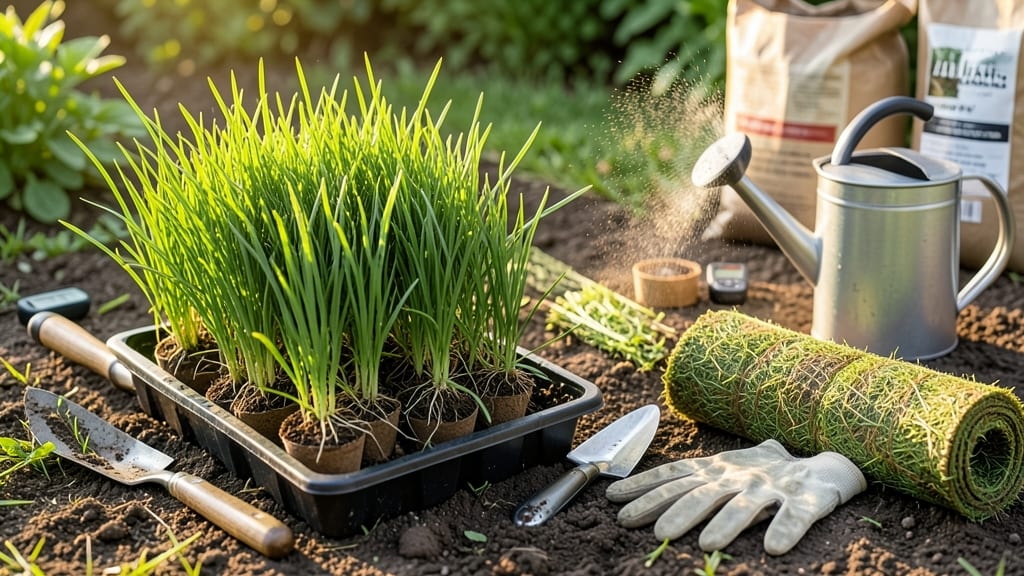
Planting your cool season grass 🌱 at the wrong time in spring could leave you staring at a lawn that’s more bare than beautiful—especially in USDA Zone 6.
The key isn’t just guessing when to plant; it’s timing it with soil warmth and frost dates to give your grass the best shot at thriving.
Most gardeners assume "early spring" means March, but that’s where many go wrong. Your grass needs the ground to warm up to 50–65°F—too cold, and seeds struggle to germinate.
Too warm, and you risk drought stress before roots establish. Let’s break down the science behind the perfect planting window so you can avoid common mistakes.
Whether you’re starting a new lawn or overseeding an existing one, the 4–6 week rule before your last frost date is your golden ticket. In Zone 6, that typically means aiming for early April—but regional microclimates can shift that window by weeks.
I’ll show you exactly how to calculate your frost-free zone and adjust for your specific conditions.
Ready to stop guessing and start growing? You’ll learn how to test soil temperature, pick the right grass variety for your climate, and care for your new lawn like a pro. Let’s get that green growing strong!
Optimal soil temperature for planting cool season grass in spring
Cool-season grasses like Kentucky bluegrass, fescue, and ryegrass thrive when planted in soil that’s warmed just enough to encourage germination but not so hot it stresses the seeds. The ideal soil temperature range for spring planting is between 50°F and 65°F.
At this range, seeds germinate quickly while avoiding the heat stress that can occur in warmer soil.
Soil that’s too cold (below 50°F) slows germination, leaving your lawn vulnerable to weeds or frost damage. Conversely, soil warmer than 65°F can cause seeds to dry out before they sprout, leading to patchy coverage. Finding that sweet spot ensures your grass gets a strong start.
To check your soil temperature, use a soil thermometer (available for under $10) or a moisture probe. Insert it 2-3 inches deep—the depth where seeds will be planted—and wait 10 minutes for an accurate reading.
Early mornings (before 10 AM) are best for testing, as soil temperatures fluctuate less.
If your soil is too cold, wait 1-2 weeks before replanting. If it’s too warm, consider shade cloth or planting in the late afternoon to reduce heat stress on seeds. Patience here pays off with a thicker, healthier lawn.
Regional variations matter! In USDA Zones 3-5, soil warms more slowly, so aim for late April to early May. In Zones 6-7, March to early April is perfect. Southern climates (Zones 8+) may need February planting to avoid summer heat.
🌱 Cool Season Grass Soil Requirements Summary
| Requirement | Specification |
|---|---|
| Soil Temperature | 50°F–65°F (10°C–18°C) |
| Testing Depth | 2–3 inches |
| Best Time to Test | Early morning (before 10 AM) |
| Tool Needed | Soil thermometer or moisture probe |
| Northern Zones (3-5) | Late April–early May |
| Southern Zones (6-7) | March–early April |
Pro tip: If you’re overseeding an existing lawn, aim for soil temps between 55°F–60°F. Cooler soil helps seeds outcompete established grass, reducing weed pressure. Use a light mulch (straw) after planting to retain moisture and regulate soil temperature.
For high-altitude areas (e.g., Denver or Aspen), soil warms 2–3 weeks later than sea-level regions. Adjust your planting timeline accordingly—don’t rush! A 2-week delay can mean the difference between thriving grass and wasted seed.
Remember, even soil moisture is critical. Dry soil heats up faster and can push temperatures above the ideal range. Water lightly the day before testing to ensure accurate readings. Aim for 1 inch of water per week post-planting to keep seeds hydrated without waterlogging.
Once your soil hits that 50°F–65°F sweet spot, you’re ready to plant. But don’t stop there—lightly rake the area to create a fine seedbed, then cover seeds with ¼-inch of soil for consistent germination. Patience and precision now will reward you with a dense, resilient lawn all season.
Calculating your frost-free window for spring grass planting
Determining your local frost-free window is the first step to planting cool-season grass at the right time. Cool-season grasses like tall fescue or Kentucky bluegrass thrive when planted 4-6 weeks before your last frost date.
This buffer ensures seedlings aren’t shocked by late cold snaps, which can stunt growth or kill tender sprouts.
Start by checking your USDA hardiness zone—most cool-season grasses grow best in zones 3-8. Use the USDA Plant Hardiness Zone Map to find your zone, then look up your average last frost date for your region.
For example, in Zone 5, last frosts often occur around May 10-15, while Zone 8 might see them as late as March 1-15.
But here’s the catch: microclimates matter. A valley or low-lying area may frost later than a hilltop, while urban areas can stay warmer due to heat islands. Observe your garden over 3-5 years to note patterns, or ask neighbors with established lawns when they plant.
If you’re unsure, err on the side of planting earlier—cool-season grass can handle light frost better than heat stress.
⚠️ Warning: Late Planting Risks
Planting too late in spring exposes seedlings to heat stress, drying out soil and causing poor germination. If your soil warms above 65°F before the grass establishes, you’ll likely see thin, patchy growth or even seedling death. Always prioritize soil temperature over calendar dates.
For overseeding an existing lawn, aim for early spring (as soon as the ground is workable) to beat weeds and establish a thick stand before summer.
New lawns, however, benefit from a slightly later window—wait until mid-spring when soil is consistently warm enough (50-65°F) to support germination without frost risk.
Pro tip: Use a soil thermometer to monitor temperatures at 2-inch depth. If readings dip below 50°F at night, delay planting until temperatures stabilize.
This simple tool saves time and prevents costly mistakes, especially in transitional zones like Zone 6-7, where frost dates can vary wildly year to year.
Once you’ve nailed down your frost-free window, mark your calendar and prep your soil 2-3 weeks ahead. Loosen the top 4-6 inches of soil, remove debris, and level the area for even seed distribution.
This head start ensures your cool-season grass gets off to a fast, healthy start—no more guessing games!