
Plants
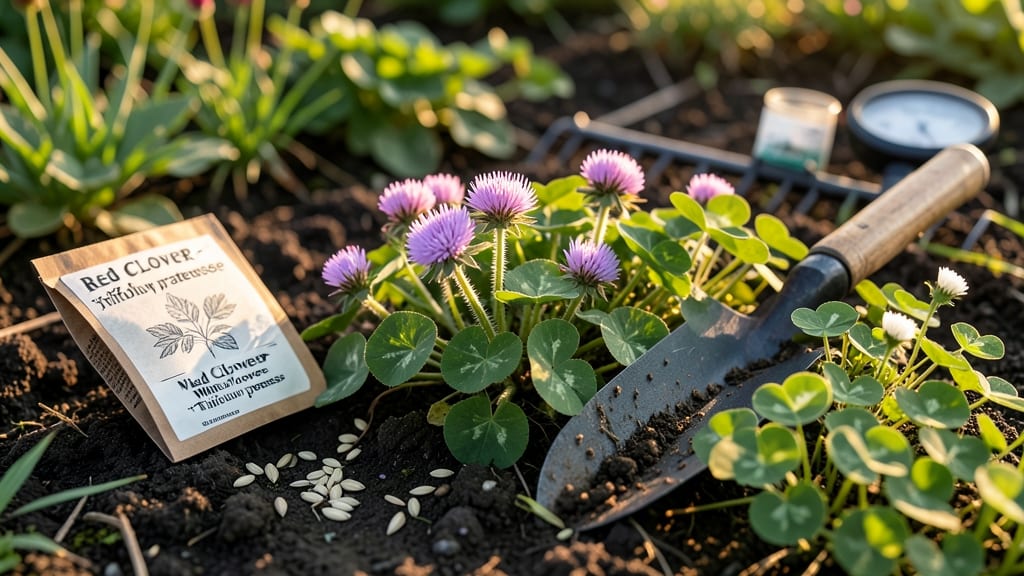
Timing your clover planting in Washington State could be the game-changer your lawn needs—especially when you consider the dramatic differences between the Puget Sound’s damp chill and Eastern WA’s dry heat.
Whether you’re aiming for a vibrant cover crop or a lush green lawn, getting the timing right means avoiding frost damage or missed growth windows.
I’ll break down the best months for planting 🌱 clover in your specific region, from the milder USDA Zone 7-8 of Western WA to the cooler Zone 5 of Eastern WA.
Spring and fall both offer opportunities, but each comes with its own set of challenges—like soil temperature and moisture levels. You’ll learn how to prep your soil, choose the right clover variety for your area, and even adjust for microclimates like the Puget Sound lowlands or the Columbia Basin.
Ready to transform your lawn? Let’s dive into the exact planting windows and tips that will give you the thickest, hardiest clover possible—no guesswork required.
Best planting windows for clover in Washington State by region
Washington State’s diverse climate—from the rain-soaked Puget Sound to the arid Columbia Basin—means your clover planting timing depends heavily on where you live.
For Western WA (USDA Zones 7-8), aim for early spring (March–April) or early fall (August–September), while Eastern WA (Zones 5-6) gardeners should plant late April–May or mid-August–early September. These windows align with soil warmth and moisture levels critical for germination.
In Western WA, white clover thrives best when planted in March, as cooler temperatures slow weed competition. Meanwhile, red clover—a faster grower—can handle April’s warmth and is often sown as a spring cover crop.
For Dutch white clover, a popular lawn option, late summer (August) planting lets it establish roots before winter rains arrive.
Eastern Washington’s hotter, drier summers shift the ideal window later. Plant red clover in late April–May to avoid summer drought stress, while white clover can wait until mid-August to benefit from fall rains.
Always check your last frost date: Western WA’s March 15 cutoff vs. Eastern WA’s April 15 gives you a clear deadline.
🌱 Clover Planting Windows by Region & Variety
| Region | USDA Zone | Best Spring Window | Best Fall Window | Varieties to Plant |
|---|---|---|---|---|
| Western WA (Puget Sound) | 7-8 | March 1–April 15 | August 1–September 15 | White clover, Dutch white clover |
| Western WA (Cascade Foothills) | 6-7 | March 15–April 30 | August 15–September 30 | Red clover, White clover |
| Eastern WA (Columbia Basin) | 5-6 | April 15–May 15 | August 15–September 10 | Red clover, Crimson clover |
| Eastern WA (Palouse) | 5 | May 1–June 1 (late spring) | September 1–15 (early fall) | Alsike clover, Red clover |
🌱 Pro Tip: Use a seed mix for lawns—Dutch white clover spreads faster than pure red clover.
For lawn clover mixes, prioritize spring planting in Western WA to outcompete weeds before summer. In Eastern WA, where summers are drier, fall planting ensures roots establish before winter. Always test soil moisture—clover seeds need consistent dampness to germinate, but avoid waterlogged soil, which causes rot.
If you’re planting clover as a cover crop, late summer (August) is ideal statewide. This gives plants time to grow before winter, suppressing weeds and improving soil health. For seed harvest, plant red clover in spring—it flowers by late June–July, perfect for drying seed pods.
Local Washington State University Extension offices recommend adjusting for microclimates. For example, San Juan Islands can plant 2 weeks earlier than Seattle due to milder winters.
Use frost-free day counts (150–220 days in Western WA, 120–180 in Eastern WA) as a guide—clover needs at least 90 frost-free days to thrive.
Never plant clover in late fall (October–November)—it won’t establish before winter. Instead, aim for <
Best planting windows for clover in Washington State by region
Washington State’s varied climate means white clover and red clover thrive best in different windows depending on whether you’re in the Puget Sound or Eastern WA.
In Western WA, cooler, wetter conditions favor early spring planting (March–April), while Eastern WA’s hotter summers push planting toward late winter to early spring (February–March). Dutch white clover, a popular lawn variety, adapts well to both but needs slightly earlier timing in cooler zones.
For Western WA (USDA Zones 7-8), aim for planting between March 15 and April 15 after the last frost date. This aligns with soil warming to 50°F, ideal for seed germination.
In Eastern WA (USDA Zones 5-6), where frosts linger longer, start as early as February 15 to capitalize on spring rains before summer drought sets in. Fall planting (August–September) is also viable in both regions but requires careful timing to avoid winter kill.
| Region | USDA Zone | Best Planting Window | Soil Temp | Notes |
|---|---|---|---|---|
| Western WA (Puget Sound) | 7-8 | March 15–April 15 (spring) or August 15–September 15 (fall) | 50–60°F | High humidity; avoid waterlogged soil |
| Eastern WA (Columbia Basin) | 5-6 | February 15–March 15 (spring) or September 1–October 1 (fall) | 45–55°F | Drier; irrigate if no rain |
| Cascade Foothills | 6-7 | March 1–April 1 (spring) or August 20–September 10 (fall) | 48–58°F | Cooler nights; extend fall window |
If you’re planting red clover, prioritize spring planting (March–April) in all regions, as it’s less cold-hardy than white clover. For Dutch white clover, which is more drought-tolerant, fall planting in September can be ideal in Eastern WA to establish roots before winter.
Always test soil pH (aim for 6.0–7.0) and loosen compacted areas to improve seed-to-soil contact.
For container-grown clover, start seeds indoors in February (Western WA) or March (Eastern WA) under grow lights, then transplant outdoors after last frost. This method gives you a head start in shorter growing seasons, especially in Zone 5 areas like Spokane.
Use a well-draining potting mix and keep soil consistently moist until seedlings are 2 inches tall.
Monitor local frost dates using the Washington State University Extension frost calendar, as late frosts can delay planting by 2–4 weeks. For example, Seattle’s average last frost is March 15, while Pullman’s is April 15. Adjust your timeline accordingly to avoid seedling damage or stunted growth.
Pro tip: Mix clover seeds with sand or compost for even distribution, especially in lawn overseeding. Aim for 1–2 pounds of seed per 1,000 sqft for a dense cover. Water lightly after planting to settle seeds into the soil without washing them away—critical in sloped or windy areas.