
Plants
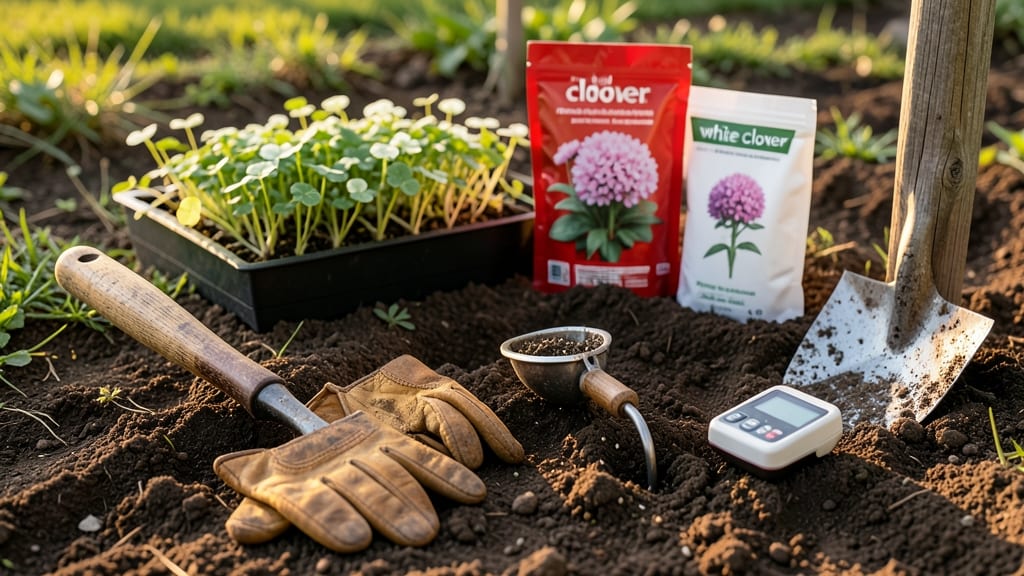
Timing your clover planting in Minnesota can make or break your success—especially when frost sneaks in like an uninvited guest.
Whether you're aiming for lush ground cover or soil enrichment, getting those seeds in the ground at the right moment is the key to fast, healthy growth in USDA Zone 4B.
Most gardeners in Minnesota know the drill: plant too early, and frost zaps your clover before it even takes root. Plant too late, and you miss the sweet spot for establishment before winter sets in.
The good news? With just a little strategy, you can learn how to work with Minnesota's unpredictable climate instead of against it.
Spring planting gives you that fast start when soil warms to 50°F or higher—typically by mid-April—but fall offers a second chance in August-September. Both windows have their perks, depending on your goals and local microclimate. Let's break down exactly when to plant for maximum success.
From soil prep to frost protection, I'll walk you through every step to ensure your clover thrives year after year. No more guessing—just proven techniques tailored to Minnesota's unique growing conditions.
Optimal planting windows for clover in Minnesota’s USDA Zone 4B
Timing is everything when planting clover in Minnesota’s USDA Zone 4B. The state’s unpredictable frost dates—last frost between mid-April and early May—mean you have two prime windows: early spring or late summer. Each offers unique advantages depending on your clover variety and goals.
For white clover, a hardy perennial, early spring planting (late March to mid-April) gives it 6-8 weeks of warm soil before summer heat. Red clover, better suited for forage or soil improvement, thrives when planted in late August to early September, allowing roots to establish before winter dormancy.
Minnesota’s northern regions (like Duluth) may need to delay spring planting by 1-2 weeks compared to southern areas (like Rochester). Always check your local frost-free date—planting too early risks seedling damage from late frosts.
🌱
If you miss the spring window, don’t panic—late summer planting (August) still works for red clover and alsike clover. The key is ensuring 6-8 weeks of growth before first frost (mid-October). Use a soil thermometer to confirm temperatures exceed 50°F—cold soil slows germination.
For lawn overseeding, aim for early September to let clover establish roots before winter. In southern Minnesota, you might squeeze in a late October planting, but cover seeds with straw mulch to protect from early frosts.
Pro tip: Mix clover seeds with ryegrass for faster germination in cool soils. The grass provides temporary shade while clover establishes its roots—a lifesaver in Minnesota’s variable spring weather.
🌿
Remember, clover thrives in competition. Planting too late leaves it vulnerable to weed pressure or drought stress. Use a seed starter fertilizer (low nitrogen) to give seedlings a head start in Minnesota’s competitive growing conditions.
For pollinator-friendly clovers, like honey clover, extend your window to late June—just be prepared to water deeply during summer dry spells. Always test your soil’s pH (6.0–7.0) before planting; clover struggles in acidic soils.
Soil temperature and weather conditions for successful clover germination
Clover seeds need consistent warmth to germinate, and Minnesota’s soil temperature swings can make or break your planting. Aim for 50°F (10°C) or warmer—this usually happens by mid-April in southern Minnesota but may wait until late April in the north.
A soil thermometer is your best friend here; don’t guess! Cooler soils delay germination, leaving young clover vulnerable to late frosts that can kill tender seedlings.
Moisture is just as critical. Clover seeds need even moisture to sprout, but Minnesota’s unpredictable spring rains can either drown seeds or leave them parched. Water lightly daily after planting to keep the top 1 inch of soil moist—no soggy clumps or dry crusts.
Mulching with straw or grass clippings helps maintain that perfect balance while protecting seeds from temperature fluctuations.
Watch the weather forecast closely in the days leading up to planting. If a hard freeze is predicted within 5–7 days, delay planting until conditions stabilize. Northern Minnesota gardeners should plan for 2–3 weeks later than their southern counterparts due to slower soil warming.
Even a single night below 32°F can stunt germination, so timing is everything.
⚠️ Frost Risk Alert
Never plant clover when nighttime temperatures dip below 40°F (4°C). Seeds won’t germinate, and young shoots will wilt instantly if exposed. Check the National Weather Service for your local frost advisory—especially in northern MN (Zones 3–4) where late springs are common.
Pro Tip: Use row covers or black plastic mulch to warm soil faster if you’re eager to plant early. These tricks can shave 1–2 weeks off your planting timeline.
Microclimates play a huge role in Minnesota. Urban areas like Minneapolis-St. Paul often warm up faster than rural farms due to the "heat island effect". Meanwhile, northern lakeside regions stay cooler longer.
Adjust your planting date by 1–2 weeks based on your specific location—when your neighbor plants might not be ideal for you.
If you’re planting in late summer/fall, aim for 6–8 weeks before the first frost (typically early September in southern MN, late August in the north). This gives clover time to establish roots before winter dormancy.
Fall-planted clover often outperforms spring plantings because it avoids weed competition and benefits from cooler autumn temperatures.
One last tip: Test your soil’s moisture-holding capacity before planting. Sandy soils dry out fast, while clay holds too much water. Amending with compost or peat moss improves both drainage and moisture retention—critical for clover’s success in Minnesota’s variable climate.
With the right prep, your clover will thrive even when Mother Nature throws curveballs.