
Plants
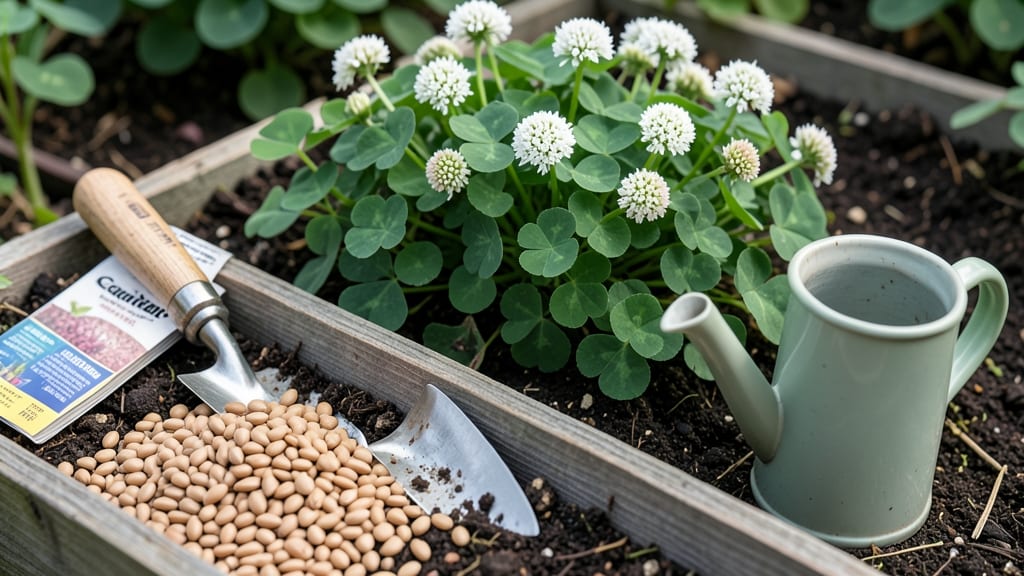
Planting clover in Illinois at the wrong time can mean the difference between a lush, thriving patch of 🌱 clover and a sad, frost-bitten disappointment. With USDA Zones 5-6 bringing unpredictable frost dates, timing isn't just important—it's everything.
Most gardeners in Illinois focus on spring planting, but fall offers a secret advantage for establishing clover before winter. The key is knowing your last frost date—typically around mid-April—and planning accordingly.
Whether you're aiming for early spring or late summer, getting it right ensures your clover takes root when conditions are perfect.
I'll walk you through the exact planting windows for both seasons, plus soil prep tips that make all the difference. By the end, you'll know exactly when to plant for maximum success in your Illinois garden.
Ready to transform your yard or garden into a thriving clover haven? Let's dive into the science-backed deadlines that work for USDA Zones 5-6—no guesswork, just results.
Optimal planting windows for clover in Illinois by USDA Zone
Clover thrives in Illinois' USDA Zones 5-6, but planting timing varies dramatically between spring and fall windows. In Northern Illinois (Zone 5), aim for late April to early May for spring planting, while Southern Illinois (Zone 6) can start as early as mid-March.
Fall planting works best from September 15 to October 15 across both zones.
Your last frost date is the critical deadline—planting too early risks frost damage, while waiting too long means slower establishment before winter. For white clover (perennial), spring planting is ideal, but red clover (annual) can handle late summer sowings for fall harvests.
Microclimates matter! Urban areas like Chicago (Zone 5b) may need to wait until May 1, while rural Southern Illinois (Zone 6a) can start 3 weeks earlier. Check your local Almanac frost dates to fine-tune timing.
For white clover, prioritize spring planting—it establishes roots slowly and needs 60+ frost-free days to mature. Red clover, however, can handle late summer sowings (August) for fall harvests, as it grows quickly and tolerates cooler soils.
My pro tip: Use black plastic mulch in early spring to warm soil faster, allowing you to plant 2-3 weeks earlier in Zone 5. Remove it once seeds sprout to prevent overheating.
Always test your soil's moisture retention before planting—clover hates soggy roots but needs consistent dampness to germinate. Aim for 1 inch of water per week during establishment, delivered through morning watering to reduce fungal risks.
Northern Illinois gardeners should mark their calendars for May 15 as the absolute latest for spring planting—after that, clover may not establish strong roots before winter. Southern Illinois growers have more flexibility, but don't push past October 15 for fall plantings.
Consider your clover's end goal: For livestock forage, plant red clover in late summer for a fall harvest. For soil enrichment, white clover planted in spring will fix nitrogen all season long.
Protect young seedlings with row covers if late frosts threaten—even 28°F can damage tender new growth. In my Zone 5b garden, I've seen clover bounce back from 30°F with proper cover, but below 25°F risks permanent damage.
Remember: Clover is resilient, but timing matters. Plant at the right window, and you'll enjoy lush growth all season—whether for bees, soil health, or livestock feed. 🌱
Optimal planting windows for clover in Illinois by USDA Zone
Planting clover in Illinois (USDA Zones 5-6) requires precise timing to avoid frost damage and maximize growth. The last frost date typically falls around mid-April in most regions, while the first frost arrives in mid-October. These deadlines create two ideal windows: early spring (March-April) and early fall (September-October).
For white clover (perennial), aim to plant 4-6 weeks before the last frost—usually by March 15th in Northern Illinois and March 1st in Southern Illinois.
This gives roots time to establish before summer heat sets in. Red clover (annual), however, thrives when planted late summer (August-September) for a fall-winter cover crop.
| Zone | Last Frost | First Frost | Spring Window | Fall Window |
|---|---|---|---|---|
| 5 (Northern IL) | Mid-April | Early October | March 15–April 15 | September 1–15 |
| 6 (Southern IL) | Late March | Mid-October | March 1–April 1 | September 15–October 1 |
Microclimates matter! If you live in urban areas or valleys, frost may arrive 1-2 weeks earlier. Check local Almanac frost dates or use a soil thermometer to confirm 50°F soil temps—the minimum for germination.
Planting too early risks frost-killed seedlings, while waiting too long may delay establishment.
For cover crop mixes, like crimson clover, extend your fall window to October 1st in Zone 6. These varieties tolerate cooler temps better and can overwinter for spring soil enrichment. Always water seeds lightly after planting to ensure soil-to-seed contact—critical for 60% germination rates.
Pro tip: Use black plastic mulch in early spring to warm soil faster and jumpstart growth. Remove it once soil temps hit 55°F to prevent overheating. In fall, mulch with straw to insulate young clover plants from early frosts.
Timing isn’t just about frost—it’s about moisture. Plant when 1 inch of rain is forecasted in the week after sowing. This ensures seeds don’t dry out before sprouting. Drought stress during germination can reduce yields by 40%, so plan ahead!