
Plants
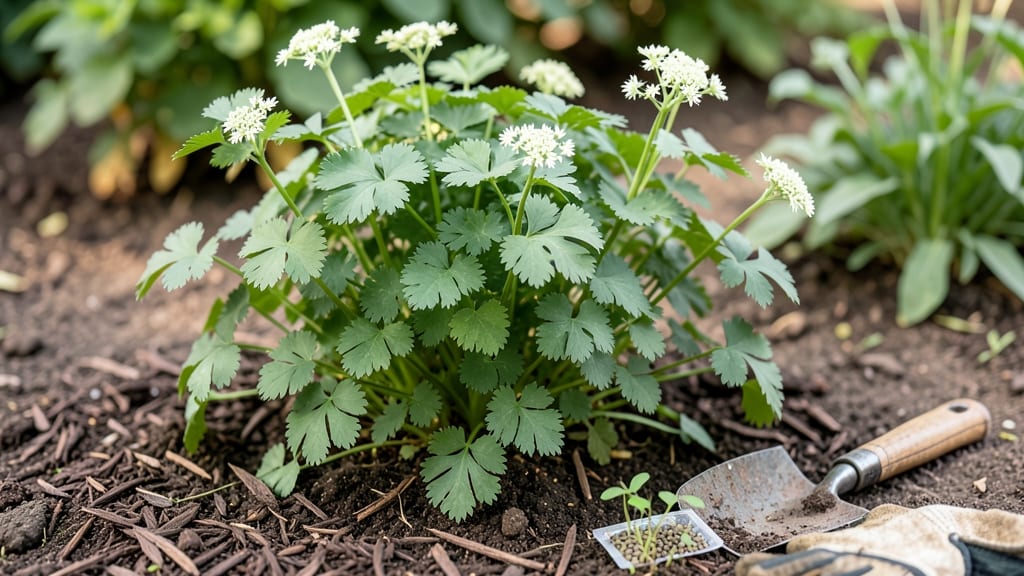
If you’ve ever planted cilantro in Missouri only to watch it bolt into flower by July, you’re not alone. The key to growing lush, flavorful 🌿 cilantro all season lies in planting at the right times—spring and fall—when temperatures play nicely with its cool-loving nature.
Missouri’s USDA zones 5b-7a mean you’ve got two prime windows: March-April for spring and August-September for fall. But here’s the catch—cilantro hates heat, so skipping summer planting saves you from bitter disappointment. Let’s break down the exact timing, soil prep, and heat-beating tricks to keep your cilantro thriving.
Why does timing matter so much? Because cilantro bolts (goes to seed) when stressed by heat or long days. By planting early or late in the season, you’ll dodge that fate and enjoy fresh leaves for months.
I’ll show you how to stretch your harvests with shade, succession planting, and the best varieties for Missouri’s climate.
Ready to grow cilantro that lasts? Grab your gloves—we’re turning those fleeting greens into a year-round staple. The secret starts with when you plant, and I’ve got the foolproof schedule you need.
Missouri’s ideal cilantro planting windows for bold harvests
Cilantro thrives in Missouri’s cool spring and fall seasons, but the state’s 90°F+ summers send it bolting faster than a firecracker on the 4th of July. To grow lush, flavorful cilantro year-round, you’ll need to time plantings precisely and use heat-defying strategies.
Missouri’s USDA zones 5b–7a mean your exact dates depend on microclimates, but these general windows work for most of the state.
Spring is your golden window—plant cilantro 4–6 weeks before your last frost date (typically mid-March to early April in most regions). This gives seedlings time to mature before summer’s heat arrives.
For example, if your last frost is April 15, aim for March 1–15 plantings. In cooler northern zones (like St. Joseph), you might push it to late February with row covers.
Fall plantings are equally critical. Sow cilantro 8–10 weeks before your first frost (usually mid-August to early September), ensuring a harvest before winter sets in. In southern Missouri (like Springfield), you can extend this to late September—just monitor weather forecasts.
The key is avoiding early October heat spikes, which trigger bolting.
Now, let’s break down the exact planting windows, heat tolerance limits, and how to stretch your growing season in Missouri’s climate.
Missouri’s summer heat is cilantro’s nemesis, but with the right timing, you can avoid bolting and enjoy fresh leaves. The spring window (March–April) is foolproof—just ensure soil temps stay below 80°F.
For fall, late August plantings give you a harvest before October’s heat spikes, while September sowings risk bolting if temps linger above 75°F.
If you’re tempted to try summer cilantro, plant only in deep shade (under trees or a 50% shade cloth) and choose heat-tolerant varieties like ‘Santo’ or ‘Calypso’.
Even then, expect bitter, bolted leaves—better to wait for cooler weather. For a year-round supply, combine spring and fall plantings with succession sowings every 2 weeks.
Extend your growing season by using row covers in early spring or cold frames in fall. In USDA zone 6 (like Columbia), you might squeeze in a late October harvest before frost, while zone 7 (e.g., Kansas City) allows November plantings under protection.
Always check your local frost dates—they vary by 5–10 days across Missouri.
Pro tip: Monitor soil temps with a thermometer—cilantro bolts when soil exceeds 75°F. In St. Louis, this happens by late May, so harvest or pull plants before they seed. For fall crops, aim to harvest by mid-October to avoid
Missouri’s ideal cilantro planting windows for bold harvests
Missouri’s USDA zones 5b-7a create a unique challenge for cilantro lovers—hot summers force this cool-season herb to bolt quickly. But with precise timing, you can enjoy flavorful harvests twice a year. The secret lies in planting during cooler months when temperatures stay below 80°F.
Spring is your first opportunity, with late March to mid-April being ideal. This gives seedlings time to mature before summer’s relentless heat arrives. For fall, aim for mid-August to early September, allowing cilantro to establish before the first frost hits in mid-October.
Missouri’s frost dates are your planting compass. Start seeds 4-6 weeks before your last frost date (typically mid-April), or sow directly in early spring when soil reaches 40°F. In fall, plant 6-8 weeks before the first frost for a second harvest.
| Season | Planting Window | Key Conditions | Harvest Window |
|---|---|---|---|
| Spring | Late March–Mid-April | Soil 40°F+, no frost risk | May–June |
| Fall | Mid-August–Early September | 6–8 weeks before frost | October–November |
| Summer (Risky) | June–July (shade only) | Partial shade, frequent water | Limited yield, bolting likely |
Summer planting is possible but high-risk. If you attempt it, focus on partial shade and heat-tolerant varieties like ‘Santo’. Even then, expect bolting within 3 weeks as temperatures climb above 85°F. For reliable harvests, stick to spring and fall.
Extend your growing season with row covers or cold frames in early spring. These protect seedlings from late frosts while maintaining ideal soil temperatures. In fall, use black plastic mulch to warm the soil and jumpstart growth after the first frost.
Missouri’s microclimates matter! Urban areas like St. Louis (zone 6a) can handle slightly later spring plantings than rural zones 5b. Always check your local frost dates and adjust by 1-2 weeks for safety. With these windows, you’ll enjoy fresh cilantro for salsas, soups, and salads—without the summer bolting blues.