
Plants
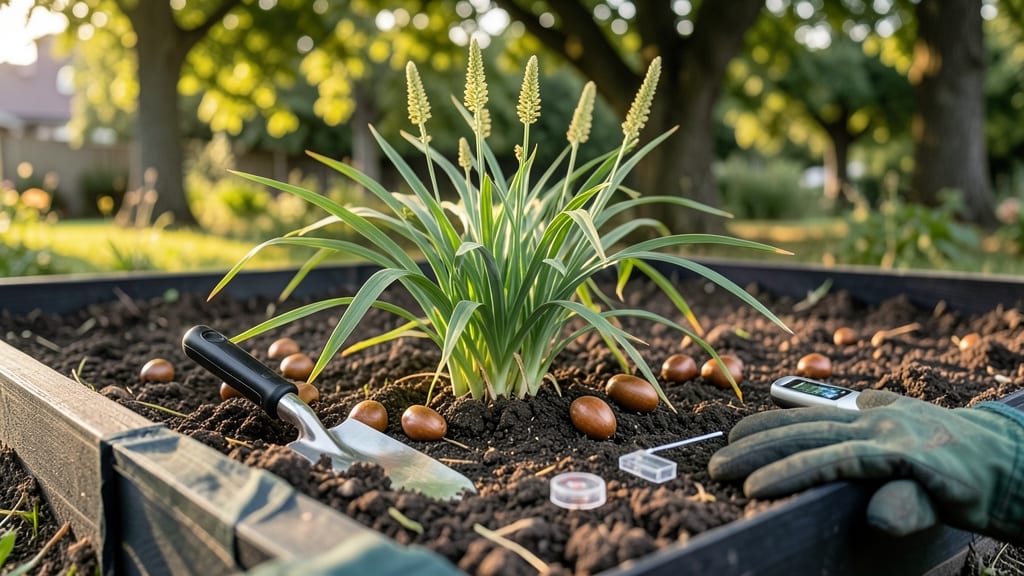
If you're dreaming of growing your own chufa 🌾 in Alabama, timing your planting just right could mean the difference between a bountiful harvest and wasted effort.
Alabama's mild winters and long growing season create the perfect conditions for this sun-loving tuber, but knowing exactly when to plant is the key to avoiding frost damage and maximizing those delicious tubers.
Most gardeners in Alabama's 7a-8b zones get two prime chances to plant chufa each year—spring and fall. The ideal windows are late February through early March or September through early October, just before the first frost typically settles in around mid-November.
This timing gives your plants enough warm weather to establish strong roots and develop those prized tubers before winter sets in.
What makes Alabama such a great place for chufa? Unlike northern regions that struggle with short growing seasons, Alabama's extended frost-free period (about 215 days) gives you plenty of time to grow this low-maintenance crop.
Whether you're in the coastal areas with their humid climate or inland regions with slightly drier air, understanding these seasonal patterns will help you plan for success.
In this guide, I'll walk you through exactly when to plant chufa in Alabama, how to prepare your soil for optimal growth, and what varieties work best in our unique climate. Let's get those tubers growing!
Best planting windows for chufa in Alabama heat zones 8A-8B
Alabama’s Heat Zones 8A-8B create a near-perfect environment for growing chufa (Cyperus esculentus), but precise timing ensures your crop thrives. The last spring frost typically occurs around March 15, while the first frost arrives by November 15.
This gives you two ideal planting windows: late winter/early spring and early fall.
For spring planting, aim for late February to early March when soil temperatures consistently reach 60°F (15°C). This timing aligns with Alabama’s 215 frost-free days, maximizing your growing season. If you miss this window, consider fall planting in September to establish roots before winter.
Chufa thrives in Alabama’s humid subtropical climate, but coastal areas (like Mobile) may experience slightly earlier frost dates. Inland regions (e.g., Birmingham) offer a longer growing window. Always check your local microclimate—urban areas can be 5-10°F warmer than rural zones.
🌱Pro Tip: Use a soil thermometer to confirm 60°F+ soil temps before planting—cold soil delays germination.
Alabama’s clay-heavy soils can slow warming—amend beds with compost or sand to reach optimal temperatures faster. For container growing, use black plastic pots to absorb heat and accelerate germination.
If you’re in Zone 8A (northern AL), prioritize spring planting to avoid early fall frosts. Zone 8B gardeners (southern AL) can safely plant into early October, extending the harvest window. Always monitor 10-day forecasts for cold snaps.
🌿Regional Adjustments: Coastal Alabama’s higher humidity may require better drainage to prevent tuber rot. Inland areas benefit from mulching to retain moisture during summer droughts.
For direct sowing, plant chufa seeds 1-2 inches deep and 6-12 inches apart in rows spaced 18 inches apart. This spacing accommodates Alabama’s high humidity while preventing fungal diseases. Thin seedlings to 6 inches apart once they reach 3 inches tall.
💧Watering Note: Keep soil consistently moist (not soggy) during germination—Alabama’s summer heat can dry soil quickly.
By aligning your planting with Alabama’s heat zone specifics, you’ll avoid frost damage and ensure high-yield chufa tubers. Next, we’ll cover soil preparation to give your crop the best start.
Best planting windows for chufa in Alabama heat zones 8A-8B
Alabama’s USDA Heat Zones 8A-8B create ideal conditions for chufa (Cyperus esculentus), but precise planting timing ensures strong germination and tuber development. The last spring frost typically occurs around March 15, while the first fall frost arrives by November 15.
These dates frame your two best windows: late winter/early spring and early fall.
For spring planting, aim for late February to early March when soil temperatures consistently reach 60°F (15°C). This gives tubers 120-150 frost-free days to mature before winter. In fall, plant between September and early October to allow tubers to establish before cooler weather sets in.
Here’s how Alabama’s microclimates affect timing: Coastal areas (like Mobile) can plant slightly earlier due to milder winters, while inland regions (like Birmingham) should wait until after March 15 to avoid late frosts. Soil temperature is more critical than air temperature—use a soil thermometer to confirm readiness.
🌱 Alabama Chufa Planting Windows Comparison
| Season | Best Months | Soil Temp Requirement | Days to Maturity | Alabama-Specific Tip |
|---|---|---|---|---|
| Spring | Late Feb - Early Mar | 60°F+ (15°C+) | 120-150 days | Wait until after March 15 for inland areas |
| Fall | Sep - Early Oct | 55°F+ (13°C+) | 90-120 days | Coastal areas can extend to mid-October |
If you miss these windows, consider container growing—chufa thrives in pots and can be moved indoors during extreme cold snaps. For summer planting, avoid June-August due to Alabama’s intense heat, which can stress young tubers.
Instead, focus on fall prep by planting in late summer for an early fall harvest.
Pro tip: Direct sow seeds rather than transplanting seedlings, as chufa dislikes root disturbance. Scatter seeds 1-2 inches deep and 6-12 inches apart in rows spaced 18 inches apart. This spacing prevents overcrowding and improves tuber development.
Monitor your plants closely for yellowing foliage, a sign of maturity. In Alabama’s climate, this typically occurs in October-November for spring plantings and December-January for fall plantings. Harvest before the first frost to protect your crop!