
Plants
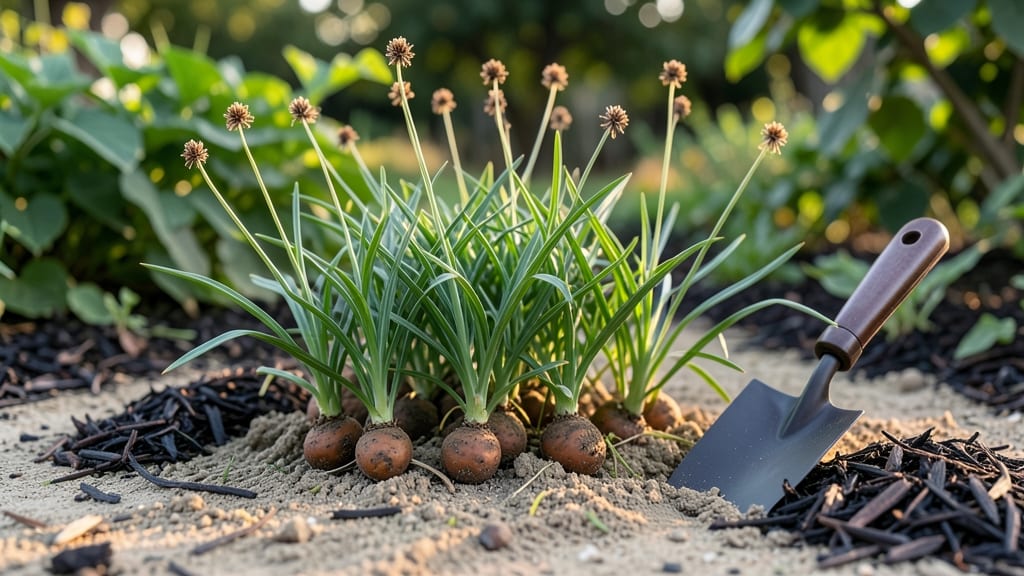
Knowing when to plant chufa in GA could mean the difference between a thriving harvest and wasted seeds—especially in Georgia’s unpredictable climate. This drought-resistant tuber loves the heat, but timing it wrong risks frost damage or stunted growth.
Whether you’re a first-time gardener or a seasoned grower, mastering the late February to April and September to October windows is key to success.
Chufa (🌾 Cyperus esculentus) thrives in Georgia’s 7b-8b zones, where warm winters and long growing seasons create perfect conditions. But even here, planting too early can expose young plants to late frosts, while waiting too long might cut your harvest short.
I’ll break down the exact dates to aim for, plus how to adjust based on your specific microclimate—whether you’re in Atlanta’s cooler hills or Savannah’s humid lowlands.
What makes chufa unique is its ability to handle Georgia’s heat and drought, but it still needs the right start. You’ll discover how soil temperature, rainfall patterns, and even your garden’s elevation can shift the ideal planting window.
Let’s dive into the proven strategies that’ll help you avoid common mistakes and get the most out of your chufa crop this season.
From pre-sprouting tips to soil prep secrets, I’ll cover everything you need to know to plant chufa with confidence. By the end, you’ll have a clear roadmap to turn your Georgia garden into a chufa powerhouse—ready for harvest just in time for late fall feasts**.
Optimal chufa planting dates in Georgia’s heat zone 8A
Georgia’s Heat Zone 8A offers a near-perfect climate for growing chufa (Cyperus esculentus), but timing your planting is critical to avoid frost damage and ensure a bountiful harvest.
Since chufa thrives in warm soil temperatures (70°F+), planting too early risks stunted growth, while waiting too long may shorten the growing season. Let’s break down the ideal planting windows for spring and fall in Georgia.
For spring planting, aim for the last frost date in Georgia, which typically falls around mid-March in most of Heat Zone 8A. However, chufa seeds need consistent warmth to germinate, so I recommend waiting until late March to early April when soil temperatures reliably stay above 65°F.
This gives your chufa plants enough time to establish roots before summer’s peak heat arrives.
If you prefer fall planting, the best window is September to early October. This allows tubers to mature before the first frost, usually hitting late November in Georgia. Fall-planted chufa often yields larger tubers because the cooler weather slows growth, directing energy into tuber development instead of foliage.
Here’s a quick reference for soil temperature requirements and planting readiness in Georgia:
| Stage | Action | Ideal Time |
|---|---|---|
| Soil Prep | Test pH (6.0-7.0), amend with compost | 2-4 weeks before planting |
| Spring Planting | Sow seeds 1" deep, 4-6" apart | Late March–Early April |
| Fall Planting | Sow seeds 1" deep, 4-6" apart | September–Early October |
| Germination | Keep soil moist, 70°F+ for best results | 7–14 days |
| Harvest Ready | Foliage yellows, tubers plump | Late September–November |
One key advantage of Georgia’s climate is the extended growing season. Unlike northern states, you won’t face harsh winters, so chufa can often be planted in both spring and fall successfully.
However, fall planting is generally preferred because it aligns with Georgia’s natural rainfall patterns, reducing the need for supplemental watering during tuber development.
To maximize your yield, pre-sprout your chufa seeds indoors 2–3 weeks before your target planting date. This head start ensures faster germination and a longer growing season. Simply place seeds in a damp paper towel, keep them in a warm spot (around 75°F), and transplant once sprouts appear.
This technique is especially useful if you’re planting in late March or early October, when soil temperatures may still be cool.
Another pro tip: mulch heavily after planting to retain soil moisture and warmth. Georgia’s summers can be intense, and chufa roots need consistent moisture to develop properly.
Use straw or shredded leaves—both work well and are easy to find locally. Just avoid piling mulch directly against the stems to prevent rot.
If you’re in a cooler microclimate within Georgia (like higher elevations in the north), consider using black plastic mulch to warm the soil faster. This can shave off 1–2 weeks from the germination time, giving your chufa a stronger start.
Just remove it once the plants are established to avoid overheating.
Finally, monitor your local frost dates closely. While Heat Zone 8A rarely sees frost, microclimates near mountains or lakes can experience unexpected chills. Use a frost-free date calculator (like the one from the National Weather Service) to fine-tune your planting schedule.
When in doubt, plant on the later side—chufa is forgiving once established!
Optimal chufa planting dates in Georgia’s heat zone 8A
Georgia’s Heat Zone 8A offers a near-perfect climate for growing chufa (Cyperus esculentus), but precise timing prevents frost damage and maximizes yields. The last frost date in most of Georgia falls around mid-March, giving you a 210-240 day frost-free window—ideal for chufa’s 120-150 day growth cycle.
Plant too early, and you risk light frost damage; too late, and your harvest suffers.
For best results, focus on two planting windows: late February to early April (spring) or September to October (fall). Spring planting gives you a full growing season, while fall planting avoids summer heat stress. Soil temperatures should reach at least 60°F (15°C) before planting—use a soil thermometer to confirm.
| Planting Window | Ideal Months | Soil Temp Requirement | Frost Risk |
|---|---|---|---|
| Spring Planting | Late February - Early April | 60°F+ (15°C+) | Low (post-last frost) |
| Fall Planting | September - October | 65°F+ (18°C+) | None (harvest before frost) |
| Avoid Planting | November - January | N/A | High (frost risk) |
Spring planting requires cold-hardy seed varieties if you start in late February, but most chufa seeds germinate best when soil temps are stable above 65°F (18°C). In Atlanta (Zone 8A), aim for March 15-April 15 to ensure tubers mature before summer heat sets in.
For Savannah (Zone 8B), you can push planting to April 1 safely.
Fall planting is often more reliable in Georgia because it avoids summer’s 90°F+ (32°C+) heat, which can stress chufa plants. Plant in September for a harvest by November, or go as late as October 15 if your first frost is late November.
Always check your local Almanac frost dates—Georgia’s coastal areas (like Brunswick) have 10-14 extra frost-free days compared to inland zones.
Pro tip: Use black plastic mulch to warm soil faster in spring or retain heat in fall. This can extend your planting window by 2-3 weeks on either end. Just
Finally, pre-sprout your seeds indoors 2-3 weeks before outdoor planting. Chufa seeds germinate slowly (14-21 days in cool soil), and a head start ensures even emergence. Soak seeds in warm water for 24 hours before planting to kickstart germination.