
Trees
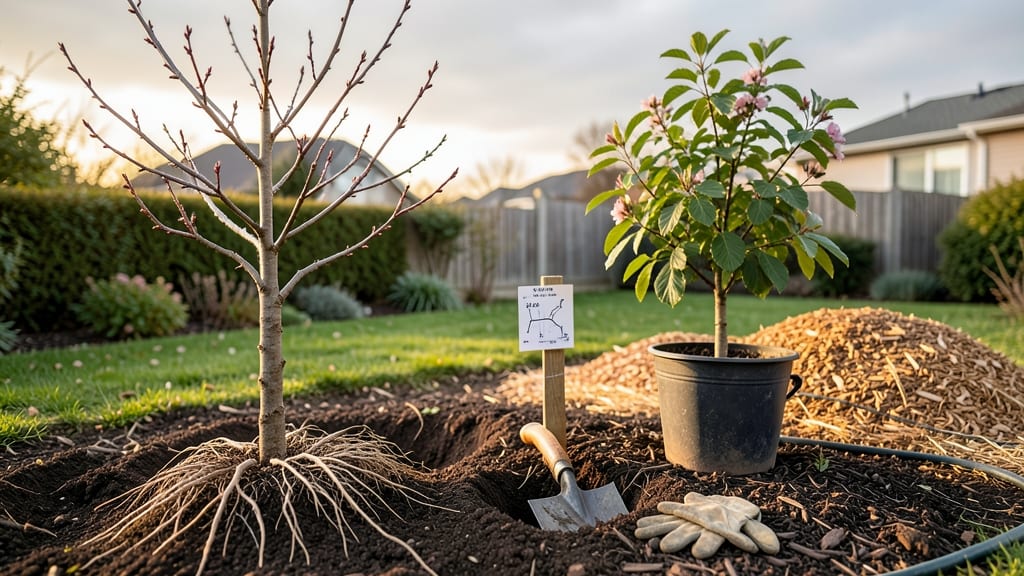
Timing your 🍒 cherry tree planting in Zone 5 isn't just about picking a month—it's about matching your tree's chill-hour needs with your region's climate to guarantee strong roots and sweet fruit.
Plant too early, and frost can damage tender shoots; too late, and the tree struggles to establish before winter. The key? Understanding your variety's dormancy cycle and local frost dates to lock in success.
Most gardeners in Zone 5 swear by fall planting—between September and October—when soil stays warm enough for roots to grow but temperatures drop to signal dormancy. But spring planting (late April to early June) works too, as long as you beat the last frost.
The difference? Fall-planted trees often bear fruit 1-2 years sooner because they focus energy on root growth instead of foliage.
Here's what you need to know: Dwarf varieties adapt better to late fall planting than standard trees, while tart cherries (like Montmorency) thrive with more chill hours than sweet varieties.
We'll break down exactly how to time it right for your specific cherry type—plus common mistakes that could derail your tree's first year.
Ready to plant? Let's walk through the step-by-step process—from soil prep to post-planting care—to ensure your cherry tree grows into a productive, long-lived centerpiece for your Zone 5 yard.

Best planting windows for cherry trees in Zone 5 by chill-hour requirements
Zone 5’s 500–1,000 chill hours demand precise timing for cherry trees—plant too early, and roots won’t establish before winter; too late, and spring growth suffers. The best windows are late April through early June (spring) or September through October (fall), aligning with dormancy cycles and soil warmth.
Sweet cherries like Stella® need 400–600 chill hours, while tart varieties such as Montmorency thrive with 800–1,000 chill hours. Hybrid cherries often fall in between, requiring careful variety selection to match your microclimate’s chill accumulation.
Spring planting (after last frost) gives roots 6–8 weeks to establish before summer heat, while fall planting (before 6 weeks to frost) lets roots harden before winter. Both methods work, but fall planting is ideal for Zone 5’s shorter growing season.
🌱
For dwarf varieties, timing is slightly more flexible—roots establish faster due to smaller canopies. However, standard trees need extra care in Zone 5’s shorter growing season, so prioritize fall planting to maximize root growth before winter.
Soil temperature is critical: roots won’t grow below 40°F. Use a soil thermometer to confirm warmth before planting in spring or ensure soil hasn’t cooled below 50°F in fall. Mulch heavily (4–6 inches) to regulate temperature and retain moisture.
In northern Zone 5 (e.g., Minnesota, Upstate NY), aim for late May planting to avoid late frosts, while southern Zone 5 (e.g., Oklahoma, Kansas) can plant as early as mid-April. Always check your local last frost date—delay planting if frost is forecasted within 2 weeks.
After planting, water deeply weekly for the first year to encourage root spread. In spring, apply a balanced fertilizer (10-10-10) at bud break, but avoid heavy feeding in fall—it stimulates late growth vulnerable to frost damage.
🌿
Best planting windows for cherry trees in Zone 5 by chill-hour requirements
Zone 5’s 500–1,000 chill hours dictate when to plant cherry trees—timing affects root growth and fruit production. Sweet cherries like Stella® need 600–900 chill hours, while tart varieties like Montmorency thrive with 500–700 chill hours. Planting outside these windows risks weak establishment or winter damage.
For spring planting, aim for late April to early June after the last frost (typically mid-May in Zone 5). This gives roots 4–6 weeks to establish before summer heat. Fall planting is ideal in September–October, allowing roots to grow before dormancy sets in.
🌱
Dwarf varieties like Stella® or Balaton adapt better to late spring planting due to their smaller root systems. Standard varieties (e.g., Bing) need earlier fall planting to establish deeper roots before winter. Always check your last frost date—planting too early risks frost damage to new growth.
Soil temperature is critical: roots struggle to grow below 40°F or above 85°F. Use a soil thermometer to confirm 50–65°F before planting. In northern Zone 5 (e.g., Minnesota), prioritize fall planting; in southern Zone 5 (e.g., Virginia), spring planting works better.
🌿