
Plants
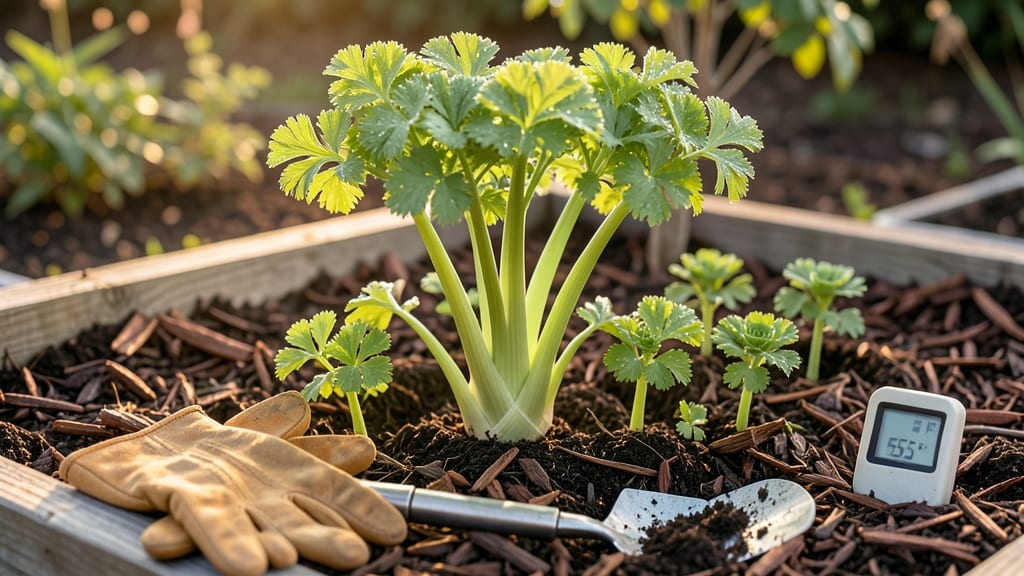
Planting celery in Louisiana might seem tricky with its scorching summers and humid air, but getting the timing right can transform your garden into a crisp, flavorful harvest.
The key is understanding when to plant celery in Louisiana to beat the heat and avoid bolting—those bitter, flowery stalks we all dread.
Louisiana’s 8a-9b climate means celery thrives best in cooler months, but with the right strategies, you can still grow it successfully. Whether you're a seasoned gardener or just starting, knowing the ideal planting windows—like late January to early April or August to September—will make all the difference.
I’ll walk you through the best varieties for your region, like 'Tall Utah' or 'Golden Self-Blanching', and how to prep your soil for maximum growth. With these tips, you’ll be harvesting thick, juicy 🥬 stalks even in the heat.
Ready to grow celery that’s bold and flavorful? Let’s dive into the secrets of Louisiana gardening that’ll keep your celery happy and your kitchen stocked year-round.
Optimal planting windows for celery in Louisiana’s hot climate
Celery thrives in Louisiana’s cool seasons when temperatures stay between 50°F and 75°F. Planting outside this range risks bolting—when celery sends up flower stalks instead of growing crisp stalks.
The key is to time your planting for spring and fall, avoiding the brutal summer heat that can stress even the hardiest varieties.
In Louisiana’s USDA Zones 8a-9b, the last frost date typically falls around February 15, while the first frost arrives around December 1.
This gives you a 240-280-day frost-free window, perfect for two planting cycles: late January to early April for spring and August to September for fall.
New Orleans’ humid subtropical climate (Zone 9a) allows for slightly later spring plantings than Shreveport’s hotter summers (Zone 8a). If you’re in the northern half of the state, aim for February to March plantings, while southern growers can push into early April without risking heat stress.
Soil temperature is just as critical as air temperature. Celery seeds won’t germinate well in soil colder than 50°F. Use a soil thermometer to confirm readiness—if it’s below this threshold, wait or start seeds indoors 10-12 weeks before transplanting.
For fall plantings, August is ideal in most of Louisiana, but Shreveport growers should plant by mid-August to avoid early October heat waves. In New Orleans, you can stretch into early September thanks to the Gulf’s moderating influence.
🌱 Louisiana Celery Planting Timeline
| Season | Planting Window | Soil Temp | Key Notes |
|---|---|---|---|
| Spring | Late Jan - Early Apr | 50°F+ | Start seeds indoors by Feb 15 |
| Fall | Aug - Sep | 65°F-75°F | Avoid planting after Sep 15 in north LA |
| Summer | ❌ Not Recommended | N/A | Heat >85°F causes bolting |
💡 Pro Tip: Use shade cloth (30-50%) for late spring/early fall plantings to protect seedlings from intense sun.
If you’re in urban areas like Baton Rouge or Lafayette, microclimates near water bodies can extend your growing season by 1-2 weeks. Test your soil’s pH (6.0-7.0) and amend with compost—celery hates soggy roots but needs consistent moisture.
For container growing, use 5-gallon pots and plant in May or September when daytime highs stay below 85°F. Containers warm up faster, so monitor soil moisture closely with your finger—it should feel damp but not waterlogged.
Remember: Celery is a cool-season crop, and Louisiana’s climate demands patience. Rush your planting, and you’ll end up with bitter, stringy stalks or worse—flowering plants that never produce the crisp harvest you crave. Plan ahead, and you’ll enjoy homegrown celery year-round.
🌿 For extended harvests, try succession planting every 2-3 weeks during your ideal windows. This ensures a steady supply of fresh celery for soups, salads, and stir-fries all season long.
Optimal planting windows for celery in Louisiana’s hot climate
Celery thrives in Louisiana’s cooler months when temperatures dip below 80°F. The ideal planting windows are late January to early April for spring harvests and August to September for fall crops. These timings avoid the sweltering summer heat that causes celery to bolt prematurely.
Louisiana’s USDA zones 8a-9b mean you’ll face last frost dates around February 15 and first frosts in December. Planting too early risks frost damage, while waiting too long exposes seedlings to heat stress. Aim for 50-60°F soil temperatures before sowing.
For New Orleans (hotter microclimate), extend fall planting to mid-October to push harvests into December. In Shreveport (cooler nights), you can start spring seeds as early as January under row covers to jumpstart growth.
🌱 Louisiana Celery Planting Timeline
| Season | Planting Window | Soil Temp | Harvest Window |
|---|---|---|---|
| Spring | Late Jan - Early Apr | 50-60°F | April - June |
| Fall | August - September | 65-75°F | October - December |
| Summer (Risky) | June - July | Above 80°F | Bolting likely |
💡 Pro Tip: Use shade cloth (30-50%) in summer to protect seedlings if attempting June plantings.
Direct sowing in Louisiana’s humid climate works best after mid-March when nighttime temps stay above 55°F. For earlier starts, start seeds indoors under grow lights 10-12 weeks before last frost. Harden off seedlings for 7-10 days before transplanting.
Monitor soil moisture closely during transition periods (March-April and September-October). Celery roots are shallow, making them vulnerable to drought stress or waterlogging. Aim for 1-1.5 inches of water weekly, delivered in the early morning to prevent fungal diseases.
In urban gardens with limited space, opt for container growing using 5-gallon pots. This gives you flexibility to move plants to shadier spots during peak afternoon sun (1 PM - 4 PM). Just ensure pots have drainage holes to prevent root rot.
Remember: Patience is key! Louisiana-grown celery takes 120-140 days to mature. The first harvest won’t come until late spring or fall, but the flavor and texture will be worth the wait. 🥬