
Companion Plants
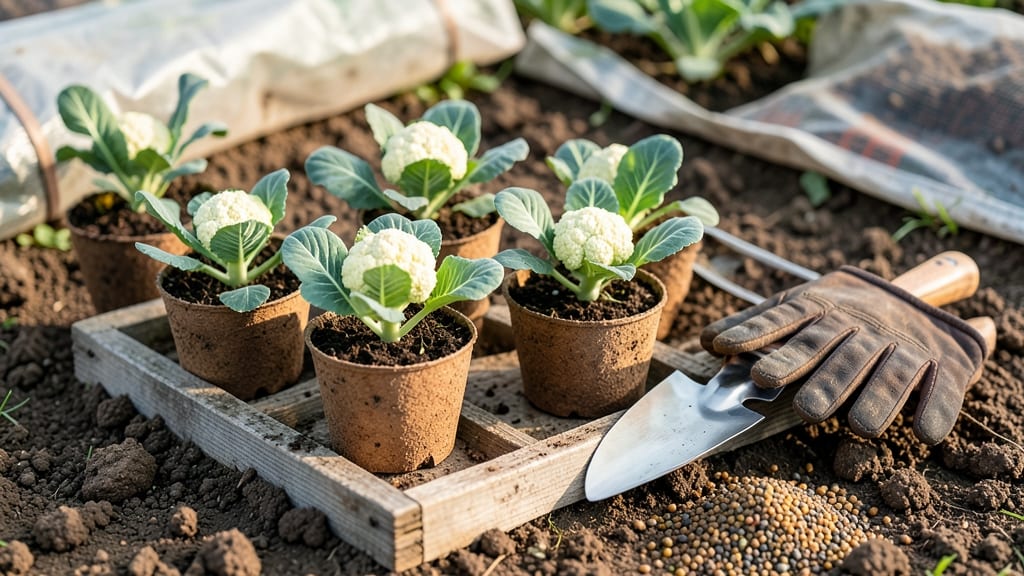
When to plant cauliflower in Pennsylvania means the difference between a 90-day harvest and wasted effort. With frost dates that shift yearly and microclimates varying from urban Philadelphia to rural farmland, getting this right takes more than just following a calendar.
You might assume planting early guarantees success, but late frosts in USDA zones 5b-7a can still catch young plants off guard. The key is understanding when soil temperatures hit 45°F—the magic number for healthy root establishment—and how to adjust for your specific corner of the state.
In this guide, I’ll break down the exact transplant windows for spring and fall crops, including how to stretch your growing season with row covers or cold-hardy varieties.
Whether you’re a first-time gardener or a seasoned pro, these timing tips will help you avoid the two biggest mistakes that ruin cauliflower harvests.
Ready to turn your garden into a cauliflower powerhouse? Let’s dive into the science—and the simple strategies—that make all the difference in Pennsylvania’s unpredictable climate.
Best transplant timing for cauliflower in Pennsylvania’s climate zones
Pennsylvania’s 5b-7a USDA zones mean your cauliflower transplant timing must account for last frost dates and 90-day harvest windows. Most regions experience April 15 as the average last frost, but microclimates—especially in cities like Philadelphia or Pittsburgh—can vary by 1-2 weeks.
Urban areas often warm faster, while rural zones may need extra patience.
For spring transplants, aim to set out 4-6 weeks before your last frost. This means mid-March to early April for most of PA. If you’re in Zone 5b (northwest PA), wait until late March to avoid late-spring frosts that can damage young plants.
Southern PA (Zone 7a) can start as early as February indoors for early April transplants.
Here’s the key: Soil temperature must reach 45°F+ for successful transplanting. Use a soil thermometer to confirm—cold soil slows root growth and invites rot. In cooler zones, opt for cold-hardy varieties like ‘Snowball Y Improved’ or ‘Purple of Sicily’ to shave off 5-7 days of heat requirements.
Fall planting is trickier but rewarding. Start late July to early August for a September-October harvest before the first frost (typically October 15). Use row covers to extend the season by 2-3 weeks, protecting plants from light frosts (down to 28°F).
Avoid planting after August 15—summer heat causes bolting (premature flowering).
Microclimates matter! Urban gardens in concrete-heavy areas (like downtown Philly) can be 5°F warmer than rural fields, allowing 1-2 weeks earlier planting. Conversely, valley regions (e.g., Lehigh Valley) may hold frost longer. Check your local Cooperative Extension frost maps for precision.
| Zone | Last Frost | Transplant Window | Fall Planting | Harvest Window |
|---|---|---|---|---|
| 5b (NW PA) | April 22 | Late March–April 10 | Late July–Aug 5 | Sept 15–Oct 5 |
| 6a (Central PA) | April 15 | Mid-March–April 1 | July 20–Aug 10 | Sept 5–Oct 10 |
| 7a (SE PA) | March 25 | Feb 20–March 20 | July 30–Aug 15 | Sept 10–Oct 15 |
🌱 Note: Adjust 1 week earlier for urban heat islands, 1 week later for high-altitude areas.
Pro tip: Hardening off transplants is critical in PA’s variable spring weather. Acclimate seedlings to outdoor temps 7-10 days before transplanting by moving them to a shady, sheltered spot daily.
Start with 2 hours and gradually increase to 24 hours. Skip this step, and you risk transplant shock from sudden temperature swings.
For container growing, use 5-gallon pots or larger to accommodate root growth. Plant 2-3 weeks later than in-ground transplants since pots warm faster and dry out quicker. Place containers in south-facing spots and monitor soil moisture daily—containers lose water 3x faster than garden beds.
Remember: Cauliflower hates heat. If you’re in Zone 7a and transplant after May 15, expect bolting (flowering instead of head formation). For late-season success, choose heat-tolerant varieties like ‘Cheddar’ or ‘Violet Queen’ and provide afternoon shade cloth during 85°F+ days.
Finally, mark your calendar for June 1—this is your last chance to start fall transplants in most of PA. After this date, days shorten too quickly for a 90-day harvest before frost. Use a planting calendar
Best transplant timing for cauliflower in Pennsylvania’s climate zones
Pennsylvania’s USDA zones 5b-7a mean your cauliflower transplant timing depends on microclimates—from Pittsburgh’s cooler springs to Philadelphia’s slower fall frosts. The key is planting 4-6 weeks before your last frost date, with soil temperatures above 45°F (7°C).
For most of PA, this translates to mid-March to early July for spring crops and late July to early September for fall harvests.
Cauliflower thrives on 90-day growing seasons, so count backward from your first frost date. In Zone 5b (northwest PA), aim for transplants by May 1 for summer harvests.
In Zone 7a (southwest PA), you can push fall plantings until August 15 for late-season crops. Rural areas with warmer microclimates may extend windows by 1-2 weeks.
Urban gardeners in Philadelphia or Pittsburgh often face delayed soil warming due to concrete heat absorption. Test soil temperatures with a soil thermometer—wait until it hits 50°F (10°C) before transplanting. For container growing, use black pots to absorb heat faster in cooler microclimates.
Pro tip: Start cold-hardy varieties like 'Snowball Y Improved' 2-3 weeks earlier than heat-sensitive types. These tolerate brief frosts and extend your spring harvest window by 10-14 days. Always harden off seedlings for 7-10 days before transplanting to avoid shock in PA’s variable spring winds.
Remember: Late June plantings risk bolting from summer heat. If you miss the spring window, opt for shade cloth (30-50%) to protect transplants during July-August heatwaves. Fall crops benefit from row covers to shield against early October frosts.
Timing isn’t just about dates—it’s about soil, sun, and survival. With PA’s unpredictable weather, flexibility is key. Monitor your local agricultural extension service for frost alerts, and keep a planting journal to refine your schedule each year. 🌱