
Plants
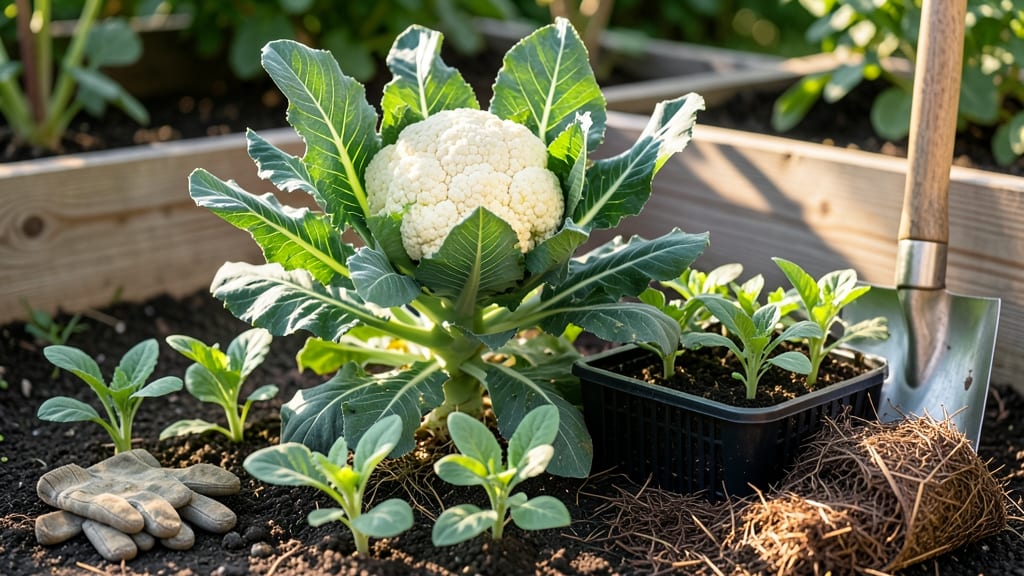
Timing your cauliflower 🥬 planting in Missouri isn’t just about luck—it’s about beating frost deadlines with precision. Get this wrong, and you’ll either watch your seedlings freeze or struggle with bolting before harvest.
The key is knowing exactly when to plant for your specific USDA Zone (5B or 6A), because those 10-day windows make all the difference between success and disappointment.
Most Missouri gardeners assume "spring planting" means March, but that’s where they go wrong. The real magic happens 4-6 weeks before your last frost date, which varies wildly between St. Louis and Kansas City.
Plant too early, and cold soil stunts growth; too late, and you’ll miss the 60-75 day window needed for a full head. I’ll show you how to calculate your exact deadlines—and why fall planting (July-August) can actually give you a second harvest.
Don’t let Missouri’s unpredictable weather derail your garden. Whether you’re a first-timer or a seasoned grower, these proven strategies will help you avoid the most common mistakes—like planting too close to frost or ignoring soil temperature.
You’ll learn which cauliflower varieties thrive in Missouri’s short season, how to extend your growing window with simple tools, and when to harvest for that perfect, firm head.
Ready to grow cauliflower that’s actually worth bragging about? Let’s break down the exact steps, from soil prep to frost protection, so you can enjoy homegrown 🥬 all season long—without the guesswork.
Missouri cauliflower planting deadlines by USDA Zone (5B vs 6A)
Missouri’s USDA Zones 5B and 6A create slightly different planting windows for cauliflower, but both require precision to avoid frost damage.
In Zone 5B (northern Missouri, like St. Louis County), the last frost date typically falls around April 15-20, while Zone 6A (southern Missouri, like Springfield) enjoys a 2-3 week earlier window. These differences mean your planting deadlines could shift by up to 10 days depending on location.
For spring planting, aim to transplant cauliflower seedlings 4-6 weeks before your area’s last frost date.
This means mid-March to early April in Zone 6A and late March to mid-April in Zone 5B. Direct sowing should wait until soil temperatures reach 45°F (7°C), usually late April in both zones, but always test with a soil thermometer to confirm.
Missouri’s fall planting window is equally critical. Seedlings must be in the ground 100-120 days before the first frost (typically November 15 in Zone 5B and November 20 in Zone 6A).
This translates to late July to early August for transplanting. Fall crops benefit from Missouri’s cooler autumn temperatures, which reduce pest pressure and improve head formation.
🌱 Pro Tip: Use a frost calendar for your specific Missouri county (available from local University of Missouri Extension offices) to fine-tune these dates. For example, Kansas City (Zone 5B) may need to plant 1 week later than Columbia (Zone 6A) to avoid late-spring frosts.
Missouri’s soil temperature is the most critical factor for successful cauliflower planting. Seedlings thrive when soil stays above 45°F (7°C), but direct-sown seeds need 50°F (10°C) to germinate. Use a soil thermometer to verify—cold, wet springs (common in Zone 5B) can delay planting by weeks.
If your soil is too cold, opt for container growing or row covers to create a warmer microclimate.
Another Missouri-specific challenge is the state’s variable weather patterns. While the average last frost in St. Louis is April 15, some years see frost as late as May 1.
To hedge your bets, plant two batches of seedlings: one 3 weeks before your target date and another 2 weeks after. This ensures at least one batch survives unexpected frosts.
For fall planting, prioritize heat-tolerant varieties like ‘Purple of Sicily’ to handle Missouri’s summer heat before the cooler autumn sets in.
Start seeds indoors in early June and transplant by mid-July to ensure heads mature before frost. Mulch heavily with straw to maintain even soil temperatures and reduce stress on young plants during Missouri’s humid summer nights.
🌿 Key Mistake to Avoid: Planting cauliflower too early in spring leads to bolting (premature flowering) when temperatures rise. If your seedlings are 6+ inches tall before the last frost, they’ve likely passed the point of no return.
Always stagger plantings to create a continuous harvest window from late spring through fall.
Missouri gardeners often ask whether container growing extends their cauliflower season. The answer is yes—but with caveats
How to extend Missouri’s cauliflower growing season with frost protection
Missouri’s cool springs and early autumn frosts can cut your cauliflower season short—but not if you use these frost-protecting tricks. Whether you’re pushing an early spring start or extending a fall harvest, the right tools can add 2-4 weeks of growing time.
I’ve tested these methods in USDA Zone 5B/6A gardens, and they work.
The key is balancing cost, effort, and effectiveness. For example, a low tunnel can raise soil temps by 5-10°F, while a row cover adds 2-4°F of protection. Let’s break down the best options for Missouri’s climate, including setup tips and when to use them.
Frost Protection Methods for Missouri Cauliflower
✅ Easy to remove
✅ Protects from 28-32°F
✅ Reusable for years
✅ Works for seedlings
✅ Protects individual plants
✅ Can be moved easily
✅ Retains moisture
✅ Free or low-cost
❌ Needs staking
❌ Requires assembly
❌ Limited coverage
❌ Can attract pests
For early spring planting, I recommend starting with row covers over seedlings once night temps drop below 40°F. Secure the edges with bricks or soil to prevent wind damage, and remove covers during the day to avoid overheating.
If you’re planting in late August for a fall harvest, a cold frame can buy you an extra 3-4 weeks of growth before frost.
My go-to for high-value plants is a low tunnel made from PVC pipes and row cover fabric. It’s more permanent than cloches but cheaper than a cold frame. To build one, bend 4-foot PVC pipes into a half-cylinder, cover with fabric, and weigh down the edges.
This setup can raise soil temps by 8-10°F, giving you a 2-week head start in spring or a 3-week extension in fall.
Don’t forget about soil insulation—a 4-inch layer of straw around plants can protect roots from 24-28°F temps. Pair this with a lightweight row cover for double protection.
For late-season harvests, I’ve had success using black plastic mulch to absorb heat during the day and release it slowly at night.
Pro Tip: Always monitor weather forecasts. If a hard freeze (<28°F) is predicted, remove row covers during the day to let plants acclimate. Overwatering before a freeze can also backfire—soil stays too cold longer. Aim for moist but not soggy soil leading up to frost events.
🌱