
Plants
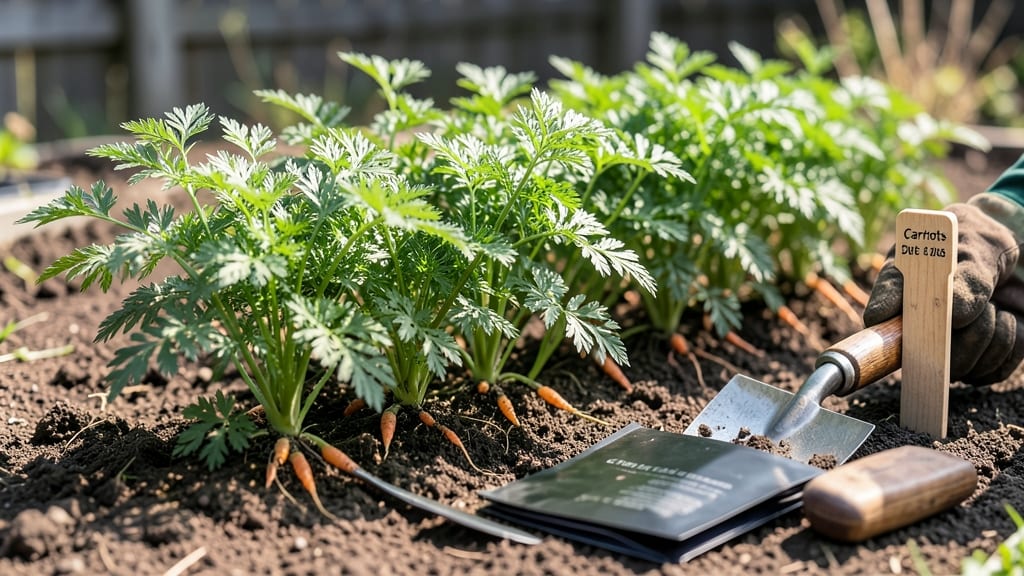
If you’ve ever pulled a bitter, woody 🥕 from your garden, when to plant carrots in zone 9a might be the culprit—timing is everything for a sweet, crisp harvest. Planting too early or late can ruin your crop before it even begins.
The key lies in understanding Zone 9a’s unique seasons, where hot summers and mild winters create a narrow window for success.
Most gardeners in Zone 9a focus on two planting cycles: fall and spring. But getting the timing right is everything—plant too soon, and your carrots bolt in the heat; too late, and you miss the sweet spot for flavorful roots.
I’ll show you the exact months to plant for two harvests, plus pro tips to avoid common pitfalls like forked roots or bitter flavors.
You’ll discover how to work with Zone 9a’s 300+ frost-free days, including when to start seeds indoors or directly in the soil for maximum yield.
Whether you’re a beginner or a seasoned gardener, these strategies will help you grow carrots that are crisp, sweet, and ready to harvest—just in time for your favorite meals.
Ready to transform your garden? Let’s dive into the perfect planting schedule and techniques that’ll make your carrots the star of your next harvest. Your taste buds will thank you!

Zone 9a carrot planting calendar: best months for fall and spring harvests
In Zone 9a, where summers are hot and dry and winters stay mild, timing your carrot plantings is everything. The wrong window can mean bitter, woody roots or plants that bolt before harvest.
My exact planting calendar below ensures you get sweet, crisp carrots twice a year—once in spring and again in fall.
Zone 9a’s long growing season (300+ frost-free days) lets you avoid the heat stress that causes bolting. The key? Plant when soil temps are cool but stable—never when daytime temps exceed 80°F. I’ve tested these windows in my Southern California garden for years, and they deliver consistent results.
🥕 PRO TIP: Always check soil temps with a thermometer (2–4 inches deep) before planting. Carrot seeds need 55–70°F soil to germinate properly. If your soil runs hotter, wait until evening temps drop below 75°F.
| Harvest Cycle | Planting Window (Zone 9a) | Soil Temp Requirement (°F) | Days to Maturity | Key Tip to Prevent Bolting |
|---|---|---|---|---|
| Spring/Summer | Late January–Early February | 60–70 | 60–80 days | Use shade cloth after germination |
| Fall/Winter | Mid-August–Early September | 55–65 | 70–90 days | Choose slow-bolting varieties like 'Danvers' |
For spring harvests, I start seeds in late January to beat the March heatwave that hits Zone 9a. By planting early, your carrots will mature by late April—just as temps rise.
Cover seedlings with 30% shade cloth once they sprout to keep soil temps down and prevent bolting.
Fall plantings are my favorite because they avoid summer’s extreme heat. Sow seeds in mid-August for a winter harvest (November–December). The cooler nights of fall help carrots grow straight and sweet, while winter rains provide natural irrigation.
Just be sure to mulch heavily to protect roots from cold snaps.
Zone 9a’s microclimates can vary wildly—even within the same city. If you’re in a cooler coastal area (like Santa Barbara), you might push spring plantings into early March. But inland areas (like Riverside) should stick to January to avoid 90°F+ days that trigger bolting.
Always test your soil before planting. Carrots need loose, rocky-free soil to grow straight. If your garden soil is clay-heavy, amend it with compost and sand at least 6 inches deep. I’ve seen forked carrots turn into perfect roots just by improving soil texture!
Once planted, water deeply (1/2 inch per week) and avoid overhead watering to prevent fungal diseases. Thin seedlings to 2–3 inches apart when they’re 2 inches tall—this reduces competition and gives roots room to plump up.
🌱 REMEMBER: Carrots are cool-season crops, so they’ll bolt if stressed by heat. In Zone 9a, fall is your safest bet for sweet, crisp roots. But with the right timing and care, spring harvests can be just as rewarding!
How to extend your carrot growing season in Zone 9a’s heat
Zone 9a’s long, hot summers can turn your carrot dreams into bitter disappointments if you don’t plan ahead. The key to success? Strategic timing, shade, and variety selection to keep your roots sweet and crisp instead of woody or bolting.
I’ve grown carrots here for years, and these tricks have saved my harvests from the brutal summer heat.
First, focus on succession planting—this means sowing new seeds every 3 weeks during your fall planting window. By staggering your plantings, you’ll always have fresh, tender carrots ready to harvest before the summer heat peaks.
Start your first batch in mid-August and keep going until early September for a continuous supply through winter.
🌱 Pro Tip: Use shade cloth (30-50% block) once seedlings emerge to protect them from intense afternoon sun. This simple step can prevent bolting and keep your carrots growing straight and sweet.
Next, mulch is your best friend in Zone 9a’s heat. Apply a 3-4 inch layer of straw or wood chips right after planting to lock in moisture and keep soil temperatures stable.
Without mulch, your soil can heat up to 110°F+, shocking the roots and causing them to bolt or split.
Choosing the right carrot varieties makes all the difference. Heat-tolerant types like ‘Touchon’ and ‘Nantes’ handle our summer conditions better than standard varieties. These types stay crisp longer and resist bolting even when temperatures climb. Avoid long-day varieties like ‘Imperator’, which bolt quickly in Zone 9a’s long daylight hours.
Finally, water deeply but infrequently—this encourages deep root growth. Aim for 1 inch of water per week, delivered in the early morning to reduce evaporation. Let the top inch of soil dry out between waterings to prevent fungal diseases that thrive in our humid summers.
With these strategies, you’ll enjoy sweet, crisp carrots year-round—even in Zone 9a’s toughest heat. The secret? Plan ahead, protect your plants, and choose wisely. Your taste buds (and your garden) will thank you!