
Plants
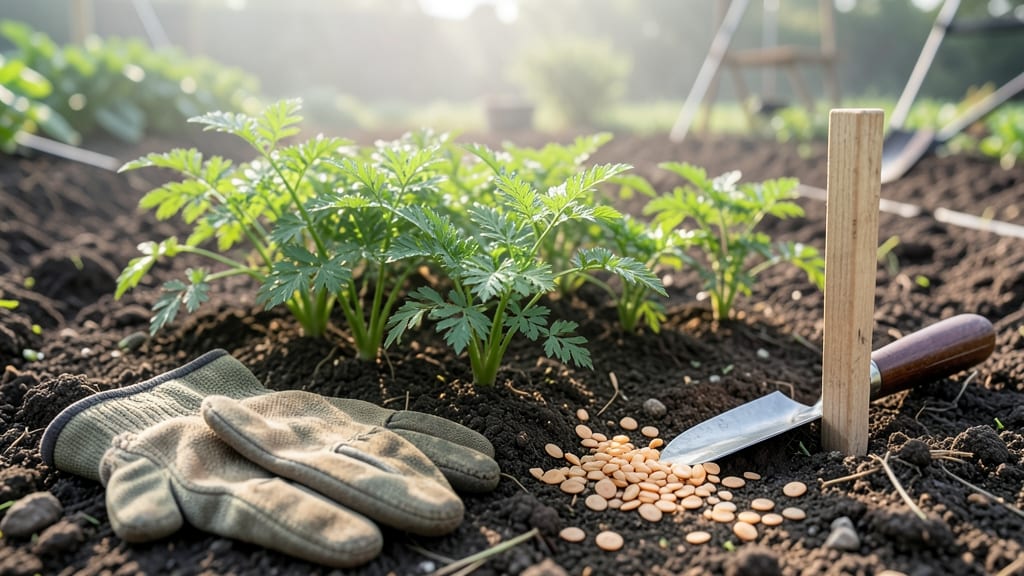
If you’ve ever wondered when to plant carrots in Georgia and why your 🥕 might turn bitter or bolt too early, the answer lies in timing. Planting carrots at the wrong time—whether in the scorching heat of summer or too close to frost—can ruin your harvest before it even starts.
Georgia’s unique climate, with its USDA zones 7b-8b, offers two perfect windows for success: early spring and fall.
The key to avoiding disappointment is knowing exactly when to plant—February-March for spring and August-September for fall—to align with the 200-220 frost-free days Georgia typically enjoys.
But here’s the catch: regional differences matter. Coastal areas may have earlier frost dates than the Piedmont, so local frost charts are your best friend.
In this guide, I’ll break down the exact months for zero frost risk and how to prep your soil for peak yields. You’ll also discover whether seeds or transplants work better in Georgia’s heat, plus pro tips to keep your carrots sweet and straight from root to table.
Ready to grow crisp, homegrown carrots without the guesswork? Let’s get started.
Best planting months for carrots in Georgia based on frost risk
Georgia’s USDA zones 7b-8b give gardeners a 200-220 day frost-free season, perfect for growing crisp, sweet carrots. But timing matters—plant too early, and you risk frost damage; too late, and bolting (flowering) steals energy from root growth.
Let’s break down the ideal planting windows for North vs. South Georgia.
In North Georgia (higher elevations), the last frost typically hits around March 15, while South Georgia enjoys frost-free conditions by February 28. This means your primary planting window starts in late February for South Georgia and early March for North Georgia.
For a fall harvest, aim for August 15-September 15 to beat the first frost (usually November 15).
Here’s the golden rule: Plant carrot seeds 4-6 weeks before your last frost date for spring crops. For fall, plant 10-12 weeks before the first frost to ensure roots mature before cold sets in. Skipping this timing can lead to uneven harvests or woody, bitter carrots.
🌱 Georgia Carrot Planting Timeline
| Season | Planting Window | Key Notes |
|---|---|---|
| Spring | Late Feb (South) - Early Mar (North) | Soil temp: 50-85°F. Use shade cloth if temps exceed 80°F. |
| Fall | Mid-Aug - Mid-Sep | Harvest before first frost. Choose bolting-resistant varieties. |
| Summer (Succession) | April - July (every 2 weeks) | Plant in partial shade to prevent bolting. Use container gardens for control. |
For North Georgia gardeners, focus on early spring (March) and late summer (August) plantings. The Piedmont region (e.g., Atlanta) has a longer frost-free window, so you can even try a late July planting for a fall harvest.
Meanwhile, South Georgia’s Coastal Plain can push spring plantings into early April without risking frost.
Pro tip: Use a soil thermometer to confirm soil temps are 50°F+ before planting. Cold soil slows germination, leading to patchy, slow-growing carrots. If temps drop below 40°F, wait—your seeds will rot in the ground.
Avoid planting carrots in mid-summer (June-July) unless you’re using shade cloth. Georgia’s humid heat causes carrots to bolt prematurely, turning sweet roots into bitter, fibrous messes. Instead, opt for succession planting in April and May for a continuous harvest.
One common mistake? Planting transplants instead of seeds. Carrots hate being transplanted—their roots break easily, leading to deformed carrots. Always direct-sow seeds in well-loosened soil to prevent forked or hairy roots. Thin seedlings to 2-3 inches apart once they’re 2 inches tall.
For container gardening, start seeds in deep pots (12+ inches) and plant in March-April. Containers warm up faster, so you can plant 2-3 weeks earlier than in-ground gardens. Just ensure pots have drainage holes to prevent root rot.
Finally, check your local frost dates annually—they shift slightly each year. Use resources like the Georgia Climate Project or your cooperative extension service for updates. With the right timing, you’ll enjoy crunchy, sweet carrots from April through December!
Best planting months for carrots in Georgia based on frost risk
Georgia’s USDA zones 7b-8b give you two prime windows for planting carrots: early spring and fall. The key is avoiding frost dates—last frost typically hits around March 15, while the first frost arrives near November 15.
Planting outside these windows risks bolting (premature flowering) or stunted growth.
For spring planting, start seeds indoors 6-8 weeks before your last frost (around January) or sow directly in February-March. This ensures roots mature before summer’s heat stress sets in. In North Georgia (higher elevations), wait until late March to avoid cold snaps.
Fall planting is equally critical. Sow seeds August-September for a harvest before frost. In South Georgia, you can push this to early October, but Northern regions should finish by mid-September to avoid winter chill.
| Planting Window | USDA Zone | Key Considerations | Action Steps |
|---|---|---|---|
| Early Spring | 7b-8b | Soil temps 50-60°F; avoid frost | Sow seeds Feb-Mar; use row covers if late |
| Fall | 7b-8b | Harvest before first frost; soil temps 60-70°F | Plant Aug-Sept; choose fast-maturing varieties |
| North GA (Higher Elevations) | 7b | Later last frost (March 30); cooler soils | Wait until late March; use black plastic mulch |
| South GA (Lower Elevations) | 8b | Earlier planting possible; longer frost-free season | Start Jan-Feb; extend to early Oct |
Missed the spring window? Don’t panic—succession planting every 2-3 weeks in spring or fall keeps your harvest steady. Just ensure soil temps stay above 50°F for germination. In South Georgia, you might even squeeze in a winter crop under row covers if you plant by October 15.
Pro tip: Use a soil thermometer to confirm temps—carrot seeds need 50-60°F soil to sprout. If temps dip below 40°F, germination slows dramatically. Mulch with straw to maintain warmth and moisture.
Timing isn’t just about months—it’s about microclimates. Shady spots or low-lying areas may frost later, while raised beds warm up faster. Adjust your schedule by 1-2 weeks based on your yard’s specific conditions. 🥕