Plants
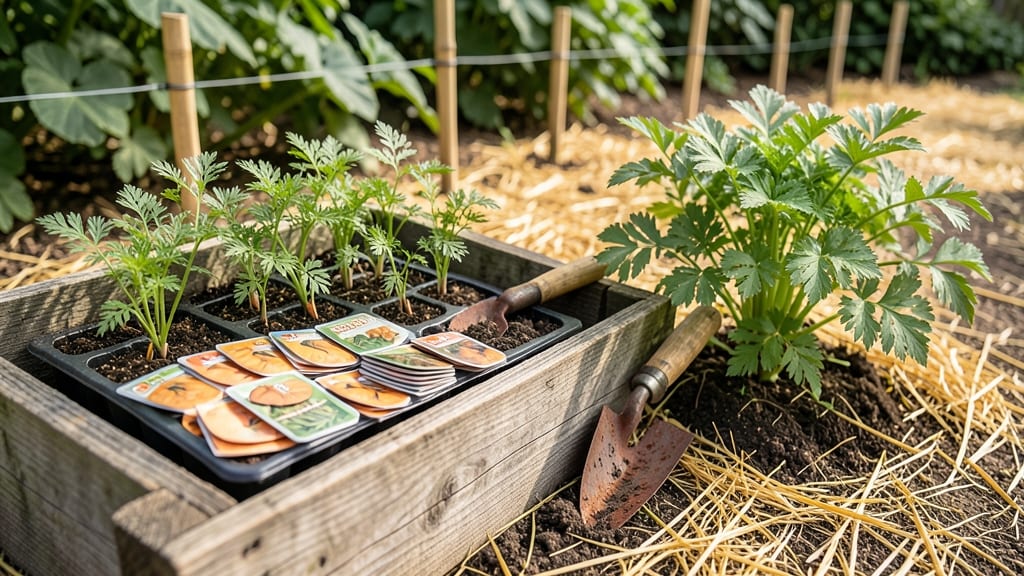
Timing your 🥕 carrot planting in Georgia can make the difference between a harvest of crisp, sweet roots and tough, disappointing ones. With the state's hot summers and unpredictable frost dates, knowing the exact months to plant is key to success.
Most Georgia gardeners get the best results by planting 🥕 carrots in early spring—between February and March—or late summer, around July to August. These windows take advantage of cooler temperatures and avoid the intense summer heat that can cause bolting or stunted growth.
In USDA zones 7b-8b, the average last frost date is around March 15, giving you plenty of time to get seeds in the ground before the heat sets in. Meanwhile, late summer plantings allow for a fall harvest before the first frost hits in November.
Whether you're a seasoned gardener or just starting out, mastering these planting times will help you grow the perfect 🥕 carrots all season long. Let’s break down the best strategies for your Georgia garden.
Georgia carrot planting calendar: best months by region (north vs. south)
Georgia’s climate varies dramatically from the cool mountain air of North Georgia to the warmer coastal breezes of South Georgia, and these differences dramatically impact when you can plant carrots successfully.
In North Georgia (Atlanta, Blue Ridge), where last frosts linger until mid-April, your planting window starts earlier. Meanwhile, South Georgia (Macon, Savannah) enjoys milder winters, giving you a slightly extended growing season.
For crisp, tender carrots, aim to plant when soil temperatures reach at least 50°F (10°C)—too cold, and seeds won’t germinate; too hot, and they’ll bolt or develop woody roots.
Georgia’s USDA Zones 7b-8b mean you can grow carrots year-round with the right timing, but spring and fall are your golden windows.
Below, I’ve broken down the exact planting months for each region, including soil prep tips and frost-free harvest windows to ensure you’re harvesting sweet, crunchy roots before the first frost hits.
| Region | Best Planting Months | Soil Temp Requirement | Last Frost Date | Harvest Window |
|---|---|---|---|---|
| North Georgia (Atlanta, Blue Ridge) | Early Spring: February–March Fall: July–August |
50–60°F (10–15°C) | Mid-April | Spring: April–June Fall: October–November |
| Central Georgia (Macon, Columbus) | Early Spring: March–April Fall: July–September |
55–65°F (13–18°C) | Early April | Spring: May–July Fall: October–December |
| South Georgia (Savannah, Brunswick) | Early Spring: March–April Fall: August–September |
60–70°F (16–21°C) | Late March | Spring: May–August Fall: November–December |
If you’re planting in North Georgia, start seeds indoors in January for early transplants, but direct sowing in February works too if your soil is workable. For South Georgia, you can push seeds into the ground as early as late February, thanks to milder winters.
Just remember: carrots hate heat, so avoid planting in June or July unless you’re using shade cloth to protect seedlings.
For fall harvests, focus on July–August plantings—this gives roots time to mature before first frosts (typically mid-November in North Georgia and early December in South Georgia). Cold-hardy varieties like ‘Danvers’ or ‘Nantes’ are your best bets for extending the season.
Pro tip: Test your soil’s pH before planting—carrots thrive in slightly acidic to neutral soil (6.0–7.0). If your soil is heavy clay (common in Georgia), amend it with compost or sand to prevent forked or stunted roots. A loose, crumbly bed is key!
One more thing: succession planting is your secret weapon for year-round carrots. By sowing new seeds every 2–3 weeks, you’ll have a steady supply from spring through fall. I’ll dive deeper into this strategy in the next section—stay tuned!
How to extend carrot harvests in Georgia: succession planting for year-round roots
Georgia’s long growing season means you can enjoy fresh carrots from early spring through winter—but only if you plan ahead. Succession planting is my secret weapon for avoiding the "carrot drought" between harvests.
By spacing out plantings every 3-4 weeks, I’ve turned my garden into a year-round root machine, even in hot summers.
The key is matching planting times to Georgia’s heat tolerance limits. Carrots bolt (go to seed) when days get too long or temperatures exceed 85°F. That’s why my summer plantings focus on shade protection and quick-maturing varieties like ‘Early Nantes’ or ‘Paris Market.’
For fall harvests, I plant again in late July-August using cold-hardy varieties like ‘Danvers’ or ‘Chantenay.’ These hold up better when temperatures dip toward first frost dates, which in North Georgia (Atlanta) typically arrive November 15—but can come earlier in the mountains.
🌱 Georgia Carrot Succession Planting Schedule
- Early Spring: Feb 15–Mar 15 (soil temps ≥50°F)
- Late Spring: Apr 15–May 1 (with shade cloth)
- Summer: Jul 1–Jul 15 (quick varieties + shade)
- Fall: Aug 15–Sep 15 (cold-hardy types)
My summer planting hack is using 30% shade cloth to keep soil temps below 80°F. I stake it 2 feet above the bed and remove it after 4 weeks when seedlings establish. This trick lets me plant ‘Little Finger’ carrots in June without bolting—perfect for late-summer harvests.
For winter harvests, I focus on fall varieties that mature before frost. ‘Purple Haze’ and ‘Cosmic Purple’ add color to my winter garden and tolerate light freezes.
I plant these 90 days before first frost (around September 15 in most of GA) and use row covers to extend harvests into December.
Pro tip: Mark your calendar for October 1—that’s when I start my final succession planting. By then, daytime temps drop enough to let carrots grow without bolting, and you’ll have roots ready for Thanksgiving feasts. Just
With this schedule, I’ve harvested carrots in every month except July and August—and that’s without a greenhouse! The secret? Staggered plantings, shade protection, and choosing the right varieties for each season. Now it’s your turn to try—start with one extra planting this fall and taste the difference!