Plants
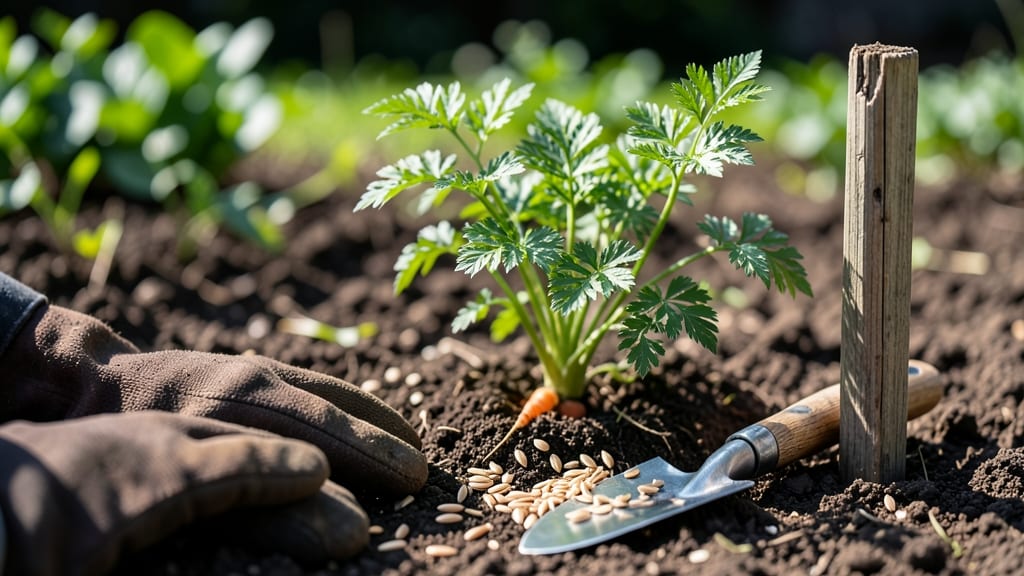
Planting carrots in fall 🥕 is your golden ticket to sweeter, crisper roots—but get the timing wrong, and you’ll end up with bitter, stunted veggies. The secret lies in starting 8-12 weeks before your first frost, when soil stays warm enough for germination but cool enough to prevent bolting.
Most gardeners in USDA Zone 6a (like me!) plant in late summer or early fall, but the exact date depends on your local climate. Too early, and your carrots bolt before tasting their best; too late, and frost ruins your harvest before you even pull them from the soil.
Here’s the game-changer: a simple rule to calculate your perfect planting window, plus 3 pro tips to extend your harvest beyond the first frost. Whether you’re a beginner or a seasoned grower, these strategies will ensure your fall carrots are the sweetest of the season.
Ready to dig in? Let’s break down the exact steps—from soil prep to post-planting care—to guarantee a bountiful, frost-free harvest. Your taste buds (and dinner table) will thank you!
The 6-Week pre-frost rule: exact planting windows by USDA Zone
Timing your fall carrot planting is all about the 6-week pre-frost rule. This means starting seeds 6-8 weeks before your first expected frost to ensure roots mature before cold sets in.
For example, in USDA Zone 6a (like my garden in upstate New York), I plant my first batch in early August and my last batch in mid-September to stretch the harvest.
Carrots need 60-80 days to reach harvest size, but cooler fall temperatures slow growth. The key is balancing soil warmth (ideal: 60-70°F) with daylight hours (aim for 10+ hours of light when planting). If your soil stays above 50°F, you can push planting slightly later.
Here’s the critical rule: Calculate your first frost date (check the USDA Plant Hardiness Map), then count backward 6-8 weeks.
For Zones 3-5, start in July; for Zones 6-8, aim for August-September; and in Zones 9-10, you can plant as late as October.
Pro tip: Use succession planting every 2-3 weeks to extend your harvest. For instance, I sow a new row in late August and another in early September—this gives me carrots ready in October and November before hard frosts arrive.
| USDA Zone | First Planting Window | Last Planting Window | Backup Date (Late Start) |
|---|---|---|---|
| Zones 3-4 | Mid-July | Early August | Late July (if soil >50°F) |
| Zones 5-6 | Early August | Mid-September | Late August (if frost delayed) |
| Zones 7-8 | Late August | Early October | Mid-September (if frost early) |
| Zones 9-10 | September | October | Early November (for short-season varieties) |
Don’t stress if your frost date is uncertain—use local weather averages as a guide. For instance, I cross-reference the National Weather Service with my garden’s microclimate (e.g., hills cool faster than valleys).
If you’re in doubt, opt for shorter-season varieties like ‘Paris Market’ (50 days) or ‘Early Nantes’ (60 days) for late starts.
Soil temperature is just as critical as frost dates. Use a soil thermometer to confirm readings—carrot seeds need 50-60°F soil to germinate. If your soil is cooler, delay planting or use a black plastic mulch to warm it up.
I’ve found that warmer soil speeds germination and reduces the risk of damping off.
Regional variations matter too. Coastal areas (like Zone 7b in Oregon) may have later frosts than inland zones, while desert climates (like Zone 9a in Arizona) can plant well into October. Adjust your timeline based on your local frost history—not just the USDA zone.
For a foolproof approach, I recommend planting a test row 2 weeks before your target date. This helps you gauge germination rates and soil conditions. If the test row thrives, proceed with confidence; if not, wait another week.
This method has saved me from bolting carrots and frost-damaged roots in past seasons.
Remember: Carrots planted too early bolt (go to seed) in summer heat, while late plantings risk frost before harvest. Sticking to the 6-week rule ensures sweet, crisp roots ready for your fall table.
The 6-Week pre-frost rule: exact planting windows by USDA Zone
Timing your fall carrot planting is all about the 6-week pre-frost rule. Carrots need 8-12 weeks to mature before the first hard frost, but cooler fall temperatures actually sweeten the roots and reduce pest pressure. The key? Plant when soil temps stay above 45°F (7°C) but nights start cooling.
Your USDA Zone determines your exact window. For example, in Zone 5, where first frost hits around October 15, your last planting date is September 1.
In Zone 8, with frost arriving November 20, you can extend planting until October 15. Always use local frost date averages—not your personal experience.
| USDA Zone | First Frost | Last Planting Date | Soil Temp Threshold |
|---|---|---|---|
| 3-4 | Oct 5-15 | Aug 20-Sept 1 | 45°F (7°C) |
| 5-6 | Oct 15-31 | Sept 1-15 | 45°F (7°C) |
| 7-8 | Nov 1-15 | Sept 15-Oct 15 | 50°F (10°C) |
| 9-10 | Nov 20-Dec 15 | Oct 1-Nov 1 | 55°F (13°C) |
For late starts, choose fast-maturing varieties like 'Early Nantes' (58 days) or 'Paris Market' (60 days). These can handle planting as late as October 1 in cooler zones. Always test soil temperature with a thermometer—carrots won’t germinate well below 50°F (10°C).
Pro tip: Succession plant every 2 weeks in August-September to stagger harvests. This ensures a steady supply of crisp, sweet carrots all fall. Just be sure to mark your calendar 6 weeks before your expected frost date—this is your deadline.
If you’re in Zone 4 or colder, consider using a cold frame to extend your season. Even a simple row cover can add 2-3 weeks of growing time. The goal is to harvest before hard frost (below 25°F (-4°C)), when roots turn mushy.
Remember: Cooler nights = sweeter carrots. The 6-week rule isn’t just about avoiding frost—it’s about giving your carrots the perfect temperature gradient to develop their signature flavor.
Plant too early, and you’ll get bolting (bitter tops); too late, and frost ruins your harvest. Nail the timing, and you’ll enjoy homegrown carrots that taste like summer all fall long. 🥕🌡️