
Plants
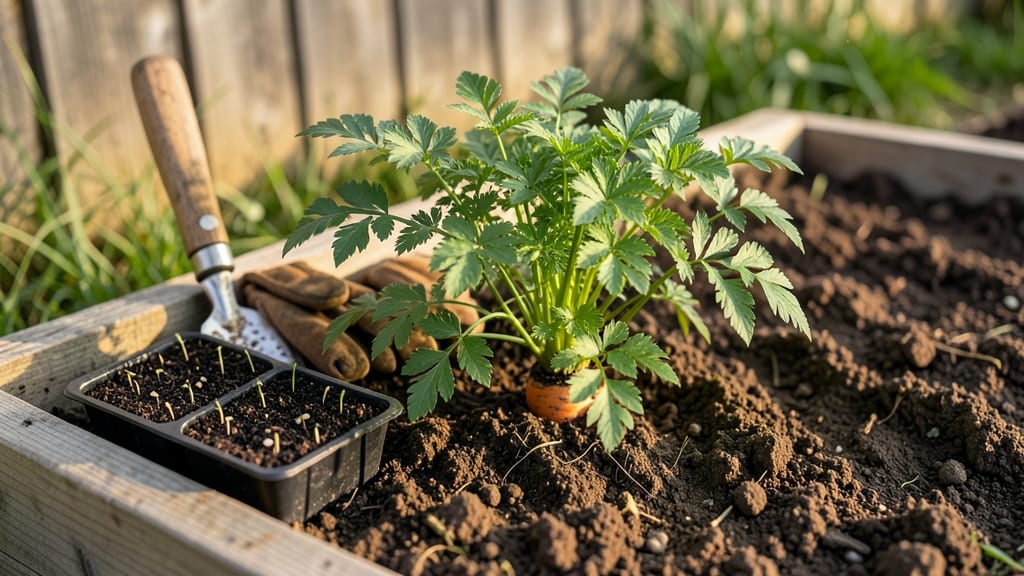
If you’ve ever stared at your garden calendar wondering when to plant carrots in Pennsylvania—only to end up with bitter, stunted roots—you’re not alone.
Pennsylvania’s Zone 5b-7a climate throws curveballs, from late spring frosts to summer heat that can send your 🥕 plants bolting before they even reach harvest size.
The secret to crisp, sweet carrots lies in timing: plant too early, and frost will turn your seedlings into sad, mushy snacks. Wait too late, and your roots may flower before maturing.
But here’s the good news—with the right planting windows and a few pro tips, you can grow carrots that rival the ones at the farmers’ market, no matter where you are in the state.
In this guide, I’ll break down the exact dates for spring and fall plantings tailored to Pennsylvania’s microclimates, plus soil prep tricks to give your carrots the perfect start. Whether you’re in Pittsburgh’s cooler hills or Philadelphia’s humid valleys, you’ll learn how to avoid common mistakes and maximize your harvest.
Ready to dig in? Let’s turn your carrot dreams into a crisp, flavorful reality—without the guesswork.
Pennsylvania carrot planting calendar: exact dates by region
Pennsylvania’s Zone 5b-7a climate means your carrot planting schedule should account for last frost dates and regional variations. In Pittsburgh, for example, the average last frost occurs around April 15, while Philadelphia sees it slightly earlier—April 5.
These differences matter because carrots need consistent soil temperatures (at least 50°F) to germinate properly.
For spring plantings, aim to sow seeds 2-3 weeks before your last frost. This gives seedlings time to establish before summer heat arrives. In fall, your window closes around July 15—planting after this risks bolting (premature flowering) due to shorter days and rising temperatures.
Here’s a region-specific breakdown of optimal planting windows, tailored to Pennsylvania’s microclimates:
| Region | First Planting Window | Second Planting Window (Succession) | Last Planting Deadline | Expected Harvest |
|---|---|---|---|---|
| Pittsburgh (Zone 6b) | March 20–April 15 | Every 2 weeks until June 1 | July 15 (fall risk) | June–October (spring) / Oct–Nov (fall) |
| Philadelphia (Zone 7a) | March 10–April 5 | Every 2 weeks until May 15 | July 10 (fall risk) | May–September (spring) / Sept–Nov (fall) |
| Erie (Zone 6a) | April 1–April 20 | Every 2 weeks until May 10 | July 5 (fall risk) | June–September (spring) / Sept–Oct (fall) |
| State College (Zone 6a) | March 25–April 10 | Every 2 weeks until May 20 | July 12 (fall risk) | June–September (spring) / Sept–Nov (fall) |
Succession planting is key to a continuous harvest. Sow new seeds every 2 weeks after your first planting until early June. This ensures you’re always harvesting fresh carrots without a glut. For fall crops, focus on short-day varieties like ‘Danvers’ to mature before the first frost.
Pro tip: Use a soil thermometer to confirm soil temps are 50°F+ before planting. Cold soil delays germination by weeks—don’t rush it! For extra insurance, cover seeds with straw mulch to retain warmth.
In southern PA (Zones 7a-7b), you can push the envelope slightly. Try a late summer planting around August 1–15 for a fall harvest before frost. Just choose fast-maturing varieties (60-day harvest) to succeed.
Remember: Carrots hate competition. Thin seedlings to 2–3 inches apart once they’re 2 inches tall to prevent crowded, misshapen roots. This also reduces disease risk in dense plantings.
Best carrot varieties for Pennsylvania gardens (and when to plant them)
Pennsylvania’s variable climate demands carrot varieties that thrive in short growing seasons and avoid bolting from heat. Choosing the right type ensures crisp, sweet roots—even when summers get hot. I’ve tested these top 3 varieties in my PA garden, and they consistently deliver reliable harvests. For short-season gardens, Danvers Half Long is my go-to. This classic variety matures in just 60–70 days, making it perfect for early spring or late summer plantings. Its bolt-resistant nature also helps it handle Pennsylvania’s occasional heatwaves. I plant these March 20–April 15 for a June harvest or July 15–August 1 for a fall crop before frost. If you prefer sweeter, shorter roots, Nantes varieties like ‘Paris Market’ are ideal. These 70–80-day carrots store well and tolerate cooler soils, which is a bonus in Pennsylvania’s unpredictable springs. I prep the soil with extra compost to prevent forking—a common issue in rocky PA soil—and plant them April 1–May 15 for a summer harvest. For longer storage and heat tolerance, Chantenay Red Core is a winner. This 75–85-day variety handles warmer soils better than others, making it great for late summer plantings (July–August). Its cylindrical shape resists splitting, and I’ve found it thrives in well-drained raised beds—a must in PA’s clay-heavy soils. To maximize success, avoid planting where carrots or parsnips grew last year—this prevents disease buildup. Instead, rotate with beans, lettuce, or onions, which improve soil health. For fall crops, I always mulch heavily with straw to insulate roots from early frosts, extending harvests into November in most of PA. For container gardening, choose ‘Little Finger’ or ‘Paris Market’—their shorter roots adapt well to pots. Just ensure containers are at least 12 inches deep and use a light, sandy mix to prevent forking. In my raised beds, I’ve seen 30% larger yields by thinning seedlings to 2–3 inches apart and keeping soil consistently moist.🥕