
Plants
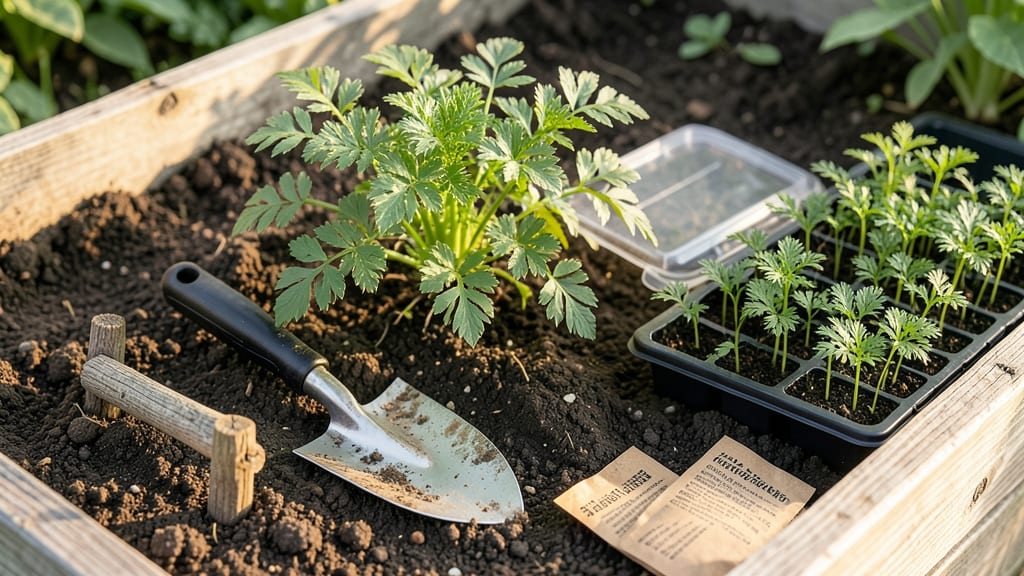
Knowing when to plant carrots in Idaho isn’t just about checking the calendar—it’s about outsmarting the state’s unpredictable mix of high desert heat and mountain chill. Get the timing wrong, and you’ll end up with bitter, stunted 🥕 or no harvest at all, thanks to Idaho’s short growing season and rocky soil.
Most gardeners here swear by planting in early spring—around March to April—when soil temperatures hit that sweet spot of 50–65°F. But don’t stop there: late summer plantings (July–August) can also work if you’re aiming for a fall harvest before the first frost bites in October.
The real trick? Adjusting for elevation. In Boise’s lower elevations (Zone 7b), you’ve got more wiggle room, but up in McCall (Zone 5b), you’ll need to plant earlier and choose cold-hardy varieties like ‘Danvers Half Long’ to beat the frost.
I’ll walk you through the exact planting windows, soil prep hacks for Idaho’s tricky terrain, and how to stretch your harvest season—so you’re pulling sweet, crisp 🥕 all the way from May to October.
Idaho carrot planting calendar by elevation: lowlands vs. mountains
Idaho’s dramatic elevation shifts—from the Treasure Valley’s 2,500 feet to McCall’s 5,000 feet—create wildly different planting windows for carrots.
In lowland areas like Boise or Nampa, you can start seeds as early as late February, while high-altitude gardeners near Sun Valley or Sandpoint should wait until mid-April to avoid frost damage. The key?
Soil temperature must reach 50°F for germination and stay above 65°F for steady growth.
For lowland Idaho (3,000–5,000 ft), aim to plant carrots 4–6 weeks before your last frost date (typically March 1–April 15). High-elevation areas (5,000–7,000 ft) should push planting back to April 15–May 1 to align with later frost-free dates.
Missing this window risks bolting (premature flowering) or stunted roots due to cool soils.
| Elevation Zone | Last Frost Date | Optimal Planting Window | Soil Temp Threshold | Harvest Window |
|---|---|---|---|---|
| Lowlands (3,000–5,000 ft) | April 1–15 | March 1–April 15 | 50–65°F | May–October |
| Mid-Elevation (5,000–6,000 ft) | April 15–May 1 | April 15–May 15 | 55–65°F | June–September |
| High Mountains (6,000–7,000 ft) | May 1–15 | May 1–June 1 | 60–70°F | July–September |
Pro tip: Use a soil thermometer to confirm readiness—carrot seeds won’t sprout in cold soils. In Boise’s Zone 7b, for example, March plantings often fail if soils hover below 50°F. Wait for consistent warmth to avoid slow germination or seed rot.
Fall planting is also viable in Idaho, but timing is critical. Sow seeds 8–10 weeks before your first frost (typically late July–early August for lowlands). High-altitude gardeners can extend this to mid-August. Choose cold-hardy varieties like ‘Purple Haze’ or ‘Danvers Half Long’ for fall harvests.
Microclimates matter too! South-facing slopes warm faster than north-facing gardens. If your yard sits in a valley or frost pocket, plant 2 weeks later than the general calendar. Conversely, hilltops or sunny exposures may allow earlier plantings by 1–2 weeks.
For container gardening in Idaho’s urban areas (e.g., Meridian or Coeur d’Alene), start seeds indoors under grow lights in February, then transplant outdoors after soil warms. Containers heat up faster than ground soil, so adjust your timeline accordingly.
Remember: Idaho’s short growing season means succession planting is your best friend. Space out sowings every 2–3 weeks from March to July to ensure a steady harvest. This works especially well for short-day varieties like ‘Paris Market’ or ‘Little Finger.’
Finally, watch for late-spring freezes (common in May) that can damage young seedlings. Use row covers or cold frames for added protection during these unpredictable weeks. With the right timing, you’ll enjoy crisp, sweet carrots from May through October—even in Idaho’s challenging climate! 🥕
Soil preparation secrets for Idaho’s rocky & sandy gardens
Idaho’s rocky soil and sandy loam can turn carrot gardening into a frustrating puzzle—unless you know the tricks. The state’s arid climate and high mineral content often lead to forked roots or stunted growth if you don’t prep properly.
My secret? Start with a soil test to check pH (aim for 6.0–7.0) and amend aggressively to create the loose, stone-free beds carrots crave.
For heavy clay soils common in lowland areas like Twin Falls, mix in 3–4 inches of compost and sand (like coarse river sand) to improve drainage. In sandy soils typical of Boise’s high desert, add organic matter like peat moss or aged manure to retain moisture.
Pro tip: Sift out large rocks before planting—carrots won’t grow around them, and neither will your patience.
Carrots thrive in deep, loose soil with no clumps—think of it as giving their roots a 5-foot runway to grow straight. Use a broadfork to loosen soil to 12 inches deep, breaking up compaction without turning the soil (which brings weeds to the surface).
For raised beds, fill with a mix of 50% garden soil, 30% compost, and 20% sand for the perfect texture.
Companion planting is your next best friend in Idaho’s dry, pest-prone conditions. Pair carrots with rosemary (deters carrot flies), leeks (repels aphids), or chives (improves flavor). Avoid planting near dill or parsley, which attract the same pests.
In my garden, I also interplant radishes—they mark carrot rows and can be harvested early, leaving space for the slower-growing carrots.
Watering strategy is critical during Idaho’s hot, dry summers. Carrots need consistent moisture to prevent cracking, but overwatering can cause rot. Use drip irrigation or soaker hoses to deliver 1 inch of water per week, keeping the soil evenly moist but never soggy.
Mulch with straw or wood chips to retain moisture and suppress weeds—this is especially important in high-altitude areas like McCall, where evaporation is rapid.
If your soil is too rocky to dig, try growing carrots in containers filled with a lightweight mix of potting soil and perlite. Varieties like ‘Paris Market’ (short and round) or ‘Little Finger’ thrive in containers and won’t mind sharing space with other shallow-rooted plants like lettuce or spinach.
For in-ground planting, mark rows with bamboo stakes to avoid disturbing the soil later.