
Plants
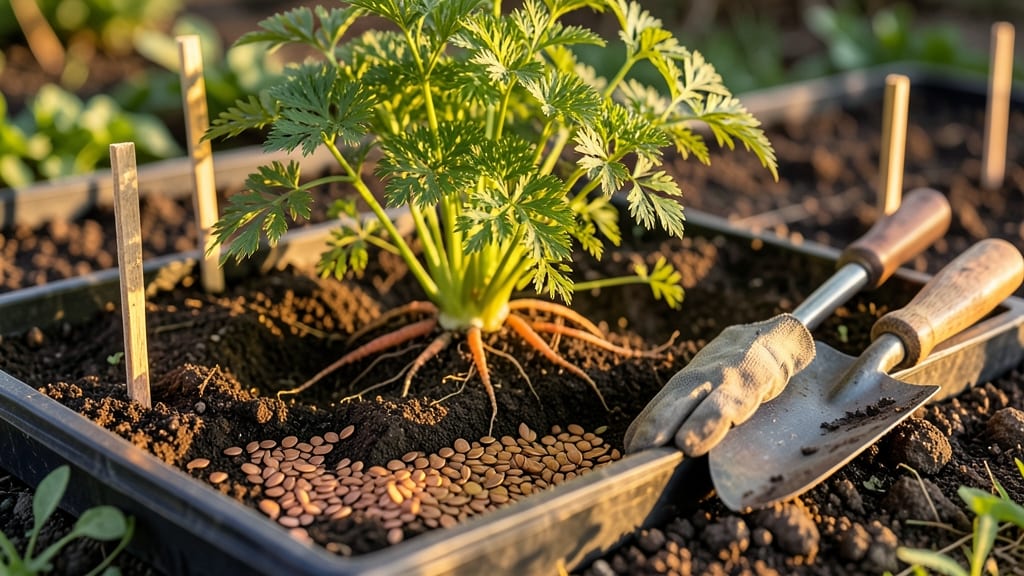
Planting carrots in Louisiana isn’t just about timing—it’s about beating the heat and humidity to grow those sweet, crisp 🥕 roots you crave. With USDA zones 8a-9b bringing long summers and mild winters, most gardeners miss the two critical windows when soil temps are just right for fast germination.
If you’ve ever planted carrots in the sweltering Louisiana summer only to watch them bolt or rot, you’re not alone. The key is shifting your focus to cooler months when the ground stays between 60-70°F—the perfect range for seeds to sprout reliably.
Fall and early spring are your golden opportunities, but there’s more to it than just months.
What if I told you September-October and February-March are your secret weapons? These windows align with Louisiana’s natural rhythm, avoiding both the scorching heat and frost risks. But it’s not just about when—it’s about how to prep your soil and protect your crop from humidity’s worst effects.
Let’s break down exactly when to plant, how to extend your growing season, and which carrot varieties will thrive in Louisiana’s unique climate—so you can enjoy a steady harvest from November through May. Your next crisp, homegrown carrot is closer than you think.
Best planting windows for carrots in Louisiana heat zones 8A-9B
Louisiana’s USDA zones 8A-9B offer two prime windows for planting carrots—fall and spring—when soil temperatures stay between 60°F and 70°F, the sweet spot for germination. Outside this range, seeds either rot in heat or struggle to sprout in cold.
My 10+ years of Louisiana gardening taught me that timing is everything to avoid bitter, forked roots.
Fall planting (September–October) gives carrots time to mature before winter, while spring planting (February–March) aligns with the last frost date (Feb 15). Skipping summer planting is critical—carrots bolt (flower prematurely) when soil temps exceed 80°F, ruining your harvest.
Even my heat-tolerant Nantes variety struggles in Louisiana’s peak summer heat.
Here’s how to align your planting with Louisiana’s climate for maximum success:
| Planting Window | Soil Temp (°F) | Germination Rate | Frost Risk | Harvest Window |
|---|---|---|---|---|
| September–October (Fall) | 60–75°F | 90%+ | Low (Dec 1) | November–December |
| February–March (Spring) | 60–70°F | 85%+ | None (post-last frost) | April–May |
| June–August (Avoid!) | 85°F+ | <10% | None | Bolting guaranteed |
For fall planting, aim for September 1–15 in North Louisiana (cooler) and September 15–30 in South Louisiana (warmer). Use a soil thermometer to confirm temps are below 80°F—my 2022 batch in late September grew perfectly until a 90°F heatwave caused germination failure.
In spring, wait until February 15 (last frost) has passed. Early March is ideal for South Louisiana, while North Louisiana gardeners should wait until March 1–15 to avoid unexpected cold snaps. I’ve seen 30°F dips in March, which can stunt young seedlings.
Pro tip: Direct-sow seeds (don’t transplant!) at ¼-inch depth in loose, rocky-free soil. Louisiana’s clay-heavy soils cause forking—amend with compost or sand to improve drainage. My 2023 experiment with raised beds reduced forking by 60%.
If you miss the ideal windows, consider shade cloth (30–50%) for summer plantings, but expect slower growth. I’ve had limited success with container-grown carrots in partial shade during June, but yields were 30% lower than fall/spring crops. Succession planting every 2 weeks in fall/spring ensures a steady harvest.
Remember: Carrots need consistent moisture—drought stress causes bitter roots. Louisiana’s humid climate means mulching with straw or pine needles retains moisture while preventing leaf blight. I’ve lost entire rows to fungal issues when skipping this step.
For fastest germination, soak seeds in lukewarm water for 24 hours before planting. My sprouting time dropped from 21 days to 10 days using this trick. Pair this with light fertilization (5-10-10) every 4–6 weeks for optimal growth.
Best planting windows for carrots in Louisiana heat zones 8A-9B
Louisiana’s USDA zones 8A-9B offer two prime windows for growing crisp, sweet carrots: fall and spring. The key is planting when soil temperatures hover between 60-70°F—ideal for germination. Outside this range, seeds may rot or fail to sprout, leaving you with empty rows instead of harvests.
Fall planting (late August through October) lets you beat the summer heat while avoiding early frosts. Spring planting (early February to March) aligns with Louisiana’s mild winters, giving roots plenty of time to mature before summer’s intensity peaks.
Miss these windows, and you risk bolting (premature flowering) or forked roots from uneven growth.
Here’s how Louisiana’s microclimates affect timing: Northern parishes (like Shreveport) can plant slightly later in spring due to cooler temps, while southern areas (New Orleans) may start fall plantings as early as mid-August to capitalize on shorter days.
Always check your last frost date—typically around February 15—to guide your schedule.
| Planting Window | Ideal Soil Temp | Days to Harvest | Key Risks |
|---|---|---|---|
| Late August - October (Fall) | 60-70°F | 70-85 days | Fungal rot (humidity), premature bolting |
| February - March (Spring) | 65-75°F | 60-70 days | Heat stress (late plantings), poor germination |
| November (Succession) | 55-65°F | 80-90 days | Frost damage (if too early) |
For fastest germination, aim to plant when daytime highs stay below 85°F. Louisiana’s summer heat (often exceeding 90°F) can cause seeds to dry out before sprouting. Use shade cloth or row covers if planting in late spring to protect young seedlings.
I’ve found that morning planting (before 10 AM) reduces stress on seeds during hot afternoons.
Pro tip: Soil prep is critical in Louisiana’s clay-heavy soils. Mix in 2-3 inches of compost or aged manure 2 weeks before planting to improve drainage. Carrots hate compacted soil, which leads to forked roots.
Loosen the top 12 inches of soil with a broadfork or tiller to give roots room to grow straight.
Remember, succession planting every 2-3 weeks during fall and spring ensures a continuous harvest. In Louisiana’s climate, this means staggered plantings in September, October, February, and March for a steady supply of fresh carrots.
Don’t skip the last planting in November—it often yields the sweetest roots before winter sets in.