
Plants
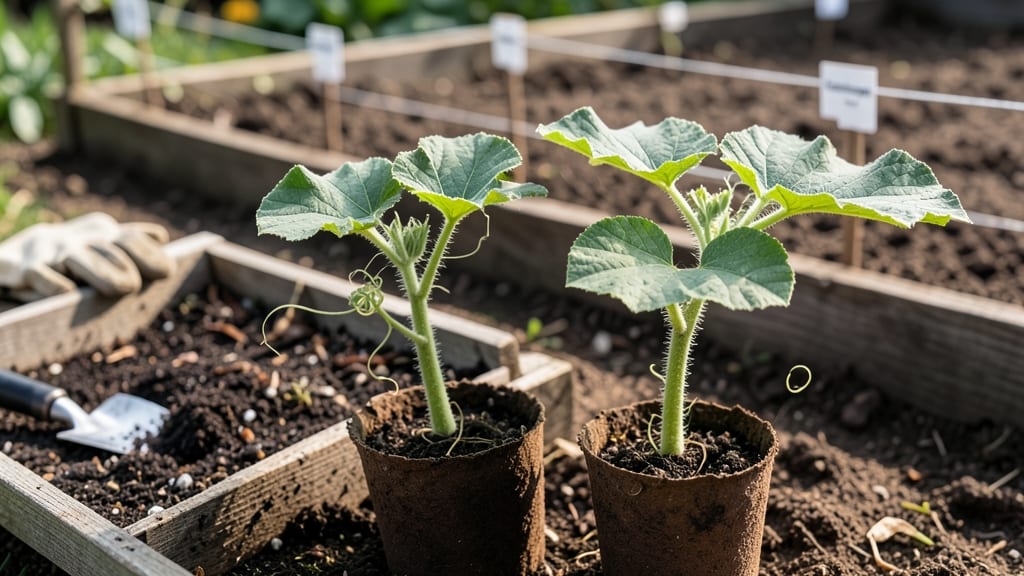
Timing your 🍈 cantaloupe planting in Tennessee can mean the difference between a bountiful summer harvest and wasted effort. If you plant too early, frost will nip your vines before they even start, while waiting too long might leave you with bitter fruit—or none at all.
The sweet spot? A narrow window between April 15 and May 15, when soil temperatures finally hit that critical 70°F+ mark.
Why does this window matter so much? Cantaloupes are heat-lovers, thriving in Tennessee’s 6a-7b zones once the air warms up.
But getting the timing right isn’t just about avoiding frost—it’s about giving your vines enough growing days (180-210 frost-free days) to develop those signature sweet, fragrant melons by July or August. One wrong move, and you’ll be left with underripe fruit or empty vines.
Here’s the game-changer: I’ll break down exactly when to plant in your specific corner of Tennessee, whether you’re in Nashville’s humid valleys or the cooler highlands near Knoxville. You’ll learn how to adjust for your microclimate, choose the fastest-maturing varieties, and even troubleshoot common pitfalls like uneven soil warming.
Let’s make sure your cantaloupe patch becomes the star of your summer table.
Ready to turn your garden into a cantaloupe goldmine? The clock is ticking—your planting window opens soon, and every day counts. Let’s get those seeds in the ground at the perfect moment for maximum yield and flavor.
Tennessee’s cantaloupe planting deadlines by heat Zone
Cantaloupe thrives in Tennessee’s warm summers, but getting the timing right means the difference between a bumper crop and a failed patch. The state’s USDA zones 6a-7b create distinct planting windows—Zone 6a gardeners have a shorter window than Zone 7b growers, so adjust accordingly.
For all zones, soil temperature is the critical factor: seeds won’t sprout below 70°F, and vines need consistent warmth to produce sweet fruit.
Most Tennessee gardeners should aim to plant cantaloupe after the last frost date, typically between mid-April and mid-May. However, this varies by region—East Tennessee’s higher elevations (like Knoxville) may need to wait until early May, while West Tennessee’s flatter terrain (like Memphis) can start earlier.
Always check your local frost-free date and wait an extra 2 weeks to ensure safety.
Here’s a breakdown of planting deadlines by Tennessee’s three primary heat zones, including soil temperature thresholds and frost risk analysis:
| Zone | Last Frost Date | Ideal Planting Window | Soil Temp Requirement | Frost Risk After Planting |
|---|---|---|---|---|
| 6a (East TN: Knoxville, Chattanooga) | April 15 | May 1–15 | 70°F+ | Low (May frost rare) |
| 6b (Middle TN: Nashville) | April 1 | April 15–May 1 | 70°F+ | Very Low |
| 7a (West TN: Memphis, Jackson) | March 15 | April 1–15 | 70°F+ | None |
| 7b (Far West TN: Dyersburg) | March 1 | March 20–April 30 | 70°F+ | None |
For gardeners in Zone 6a, consider starting seeds indoors 4–6 weeks before your target planting date. Use biodegradable pots to transplant seedlings without disturbing roots. In Zones 7a–7b, direct-sowing outdoors is often easier, but always harden off seedlings for 7–10 days before transplanting to avoid shock.
Fall planting is not recommended in Tennessee due to the short growing season. Cantaloupe needs 90–120 days to mature, and first frosts typically arrive by mid-October.
If you’re eager for a second harvest, opt for fast-maturing varieties (like ‘Athena’) and plant no later than mid-July, but expect smaller yields.
Pro tip: Use a soil thermometer to confirm temperatures before planting. Cold soil delays germination, and cantaloupe seeds can take 7–14 days to sprout. If your soil isn’t warm enough by the ideal window, consider raising beds or using row covers to accelerate warming.
Once planted, cantaloupe vines spread 3–6 feet, so give them plenty of space. In Tennessee’s heat, drip irrigation is ideal—it delivers water directly to roots and avoids fungal diseases that thrive in humid conditions. Mulch with straw or grass clippings to retain moisture and keep soil temps steady.
Finally, watch for cucumber beetles, a common pest in Tennessee. These striped invaders spread bacterial wilt, which can devastate cantaloupe plants. Use row covers early in the season or apply neem oil as a preventive measure.
Tennessee’s cantaloupe planting deadlines by heat Zone
Tennessee’s USDA zones 6a-7b offer perfect conditions for cantaloupe—but timing depends on your specific heat zone. Soil temperature is the key factor: seeds won’t sprout until the ground reaches 70°F+.
In Zone 6a (eastern TN), wait until after May 1 to avoid late frosts, while Zone 7b (middle/west TN) can start as early as mid-April.
Use your last frost date as a baseline, but don’t rush—cantaloupes hate cold soil. In Nashville (Zone 7a), aim for April 15-May 1, while Chattanooga (Zone 6b) should wait until May 1-15. Always check a 7-day forecast for unexpected cold snaps.
| Heat Zone | Last Frost Date | Planting Window | Soil Temp Requirement |
|---|---|---|---|
| Zone 6a (East TN) | April 15-May 1 | May 1-15 | 70°F+ |
| Zone 7a (Middle TN) | March 31-April 15 | April 15-May 1 | 70°F+ |
| Zone 7b (West TN) | March 15-30 | April 1-May 15 | 70°F+ |
For fall planting (less common but possible), sow seeds 8-10 weeks before first frost—typically August 1-15. This works best in Zone 7b where summers are longer. Use black plastic mulch to warm soil faster in cooler zones.
Pro tip: Test soil temperature with a soil thermometer ($10 at garden centers). If it’s below 70°F, wait 1-2 weeks—cantaloupe seeds won’t germinate in cold soil. Direct sowing is best; cantaloupes hate transplant shock.
In urban areas like Memphis, where microclimates run hot, you can plant 1-2 weeks earlier than rural zones. Just monitor nighttime temperatures—they must stay above 55°F for healthy vines.
Missed the spring window? Don’t despair—container gardening lets you extend the season. Use 5-gallon pots with black fabric to warm soil faster, even in Zone 6a. Just move containers to a sunny spot after last frost.