
Plants
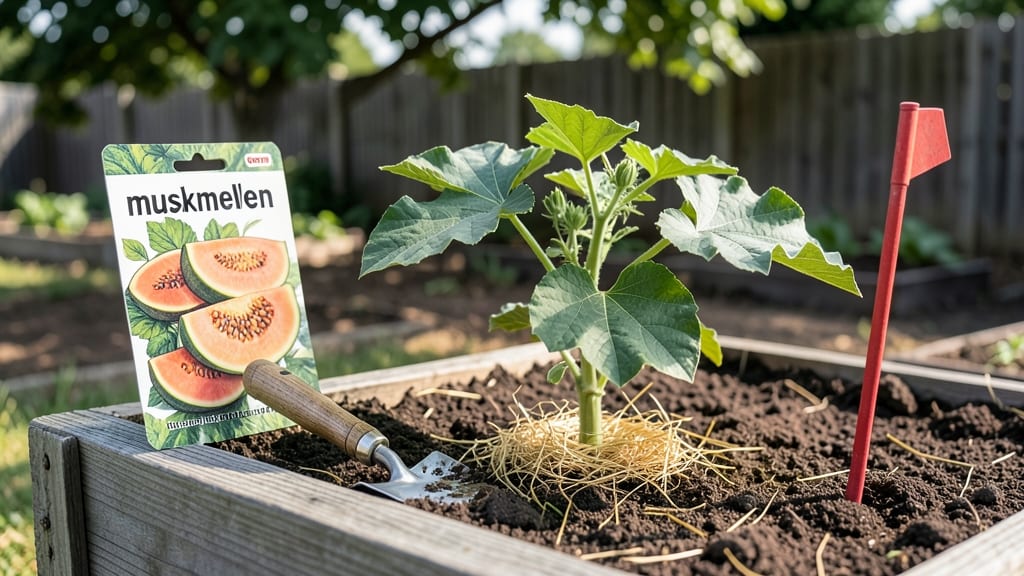
If you're dreaming of juicy, vine-ripened cantaloupe 🍈 this summer, timing your Arkansas planting is the key to success. Planting too early risks frost damage, while waiting too long might cut your harvest short—especially in USDA Zone 7a where the growing window is tight.
Most Arkansas gardeners swear by planting cantaloupe between late April and early June, once soil temperatures hit at least 70°F and the danger of frost has passed. For a 90-day harvest window, this timing ensures sweet, ripe melons by late summer when Arkansas heat peaks.
But here's the catch: Arkansas' humidity and occasional late frosts can throw off even the best-laid plans. Whether you're direct sowing seeds or using transplants, understanding your local microclimate and soil conditions makes all the difference.
Let me walk you through the exact steps to time your cantaloupe planting perfectly—so you can go from seed to sweet, sun-warmed melons without a single wasted moment. Ready to grow like a pro?
Optimal planting dates for Arkansas cantaloupe in USDA Zone 7a
In Arkansas's USDA Zone 7a, timing your cantaloupe planting is critical to avoid frost damage while ensuring a 90-day harvest window. The last average frost date typically falls around March 15, but soil temperature matters more than air temperature.
Your cantaloupes need soil that's warmed to at least 70°F—a threshold Arkansas usually hits between late April and early May.
For most gardeners, the ideal planting window stretches from mid-April to early June. Planting too early risks cold soil and stunted growth, while late plantings may produce fruit too close to Arkansas's first frost (mid-November), leaving little time for ripening.
The 90-day harvest window means you'll want to aim for fruits ready by late July to early September.
Here’s how to adjust for Arkansas’s microclimates. Northern regions (like Bentonville) may need to wait until late April, while southern areas (like Little Rock) can start as early as mid-April. Elevation also plays a role—higher areas stay cooler longer, delaying planting by 1-2 weeks.
| Planting Stage | Arkansas Timeline | Key Considerations |
|---|---|---|
| Soil Warm-Up | Late March–Early May | Use black plastic mulch to raise soil temp to 70°F+. |
| Direct Sowing | Mid-April–Early June | Plant ½-inch deep, 3–4 seeds per hill, 2–3 feet apart. |
| Transplanting | Late April–Mid-May | Hardy seedlings from 6-week starts adapt faster to heat. |
| Harvest Window | Late July–Early September | Aim for 75–90 days after planting for peak sweetness. |
If you’re direct sowing, Arkansas’s humidity and heat can accelerate germination, so monitor seeds daily. For transplants, start them indoors 6 weeks before your target outdoor date to give them a head start. Both methods work, but transplants often yield faster in Arkansas’s short growing season.
For early varieties like 'Athena' (70 days to maturity), you can push planting to early April in southern Arkansas, but be prepared to use row covers if nights dip below 50°F.
Late plantings after mid-June risk heat stress and poor fruit set, so stick to the mid-April to early June window for best results.
Arkansas’s summer heat is your ally once plants are established, but the transition from spring to summer can be tricky. Use drip irrigation to maintain consistent moisture without wetting leaves, which reduces powdery mildew risk—a common issue in Arkansas’s humid climate.
Pro tip: Mark your last frost date on your calendar and count backward 90 days. This gives you a flexible planting window that accounts for Arkansas’s variable weather.
For example, if your last frost is April 1, aim to plant by July 1—but adjust based on soil warmth, not just the calendar.
Finally, consider succession planting if you have space. While cantaloupes are annuals, you can stagger plantings every 2 weeks from April to early June to extend your harvest into early fall. Just ensure each batch has enough room to thrive—cantaloupe vines spread 3–6 feet!
Mastering these dates ensures your Arkansas cantaloupe vines produce sweet, ripe fruit instead of bitter, underdeveloped melons. With the right timing, you’ll be slicing into juicy perfection by summer’s end. 🍈
Optimal planting dates for Arkansas cantaloupe in USDA Zone 7a
In Arkansas’s USDA Zone 7a, timing your cantaloupe planting to the 90-day harvest window is critical. The last average frost date typically falls around March 15, but soil must reach 70°F+ before planting.
This usually means waiting until late April to early June—any earlier risks frost damage, while planting too late may delay harvests until late summer heat sets in.
For a July harvest, aim to plant between April 20 and May 10. This gives vines enough time to mature before Arkansas’s humid summer heat peaks.
If you’re growing heat-tolerant varieties like ‘Athena’ or ‘Hale’s Best,’ you can push planting to mid-June for a late-summer harvest, but expect smaller yields.
Arkansas’s microclimates play a role too. Northern regions (like Bentonville) may need to wait until mid-May, while southern areas (Little Rock) can start as early as late April.
Always check your local Almanac frost dates and monitor soil temperatures with a soil thermometer—cantaloupes won’t germinate below 60°F.
| Stage | Action | Notes |
|---|---|---|
| Soil Prep | Test pH (6.0–6.8) | Amend with compost if needed |
| Planting Window | Late April–Early June | After last frost, soil 70°F+ |
| Germination | 5–10 days | Use black plastic mulch to warm soil |
| Harvest Window | July–September | 90 days after planting |
| Late Planting | Mid-June (if heat-tolerant) | Smaller yields, risk of bolting |
If you’re starting seeds indoors, begin them 4–6 weeks before your target outdoor planting date. Arkansas’s humid summers can stress young seedlings, so harden them off gradually.
For direct sowing (the preferred method), plant seeds 1 inch deep and 2 inches apart in hills, thinning to 1 plant per hill when vines are 4 inches tall. Space hills 3–4 feet apart to allow vines to spread.
Pro tip: Use black plastic mulch to raise soil temperatures by 10–15°F, speeding up germination and growth. This is especially helpful in Arkansas’s cool springs. Pair it with drip irrigation to maintain consistent moisture without wetting foliage, reducing fungal risks like powdery mildew.
Remember, cantaloupes are heat-loving annuals—they thrive in Arkansas’s summer heat but need a strong start. By aligning planting with soil warmth and frost-free dates, you’ll maximize your chances of sweet, ripe cantaloupes before the vines decline in late summer. 🍈