
Plants
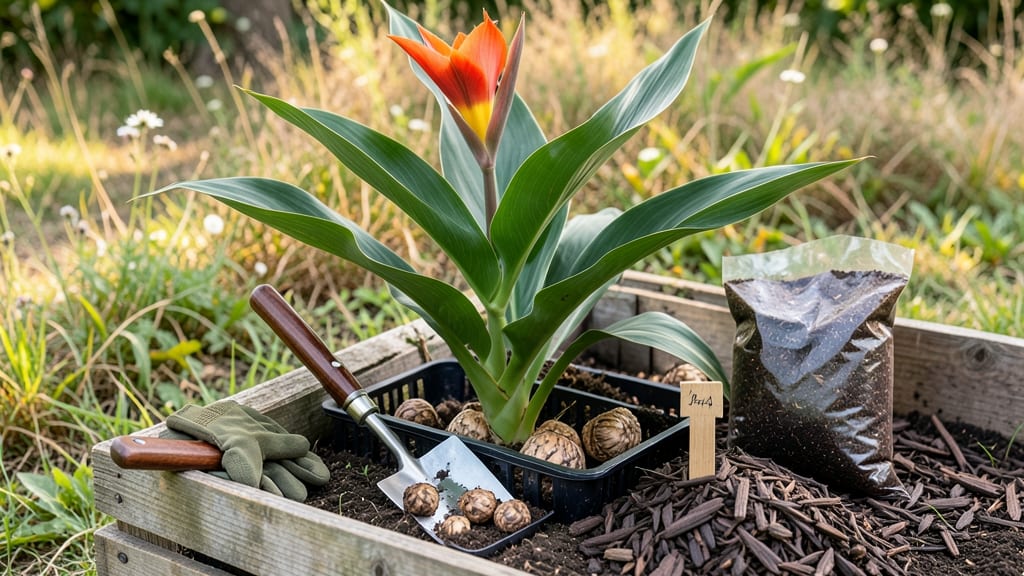
Timing your canna bulb planting in Ohio isn’t just about avoiding frost—it’s about catching that sweet spot when the soil warms up enough for roots to take off.
If you plant too early, those tender rhizomes will crisp in a late frost; too late, and your 🌺 cannas might never reach their full, dramatic height by summer.
Most Ohio gardeners wait until after the last frost date—typically mid-April to early May—but there’s more to it than just the calendar. The real secret? Soil temperature.
Once your garden beds hit 65°F, your canna bulbs will thrive, sending up those bold, tropical-looking leaves and vibrant blooms that make your yard the envy of the neighborhood.
Whether you’re tucking them into in-ground beds or containers, knowing the right window means fewer failed attempts and more stunning results. Let’s break down exactly when—and how—to get your cannas planted for a show-stopping summer display.
You’ll also discover how to spot the perfect planting conditions, avoid common Ohio-specific mistakes, and keep your cannas blooming until early fall. Ready to turn your garden into a tropical paradise? Let’s dive in.
Ohio’s ideal canna planting window: after last frost, soil temperature guide
Ohio’s variable climate means canna bulbs need precise timing—plant too soon, and frost zaps your rhizomes; too late, and you miss peak summer blooms.
The sweet spot is after your last frost date (typically mid-April to early May in most of Ohio), but soil temperature matters just as much as calendar dates.
Canna rhizomes thrive when soil warms to at least 65°F, which usually aligns with late May in colder northern Ohio regions but can be as early as mid-April in southern Ohio’s warmer microclimates.
For Ohio gardeners, this means tracking two critical factors: your local frost-free date and soil thermometer readings. Northern Ohio (USDA zones 5–6) often waits until early June, while southern Ohio (zones 6–7) can plant by Memorial Day weekend.
Use a soil thermometer to confirm—cannas won’t sprout until the ground consistently stays above 60°F.
Here’s the golden rule: Wait until both the air stays reliably above 50°F at night and the soil hits 65°F+. This usually lands in late May for most Ohioans, but rural areas with colder microclimates may need to delay until early June.
Container gardeners can cheat the system by starting rhizomes indoors 4–6 weeks earlier in potting mix at 70°F.
🌱 Did You Know? Ohio’s heavy clay soils (common in central and eastern regions) can take longer to warm than sandy loam. Amend with compost or peat moss 2–3 weeks before planting to speed up heat absorption.
| Region | Last Frost Date | Ideal Planting Window | Soil Temp Threshold | Notes |
|---|---|---|---|---|
| Northern Ohio (Zones 5–6) | Mid-April to early May | Late May to early June | 65°F+ (consistent) | Wait for night temps >50°F |
| Central Ohio (Zones 6) | Early to mid-May | Late May | 60°F+ (minimum) | Clay soils may need compost |
| Southern Ohio (Zones 6–7) | Late April | Mid-April to May | 55°F+ (earlier possible) | Warmer microclimates allow earlier planting |
| Containers (Anywhere) | N/A (Indoor start) | 4–6 weeks before last frost | 70°F+ (potting mix) | Use grow lights if needed |
If you’re new to cannas, here’s my pro tip: mark your calendar for Memorial Day weekend as your target planting date in most of Ohio. By then, the risk of frost has passed, and soil temperatures in southern Ohio are usually ideal.
For northern Ohio, push it to early June—patience here prevents root rot from cold, soggy soil.
For container gardeners, the rules relax slightly. You can start rhizomes indoors in late March using a heat mat to maintain 70°F soil temps. Transplant outdoors only after your last frost date, but harden off plants first to avoid transplant shock.
Containers also let you move cannas indoors before the first frost, extending their lifespan.
One Ohio-specific challenge is heavy rainfall in late spring. Cannas hate waterlogged soil, so if your area gets consistent rain after planting, amend beds with sand or perlite to improve drainage.
Southern Ohio’s clay-heavy soils are particularly prone to this—test drainage by digging a 6-inch hole, filling it with water, and timing how long it takes to drain. If it’s still wet after 24 hours, amend before planting.
Finally, don’t forget Oh
Ohio’s ideal canna planting window: after last frost, soil temperature guide
Ohio’s last frost date typically falls between mid-April and early May, but this varies by region—Northern Ohio may wait until May 15, while Southern Ohio can plant as early as April 15.
Canna bulbs (rhizomes) need soil temperatures above 65°F to thrive, so don’t rush planting just because frost is gone.
Use a soil thermometer to confirm warmth—planting in 55–60°F soil risks stunted growth. In Ohio’s USDA Zones 5–8, aim for late April to early June for optimal results. Container-grown cannas adapt slightly better to cooler soils, but in-ground planting always requires warmer conditions.
| Region | Last Frost Date | Ideal Planting Window | Soil Temp Threshold |
|---|---|---|---|
| Northern Ohio | May 1–15 | Late May–early June | 65°F+ |
| Central Ohio | April 20–May 5 | Mid-April–early May | 60°F+ |
| Southern Ohio | April 1–15 | Late April–May | 55°F+ |
For container planting, extend your window slightly—containers warm faster and can be moved to sunnier spots. Start rhizomes indoors in biodegradable pots 4–6 weeks before your region’s last frost for an early jumpstart. Harden off seedlings by placing them outdoors for 2–3 hours daily before transplanting.
Watch for Ohio’s unpredictable late frosts—even after planting, cover cannas with frost cloth if nighttime temps dip below 40°F. In Zone 5 areas, wait until early June to avoid frost damage entirely. Pro tip: Plant near tall perennials (like sunflowers) to create microclimates that trap heat.
If you miss the spring window, don’t despair—cannas tolerate late summer planting (July) in Ohio, though they may bloom later. Just ensure soil stays consistently moist during establishment. For year-round growing, overwinter rhizomes indoors in dry peat moss and replant next spring.
Timing isn’t just about frost—it’s about soil readiness. Test your garden’s drainage by digging a 6-inch hole and filling it with water; if it drains in under 2 hours, your soil’s ready. Heavy clay soils? Amend with compost or sand to improve aeration before planting.